
Last updated October 16, 2026
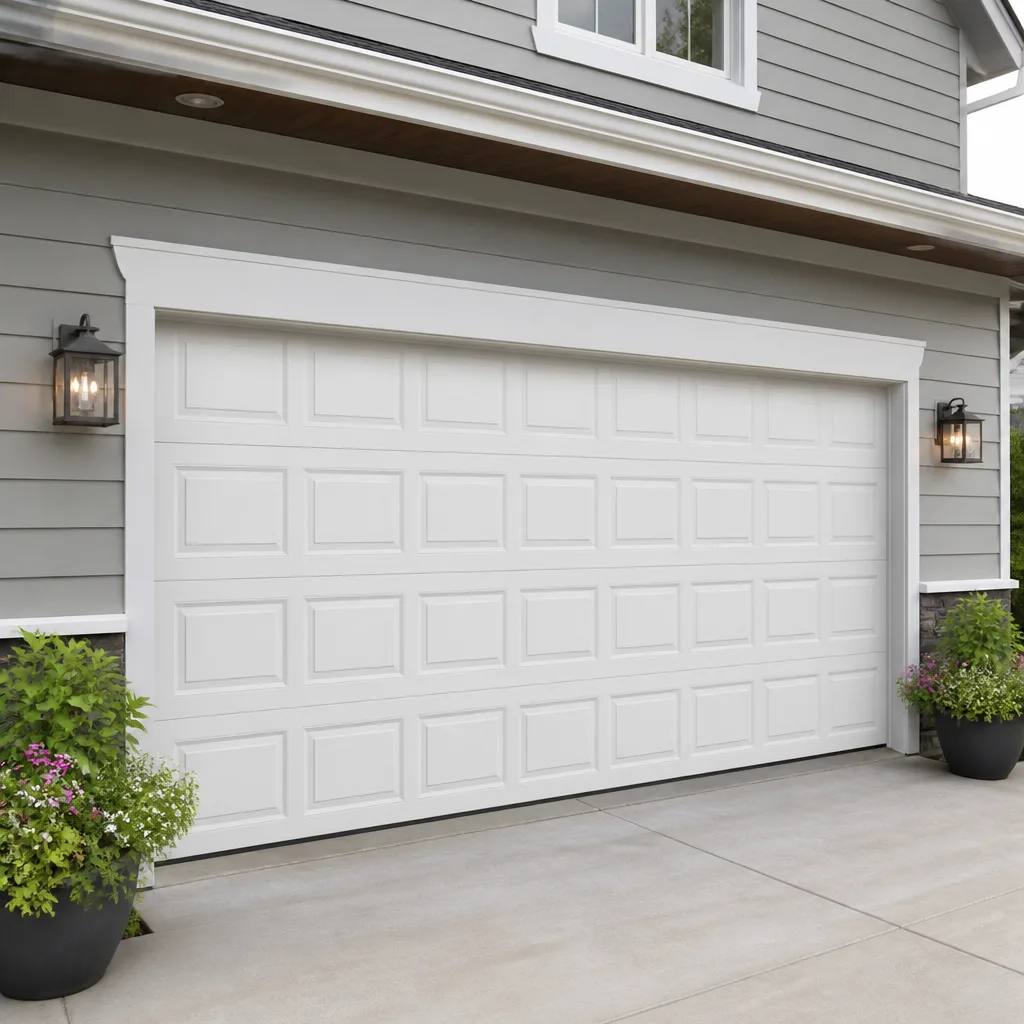 Raised-panel steel
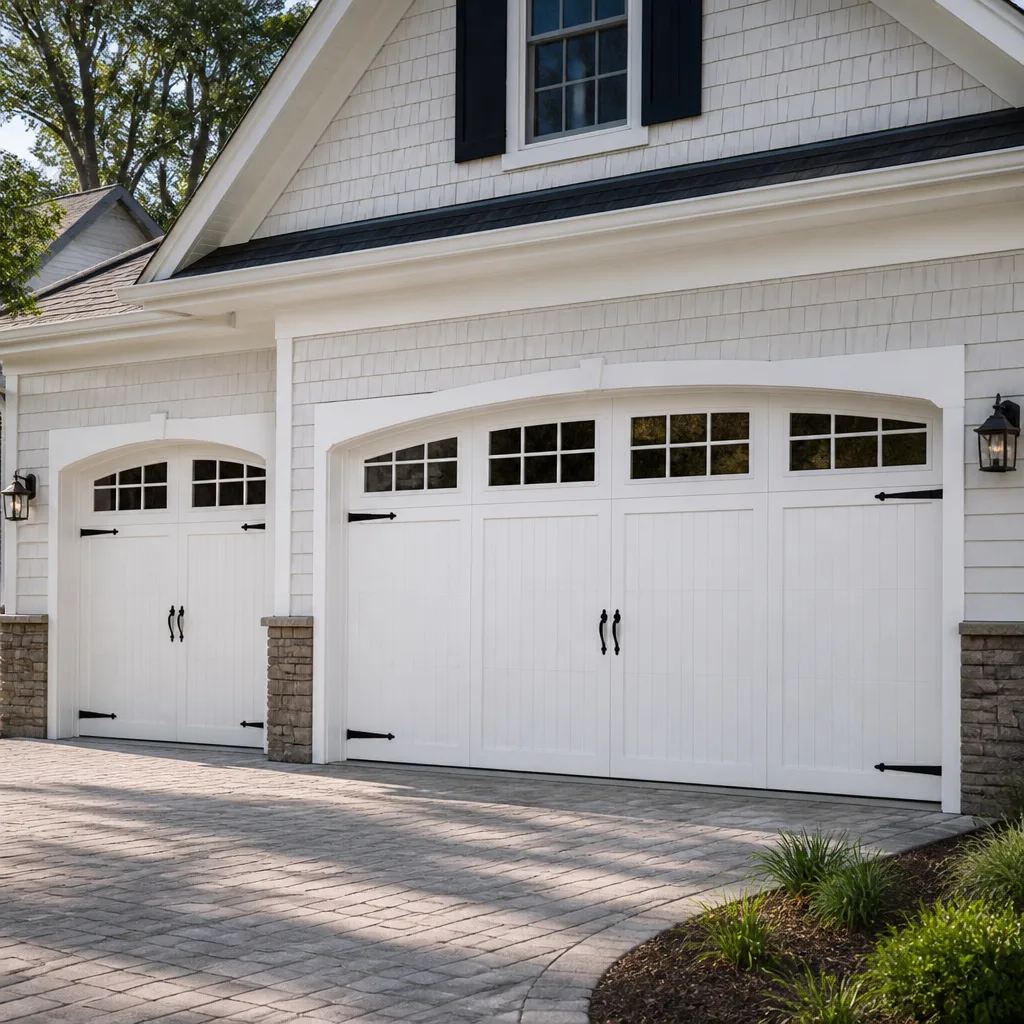 Carriage house
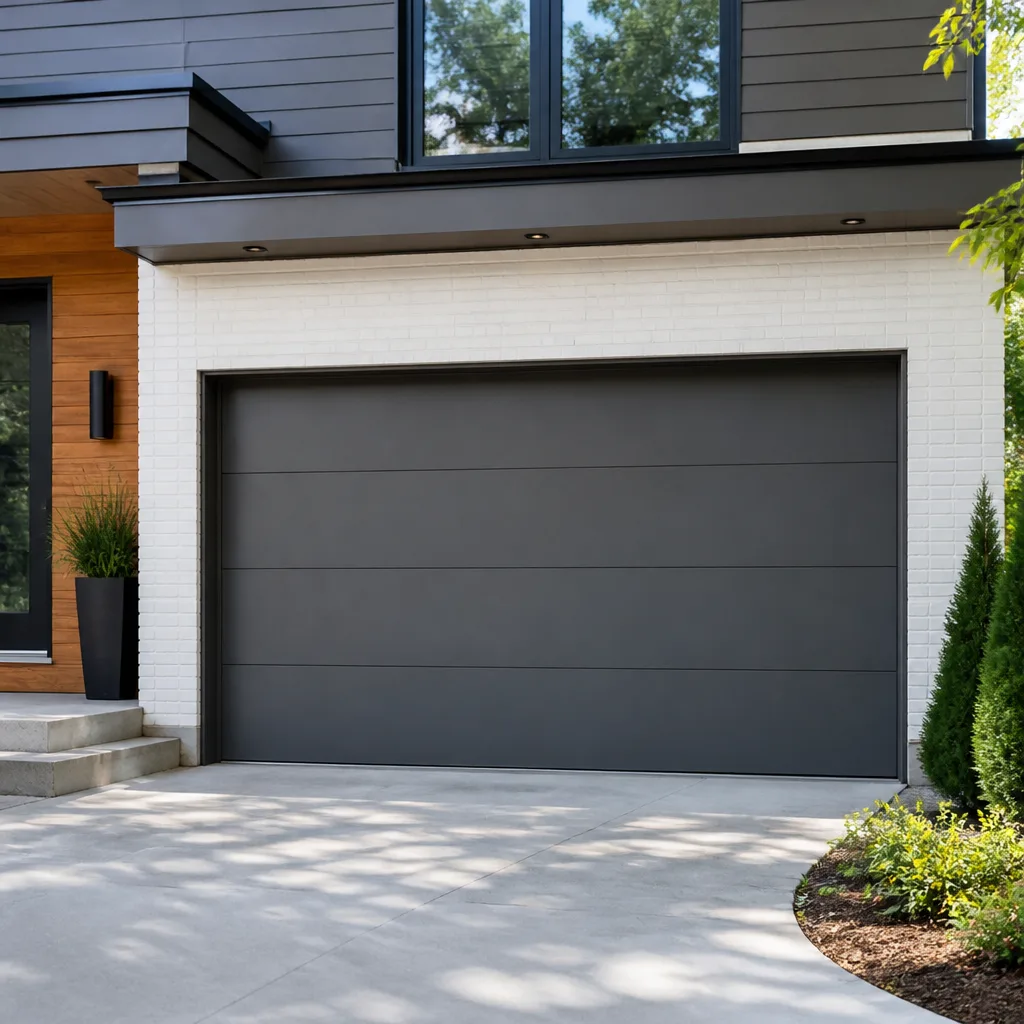 Modern flush
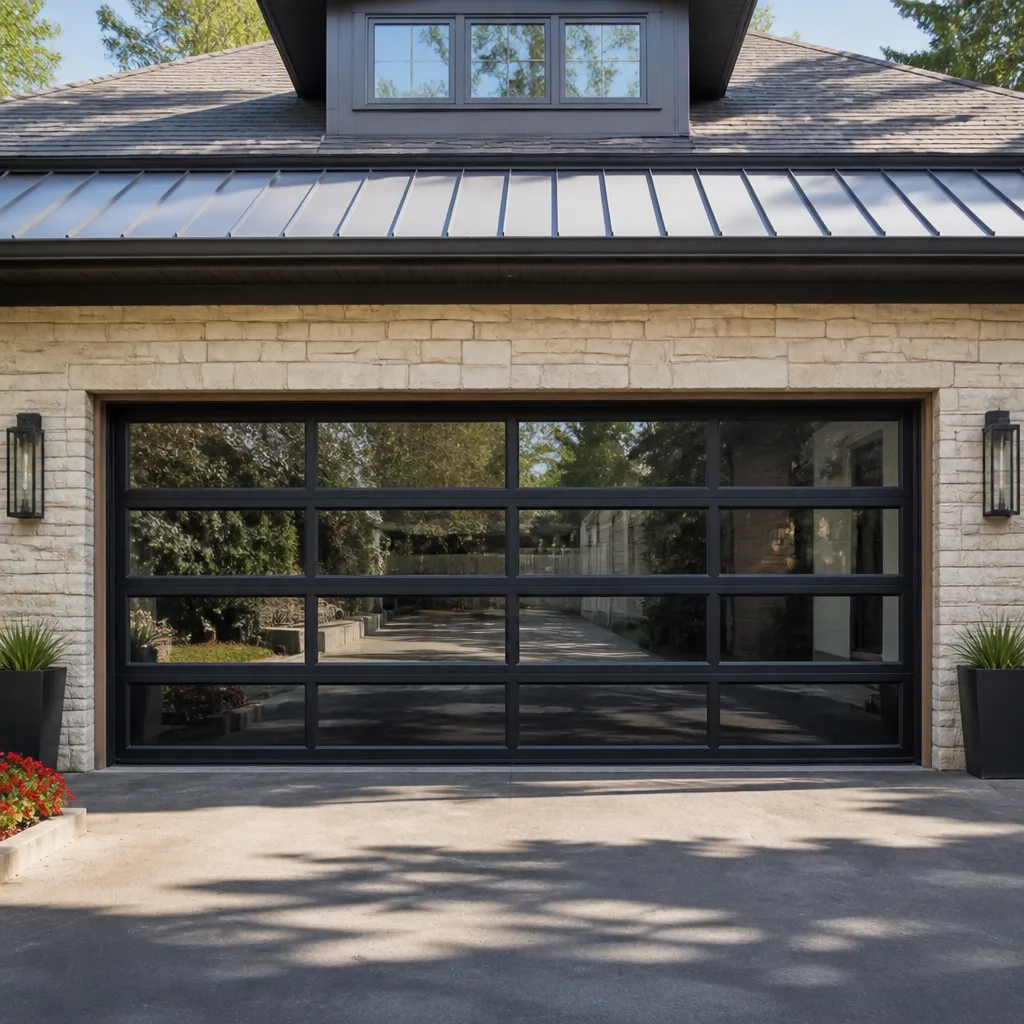 Full-view glass
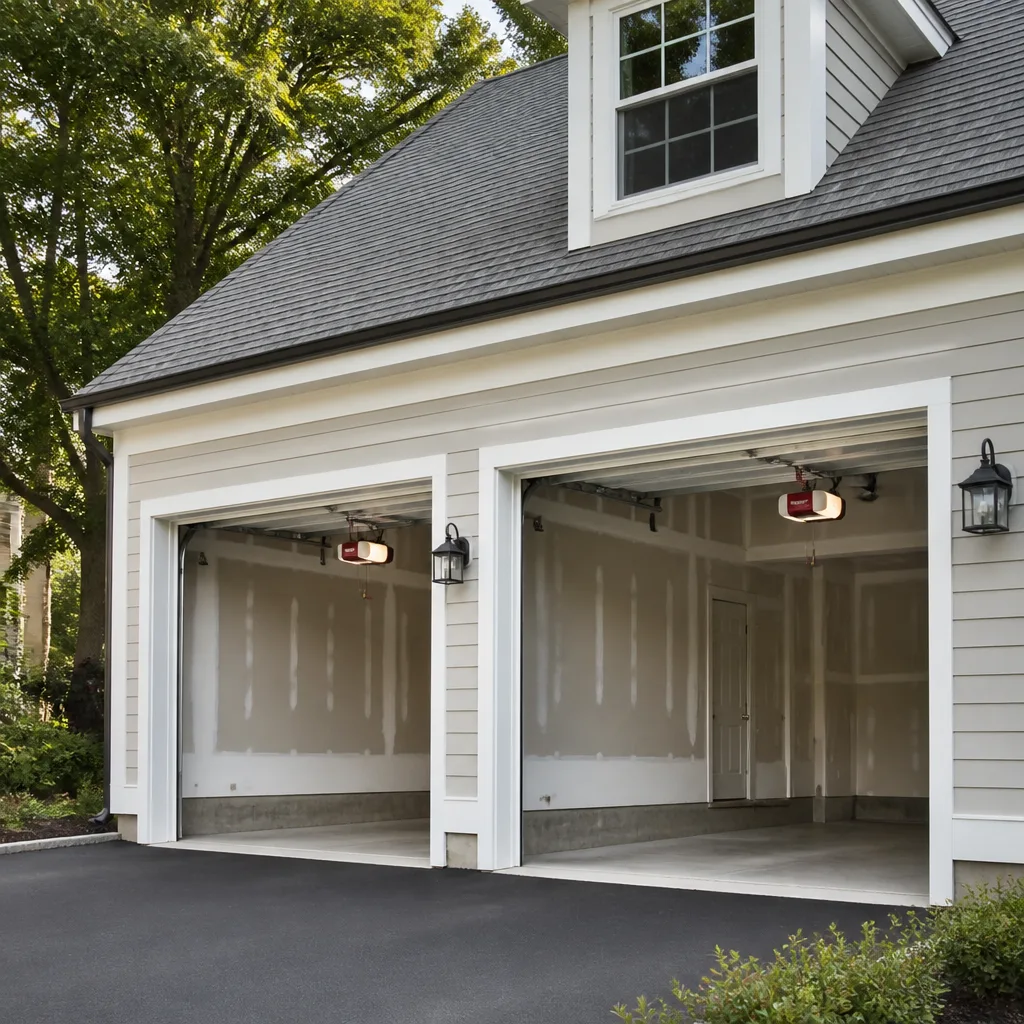 LiftMaster openers
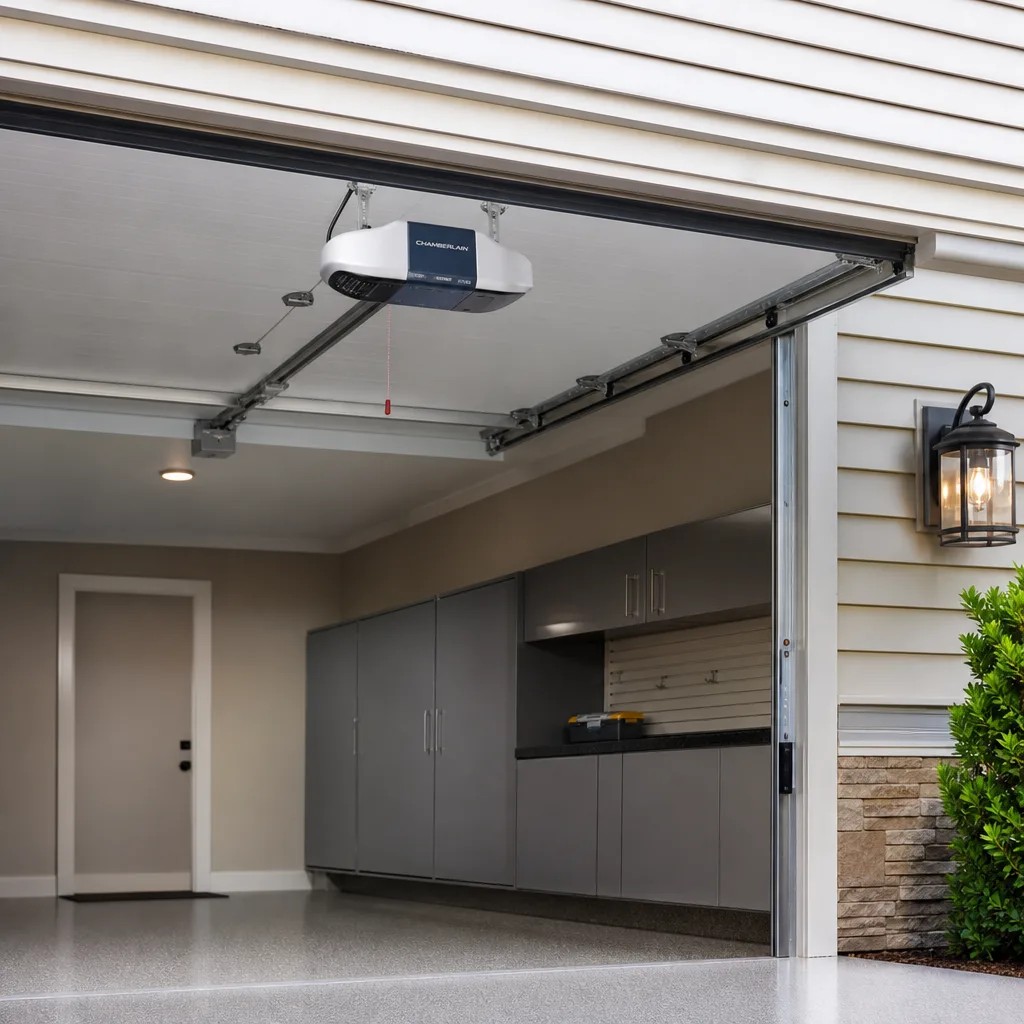 Chamberlain openers
Full 25-point door and opener safety check with every visit - springs, cables, rollers, tracks, and your LiftMaster or Chamberlain opener included
You get a price before we start. It does not change when the truck arrives.
Get your free estimateSeasonal Garage Door Care for Marietta: Year-Round Homeowner’s Guide
Marietta sees roughly 50 days a year where the temperature swings more than 30 degrees between dawn and mid-afternoon. Your garage door feels every one of those swings. The torsion spring above the door, the steel tracks along the walls, the cables and hinges – they all expand and contract on a daily cycle, and over the course of a year that repeated flexing is the reason so many Marietta service calls cluster in February and late August. This guide is built around the climate we actually live in, not a generic four-season template. You’ll learn what to check each season, what takes five minutes versus what needs a trained technician, and how to catch small problems before they become a door that won’t open at 7 a.m. on a workday.
Styles & brands we work with
Quick Answer
Seasonal garage door care in Marietta means two inspection-heavy seasons (spring and fall) and two watch-and-respond seasons (summer and winter). The most valuable tasks are testing the auto-reverse force setting every season, lubricating the door before winter, and scheduling spring replacement before Marietta’s summer heat accelerates metal fatigue. Most homeowners spend less than an hour a year on these checks, and the ones who do it tend to avoid the emergency repair calls that cluster in February and August.
Table of Contents
- Why Marietta’s Climate Punishes Garage Doors Differently
- Spring Garage Door Care in Marietta (March – April)
- Summer Garage Door Care in Marietta (May – September)
- Fall Garage Door Care in Marietta (October – November)
- Winter Garage Door Care in Marietta (December – February)
- The One Task Everyone Skips: Testing Auto-Reverse
- Common Mistakes to Avoid
- When to Call a Professional
- Frequently Asked Questions
- The Bottom Line
Why Marietta’s Climate Punishes Garage Doors Differently
Garage door advice written for the national market usually assumes one of two climates: brutal northern winters with snow and road salt, or dry southwestern heat. Marietta has neither. What we have is a humid subtropical climate where summer feels like a sauna, winter delivers a handful of nights in the low 20s, and spring and fall oscillate wildly between comfortable and freezing within the same week. That mismatch matters because garage doors respond to moisture and temperature in specific, predictable ways.
The biggest threat in Marietta is not any single weather event. It’s the cumulative effect of humidity on metal components and the repeated expansion-contraction cycle of rapid temperature swings. A torsion spring – the heavy coil mounted above the door that handles most of the lifting weight – is rated for a certain number of open-close cycles. But that rating assumes fairly stable operating conditions. When the spring temperature fluctuates 30 degrees in a day, the metal fatigues faster than the cycle count would suggest. We’ve replaced springs in Marietta at the four-year mark that would have lasted seven or eight years in a more stable climate.
Humidity is the second factor. Marietta’s average relative humidity runs above 70% for most of the year. That accelerates rust on hinges, rollers, and the spring itself, even though we rarely see snow. It also causes wood doors to swell, composite panels to delaminate at the edges, and weather stripping to degrade faster than the national average. If you’re maintaining a garage door in this climate, your schedule needs to reflect those two forces: temperature swing fatigue and moisture damage.
Spring Garage Door Care in Marietta (March – April)
Spring is the most important maintenance window of the year in Marietta, and it has nothing to do with “spring cleaning.” It’s the optimal time to replace aging springs before summer heat arrives. Here’s why: metal fatigue accelerates with heat. A spring that’s nearing the end of its rated cycle count may hold through March but snap in July, when the ambient temperature adds stress and the door is in daily use. If your springs are four to seven years old, spring is the season to have them evaluated.
Spring is also the time to inspect weather stripping thoroughly. The rubber seal along the bottom of the door and the weather strip around the frame take a beating in winter. Cold snaps make rubber brittle; then the first warm, humid days cause it to swell. That cycle leaves cracks, gaps, and sometimes small tears where moist air enters the garage. In Marietta, a failed bottom seal is not just an energy issue – it’s an invitation for spring insects, humidity-driven mold on stored items, and higher cooling costs if your garage is attached to the house.
The third spring task is a basic visual inspection of the hardware. Run through this five-minute check:
- Close the door and look at the track alignment from inside. Both vertical tracks should be plumb, and the horizontal track should run level.
- Check all hinge bolts and track brackets for signs of movement. Loose bolts show up as oval-shaped wear marks or rust streaks.
- Look at the torsion spring above the door. If you see a visible gap in one of the coils, the spring has broken or is about to. A one-inch gap means the spring snapped; a hairline separation means it’s cracking.
- Check the cables on each side. If they’re frayed or the door is sitting slightly crooked when closed, the cables are wearing unevenly.
- Run the door up and down twice, listening for grinding, scraping, or a jerky movement. Each of those sounds points to a different issue: grinding suggests roller wear, scraping suggests track misalignment, jerking suggests spring imbalance.
If the springs are four or more years old and you live in East Cobb, Powder Springs Road, or near the Marietta Square, the summer humidity will only accelerate whatever wear is already there. Replacing springs in March or April at $150 to $280 for a typical torsion-spring replacement, parts and labor included, is cheaper and far less inconvenient than a July failure when the door won’t open at all. If you’re not sure whether your springs are wearing out, a Garage Door Spring Repair in Marietta technician can measure the spring tension and give you a straight answer.
Summer Garage Door Care in Marietta (May – September)
Summer in Marietta is the season when small problems become visible quickly, mostly because the garage door is in constant use. Kids are in and out, tools move from garage to yard and back, and the door cycles ten to fifteen times a day instead of four or five. That’s also the season when humidity and sun angle create two specific failure patterns most national guides never mention.
The first is photo-eye failure. Every automatic opener has a photo-eye safety system – two small sensors mounted about six inches off the ground on each side of the door opening. They project an invisible beam across the door path. If anything interrupts that beam while the door is closing, the door stops and reverses. In summer, two things happen in Marietta. The low sun angle in the early morning and late evening can hit the sensor directly and blind it, causing the door to reverse for no visible reason. And condensation builds on the sensor lens in humid weather, especially in garages that stay closed during the day. Dust and pollen then stick to that condensation, gradually coating the lens until the beam is too weak to register. If your door starts pausing or reversing with no obstruction, wipe both sensor lenses with a dry cloth and check the alignment. That fixes the majority of summer photo-eye failures.
The second summer issue is panel behavior, and it depends on what your door is made of. Steel panels – the most common choice in Cobb County – expand in heat. A 16-foot-wide door can grow by a quarter inch or more between morning and afternoon. That’s usually absorbed by the panel joints, but if the door was installed tight or the hinges are worn, you’ll hear popping or see the door hesitate at the joints. Wood composite panels absorb humidity in a different way: the lower panel wicks moisture from the concrete floor and from the air, then swells. We see more delaminated bottom panels on wood and composite doors in Marietta in August than at any other time of year. If you have a wood door, check the bottom panel edges for soft spots or bubbling paint after a few weeks of wet weather.
Summer is also the season to check the balance of the door while it’s warm. Pull the opener release handle – the red or orange cord hanging from the trolley – and manually lift the door to waist height. A properly balanced door will stay put or move very slowly. If it drops, the springs are losing tension. If it shoots up, the springs are over-tensioned. Either condition forces the opener motor to work harder, and that heatload in a Marietta summer garage shortens the opener’s lifespan. If your door fails that test, a professional should adjust it. Most Garage Door Repair in Marietta calls we get in July and August trace back to a balance problem that was ignored in May.
Fall Garage Door Care in Marietta (October – November)
Fall is the season for one task more than any other: lubrication. It’s also the season to prepare the door for the brief but jarring cold snaps that arrive in December and January. The first hard freeze after a wet fall is when we see garage doors refuse to open or make a loud grinding sound on the first cycle of the morning. A little preparation in October or November prevents most of that.
The garage door has several points that need different lubricants. Here’s the exact list, with the products that work for Georgia’s mild-but-not-zero winters:
- The torsion spring: Use a white lithium grease spray or a dedicated garage door spring lubricant. Spray the entire length of the spring. The spring coils compress and release with every cycle, and lubricant keeps the coils moving smoothly against each other.
- The rollers: If the rollers have exposed metal bearings, use the same white lithium or roller-specific spray. If the rollers are sealed nylon, skip them entirely – oil will just attract dust.
- The hinges: Each hinge has a pivot point where the door sections flex. Spray the pivot while the door is moving slowly.
- The track: Do not lubricate the track. The rollers ride on the track surface, and a greasy track just collects Marietta pollen and dust. Clean the tracks with a dry rag instead. The only exception is a tiny dab on the curved section where the roller changes direction, and that’s only necessary if the door is noticeably noisy at that point.
- The opener chain or screw: If you have a chain-drive opener, apply a light coat of chain lubricant. If you have a screw-drive opener, use the opener manufacturer’s specified grease, usually sold in a small tube.
You’ll also want to check the bottom seal for flexibility. New rubber is pliable and springs back when you press it with your thumbnail. Old rubber feels stiff, and if you bend it, it cracks. Once that seal hardens, cold air, leaves, and the occasional fall snake find their way into the garage. Replacing it in October is cheaper and drier than doing it in January, when the garage door is frozen shut and the seal has to be handled with cold hands.
This is also the season to check the opener’s force setting – which we’ll cover in detail below, because it’s the task people skip in every season, not just fall.
Winter Garage Door Care in Marietta (December – February)
Winter in Marietta is short, but it delivers a handful of nights cold enough to change how garage doors behave. When the temperature drops into the low 20s or teens, several things happen: steel panels contract, grease thickens, and the torsion spring becomes slightly stiffer and more brittle. Combine that with the stress of repeated expansion and contraction from the fall, and winter is the season when springs snap.
A torsion spring breaking in cold weather is a distinct failure scenario, and it’s worth understanding what that means. The spring is under enormous tension even when the door is closed. When it snaps, it releases that energy violently – you’ll hear a sound like a gunshot or a car backfiring in the garage. The door then has no counterbalance. If the opener is still engaged, it may lift the door partway and then stop, or it may refuse to move at all. If you try to operate the door manually after the spring breaks, the full weight of the door – anywhere from 120 to 300 pounds depending on the door size and material – is now unprotected by the counterbalance system. Forcing the door up by hand after a spring break is dangerous for two reasons: you’re fighting the full weight of the door, which can come down on you, and you’re also stressing the cable drums and cables, which are not designed to carry the full door weight through the pulleys. That forced movement can cause the cables to slip, snap, or wrap incorrectly around the drum, turning a simple spring replacement into a cable-drum repair as well.
The right response when a spring breaks – especially on a cold Marietta morning – is to leave the door closed. Don’t force it. A Garage Door Spring Repair in Marietta technician can replace the spring on-site, and most torsion-spring replacements run $150 to $280, parts and labor included. That’s the honest price range in the Marietta market. Trying to open the door yourself after the spring breaks risks turning a two-hundred-dollar repair into a five-hundred-dollar one, plus a free lesson in why trained professionals respect that spring tension.
Beyond spring failures, winter is the season to watch for door movement issues on the first cold cycle of the day. Grease thickens in low temperatures, and the door may open more slowly for the first cycle or two. That’s normal. If the door refuses to open entirely, the usual culprits are a frozen bottom seal stuck to the concrete, an opener limit switch that has drifted, or a broken spring. In all three cases, repeated tries to force the door to move just compounds whatever is wrong. One diagnostic step that’s safe for a homeowner: pull the opener release handle and try to lift the door manually. If it lifts smoothly with one hand, the door itself is fine and the problem is in the opener. If it won’t lift or feels impossibly heavy, the spring or cables have failed, and you should stop touching it.
If you’re planning ahead rather than reacting to an emergency, a new Garage Door Installation in Marietta with modern insulation can reduce the winter garage temperature swing enough to extend the life of everything else in the room – springs included.
The One Task Everyone Skips: Testing Auto-Reverse
Every garage door opener sold in the United States since 1993 is required by federal law to have an auto-reverse safety mechanism. It works in two ways. First, the photo-eye beam at the bottom of the door detects anything blocking the beam. Second, the opener’s force sensor detects resistance: if the closing door hits something solid, the motor senses the resistance spike and reverses direction. Both mechanisms need to work. But the force sensor drifts over time, and it drifts faster in a climate like Marietta’s, where the springs are aging rapidly and the door’s weight is shifting seasonally.
Here’s the test, which takes about two minutes and should be done at the start of every season:
- Place a roll of paper towels flat on the garage floor, directly under the center of the door path.
- Press the wall button to close the door normally.
- Watch what happens when the door reaches the paper towel roll. The door should reverse immediately upon contact, lifting back to the open position.
- If the door hesitates, continues closing against the roll, or only reverses when the roll is at the very edge of the door bend, the force setting is too high.
- Most openers have an adjustment dial or button on the motor unit labeled “force” or “sensitivity.” You’ll typically find instructions printed on the opener housing – every major brand, including LiftMaster, Chamberlain, Genie, Craftsman, and Raynor, prints the adjustment procedure in the manual or on a label on the unit itself.
- If adjusting the dial doesn’t restore proper reversal, leave the door disconnected and call a technician. A force sensor that won’t calibrate is not something to ignore, because it’s the primary safety device between the door and anything underneath it.
This test matters because the force sensor’s job is to catch the exact situation that causes the most serious garage door injuries: a person, pet, or object in the door’s path when the photo-eye beam is interrupted from a different angle. The photo-eye is mounted six inches off the ground, so it does not see a small child’s torso or a car bumper at a higher point. In our experience, the auto-reverse force setting is the single most-skipped check among Marietta homeowners, and the one we most often find out of adjustment when a customer asks us to look at a door that “closed too hard.” If you do nothing else on this list, do the paper-towel test four times a year.
Common Mistakes to Avoid
- Lubricating the track: The track is not a bearing surface for the rollers – the rollers ride on the inside edge of the track, and a greasy surface just attracts Marietta pollen and dust. You’ll end up with a sticky black paste that causes more friction, not less. Clean the track with a dry rag. Lubricate the spring, hinges, and rollers, not the track.
- Replacing one spring instead of both: Garage doors with two springs – common on 16-foot-wide doors and heavier doors throughout Cobb County – should have both springs replaced at the same time, even if only one is broken. Both springs have the same age and cycle count. If one has failed, the other is usually within months of failing, too. The cost difference is about $75 to $120 for the second spring, and it means you’re not paying a second service call in three months.
- Ignoring a door that’s slightly crooked when closed: A door that sits a half-inch lower on one side usually means a cable is wearing or a spring is losing tension on that side. Left alone, the imbalance accelerates wear on every other component and eventually takes out the opener motor.
- Painting over the weather stripping: The bottom seal and side weather strips are made of rubber or vinyl, and exterior paint makes them stiff and brittle. If you’re painting the garage door in the spring, either remove the weather stripping first or accept that you’ll be replacing it within a year.
- Relying on the opener to “tell” you something’s wrong: Most modern openers have force sensors that will stop the door if it’s binding too hard, but that warning comes after the problem has developed. By the time the opener refuses to operate, the spring or track problem that caused the binding has already had weeks to compound.
- Testing the emergency release only when there’s an emergency: The red cord hanging from the opener trolley should be pulled once a season to confirm the release mechanism actually disengages. If it’s never been tested and a storm knocks out power, the cord may break or the mechanism may stick – and you’ll be stranded inside a garage with no power and a stuck door.
- Forcing the door open after a spring break: We covered this above, but it bears repeating because it’s the most dangerous mistake on this list. If the spring snaps, leave the door down and call a professional. Forcing it strains the cables and cable drums and puts you in the path of an un-counterbalanced door.
When to Call a Professional
Some garage door tasks are safe and reasonable for a homeowner: wiping down tracks, lubricating hinges, testing the auto-reverse, checking the photo-eyes. Others are not. If the torsion spring is broken or shows signs of cracking, leave it alone – the spring under tension contains enough stored energy to cause serious injury if it releases while you’re close to it. The same goes for cable replacement, which requires taking tension off the spring system first. If the door is off its track, the panel is damaged, or the opener motor is making a burning smell, stop operating it and call a licensed garage door technician. Bramwell Garage Doors Marietta offers free estimates in Marietta – call (912) 520-4208. Our technicians arrive in uniform, present a written price before any work begins, and leave the job site clean. Every repair is protected by the 365-Day Done Right Promise: if it fails within a year, we come back and fix it at no charge. That commitment is in writing, on every job.
Frequently Asked Questions
Most torsion-spring replacements in Marietta run $150 to $280, parts and labor included, for a standard single-door spring. Two-spring doors run $240 to $380. The exact price depends on the door weight, spring size, and whether you’re replacing one or both springs. Every Bramwell Garage Doors Marietta job includes a written price before any work starts, so the number you hear is the number you pay. Call (912) 520-4208 for a free estimate.
Every six months, with the spring-season lubrication being the more important of the two in Marietta’s climate. The humidity accelerates rust and dust accumulation, and the summer heat accelerates spring fatigue. A fall lubrication in October or November prepares the door for winter cold snaps; a spring lubrication in March or April refreshes the components before summer’s constant use.
In Marietta, summer photo-eye failures are usually caused by a combination of low sun angle and condensation on the sensor lens. The early morning and late evening sun can shine directly into the sensor and blind it, which the system interprets as an obstruction. High humidity also creates a film of moisture on the lens, and pollen and dust stick to it. Wipe both sensor lenses with a dry cloth first. If the problem persists, the sensor may be misaligned or failing.
We strongly recommend against it. Torsion springs are under several hundred pounds of tension, and a slip while winding or adjusting one can cause serious injury. The winding bars, spring cones, and mounting hardware are specifically designed for the torque involved, and the procedure requires knowing the correct number of winding turns for that specific spring and door weight. A professional spring replacement in Marietta is a same-day job in most cases, and the cost is modest compared to the risk of doing it wrong.
Most standard torsion springs are rated for 10,000 cycles, which typically works out to seven to ten years in a mild climate. In Marietta, we tend to see four to seven years, because the daily temperature swings and high humidity accelerate metal fatigue. If your springs are over five years old and the door is your primary entry and exit point, have a technician evaluate the spring tension before summer heat sets in.
No. At Bramwell Garage Doors Marietta, the written price is prepared before any work begins, and it includes both parts and labor for the specified repair. If the technician finds an additional issue, you’ll see a separate written price for that before that work starts, too. The number on the invoice matches the number you approved. That’s the Kingswell standard, and it applies on every job without exception. Call (912) 520-4208 for a free estimate.
The Bottom Line
Marietta’s climate is hard on garage doors, but it’s predictable. The temperature swings wear down springs faster than the national average, the humidity eats at weather stripping and wood panels, and the summer photo-eye failures are a seasonal pattern, not a mystery. The homeowners who avoid emergency repairs are the ones who spend an hour a season doing the basic checks: testing the auto-reverse, lubricating the spring in October, inspecting the weather stripping in March, and respecting the tension in the torsion spring system. If you find something outside your comfort zone, Bramwell Garage Doors Marietta is here to help – a live person answers the phone 24/7, and every estimate is free. Call (912) 520-4208. For more on the full range of what we do, start at the Bramwell Garage Doors Marietta home page, and if you’re already dealing with a broken door, head to Garage Door Repair in Marietta to see how we handle it.
Written by Marcus Ellery, Owner at Bramwell Garage Doors Marietta, serving Marietta since 2001.
See the difference
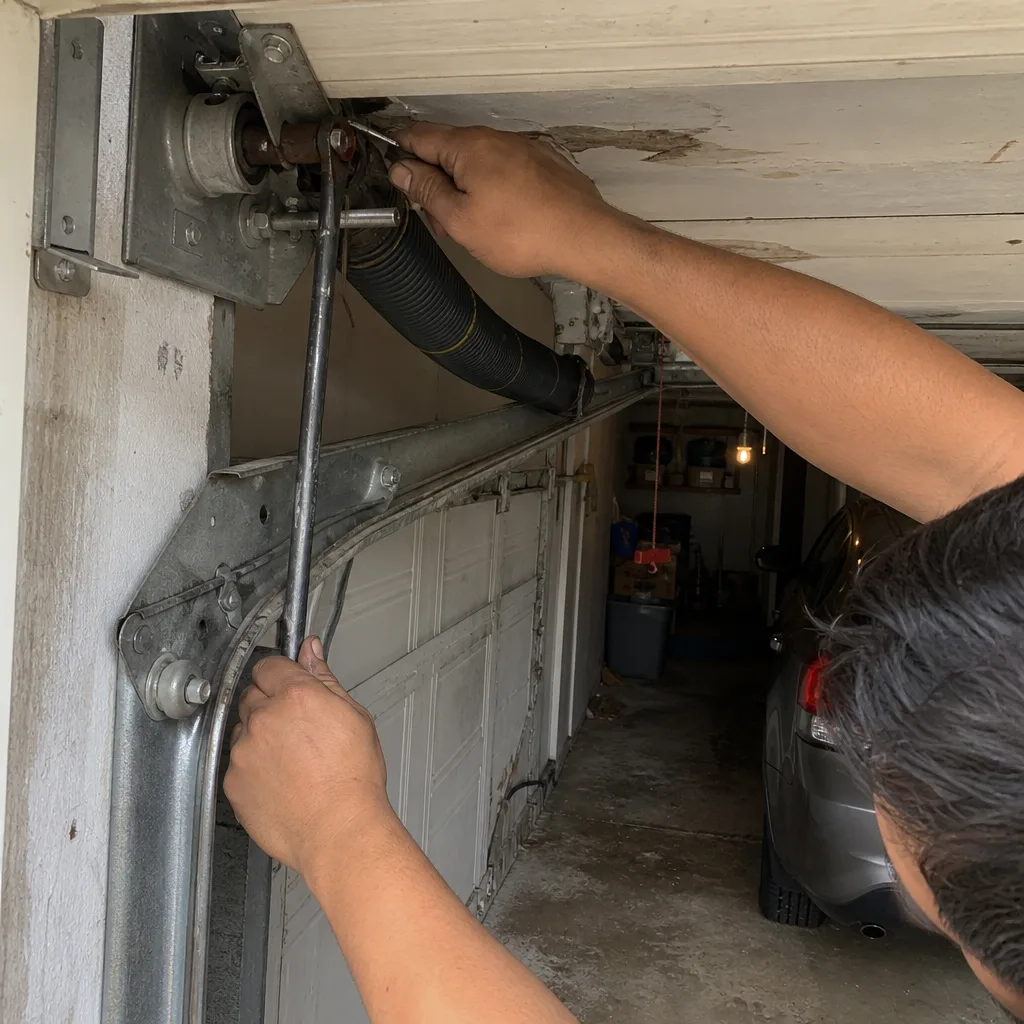 Before
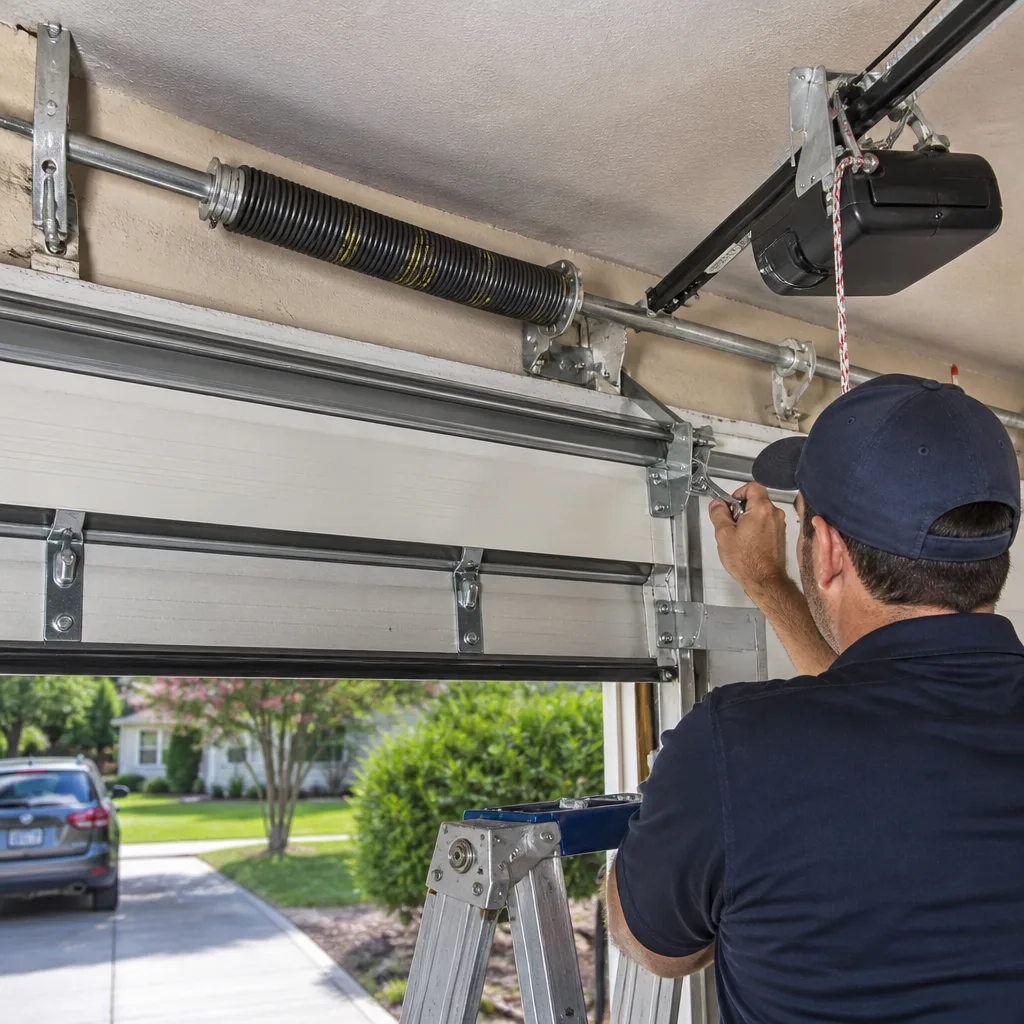 After
After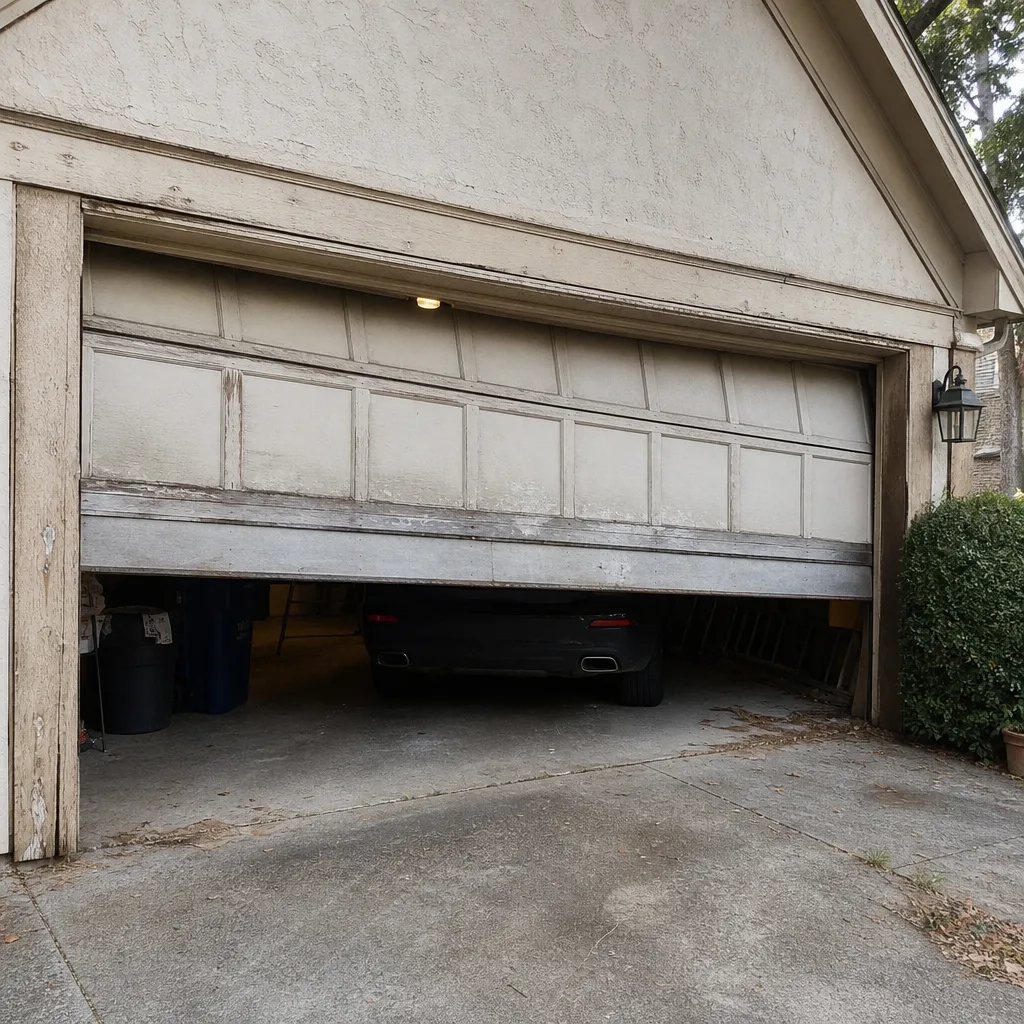 Before
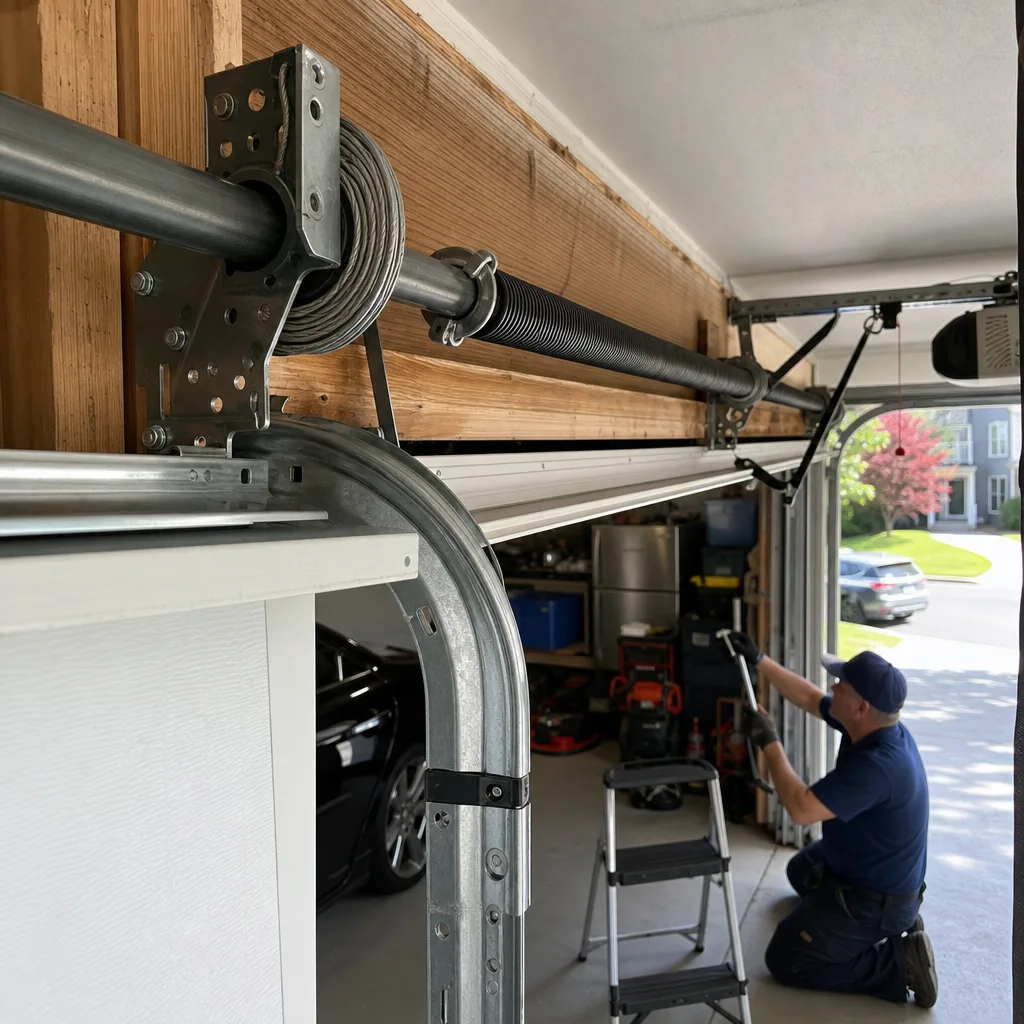 After
After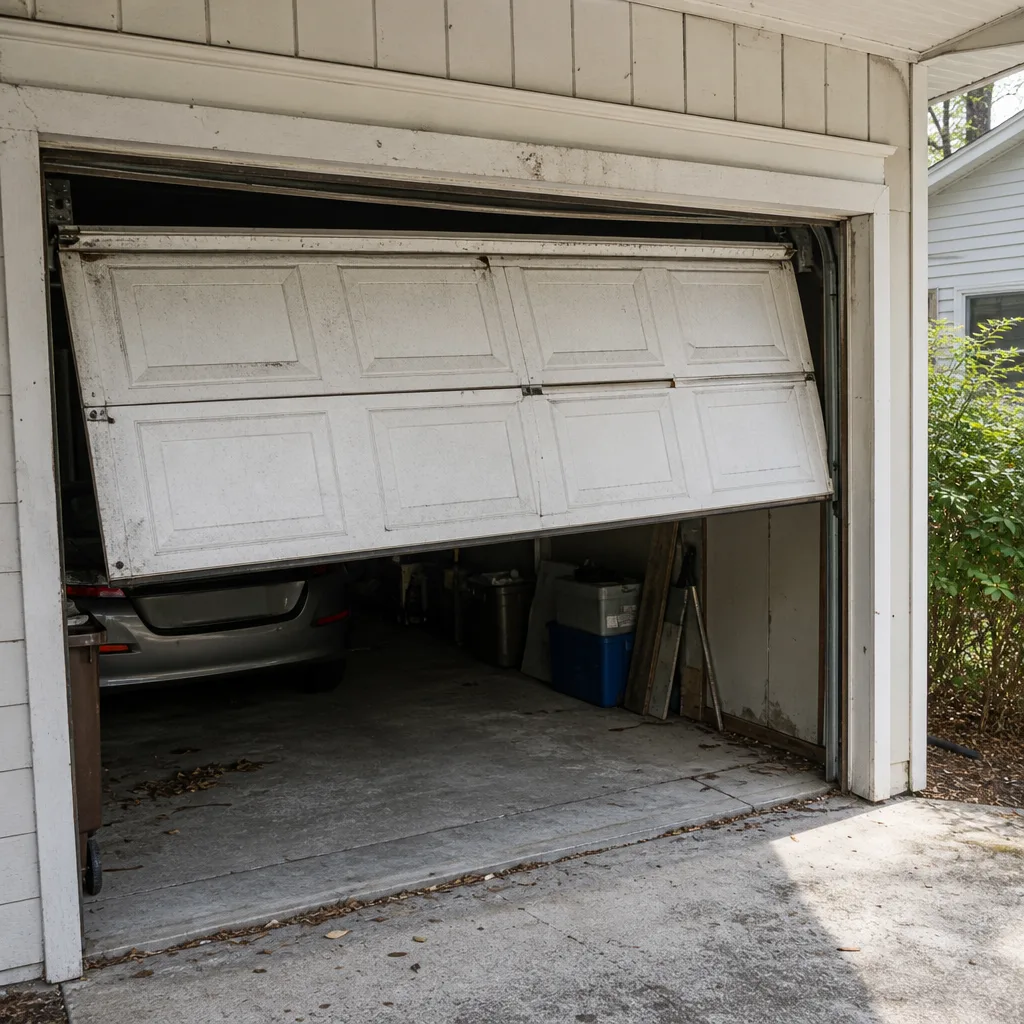 Before
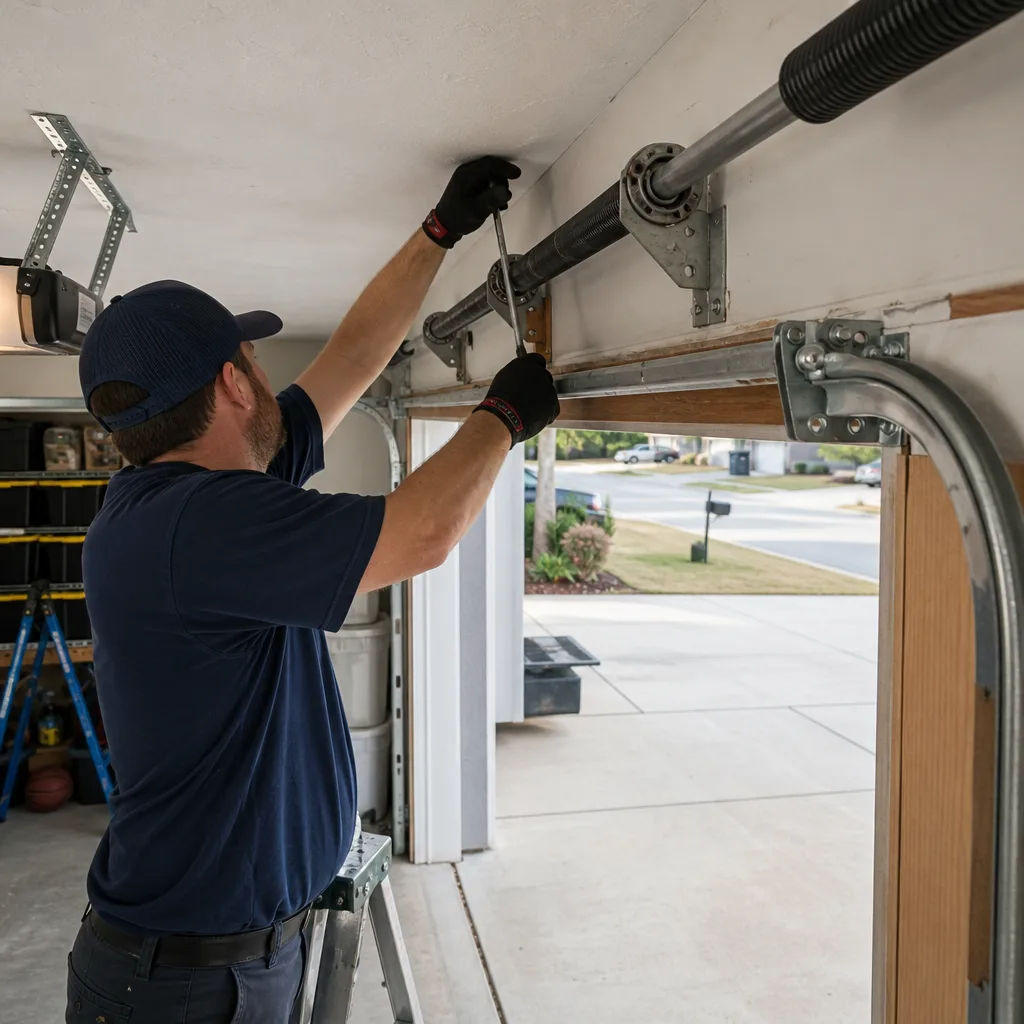 After
After