
Last updated October 16, 2026
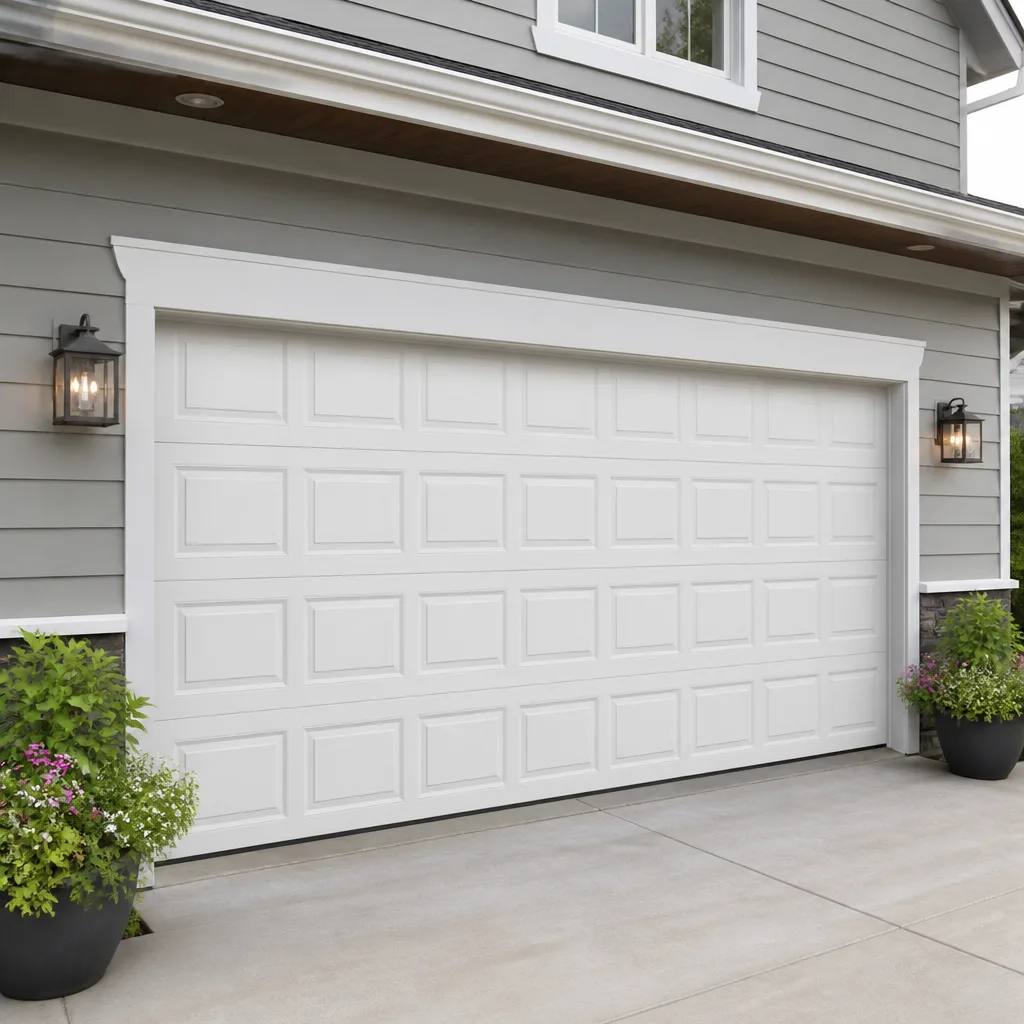 Raised-panel steel
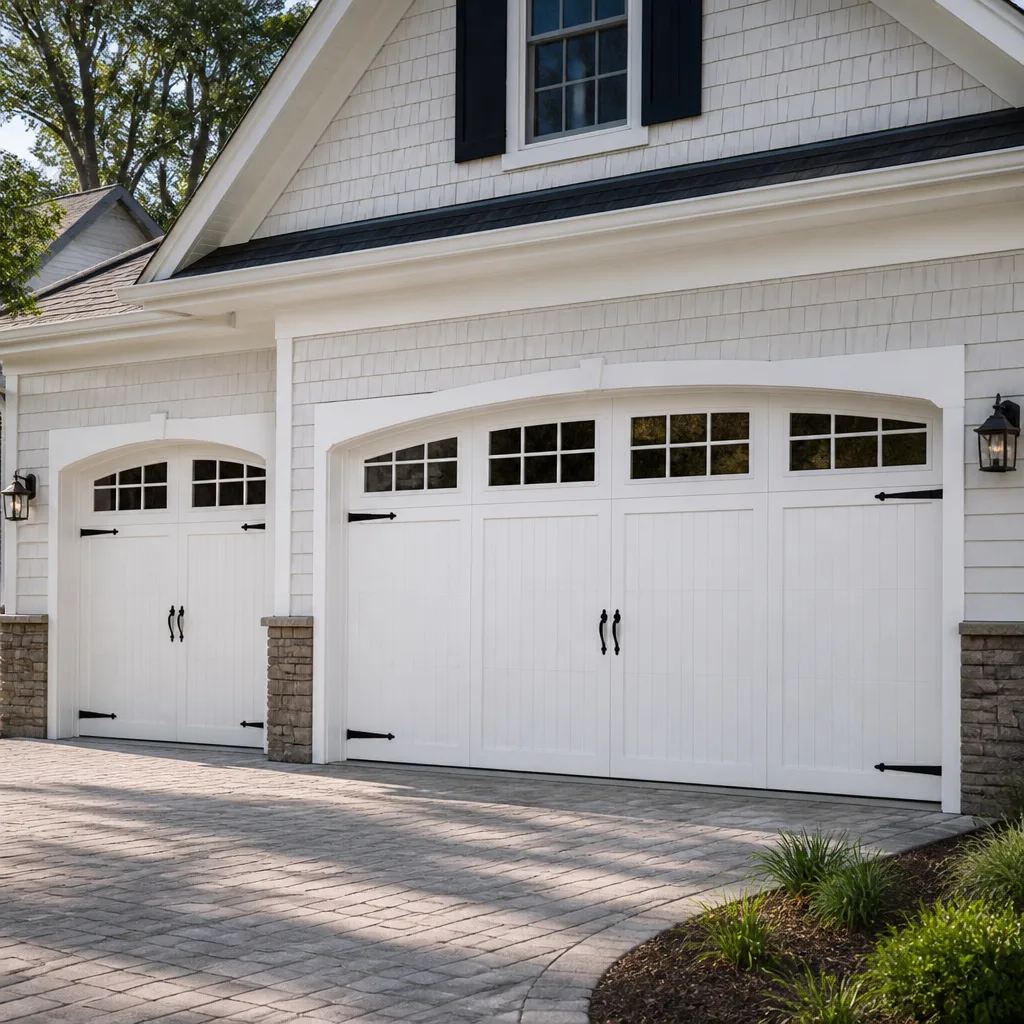 Carriage house
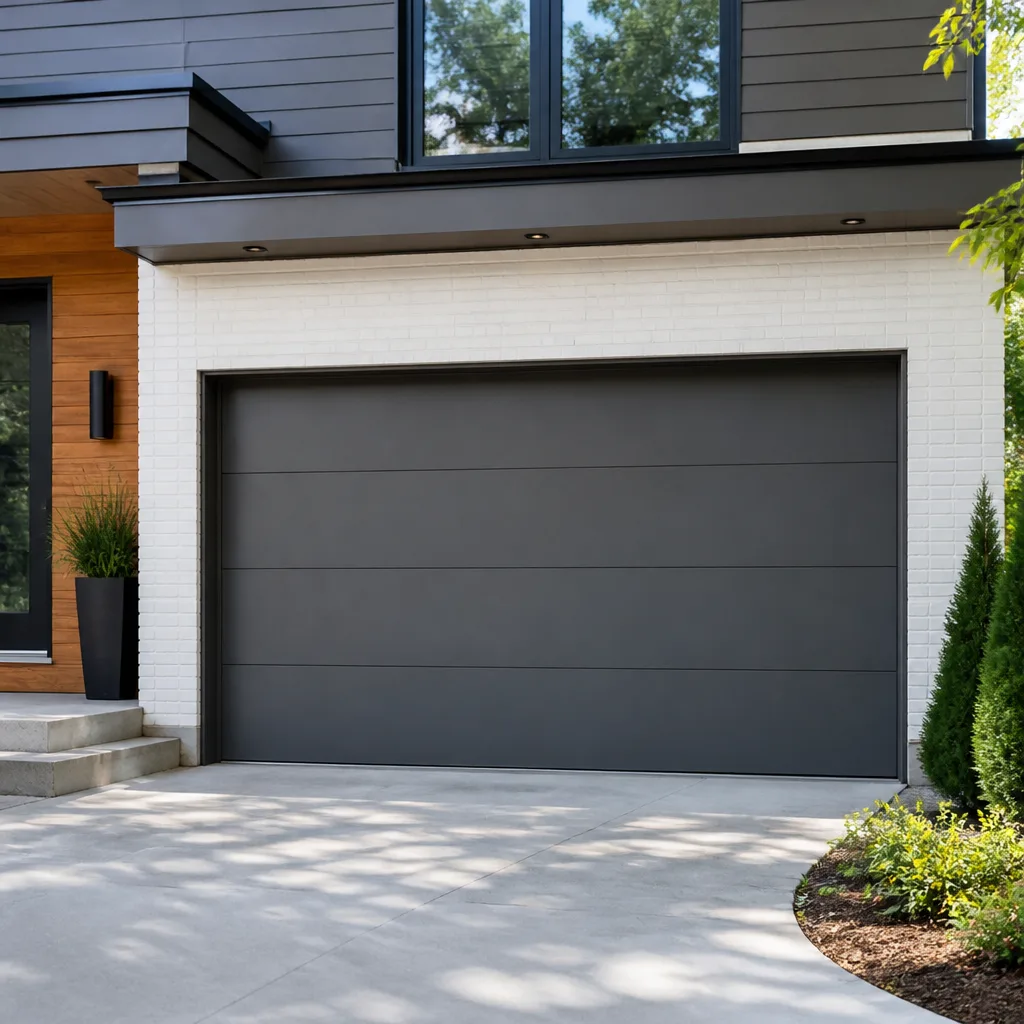 Modern flush
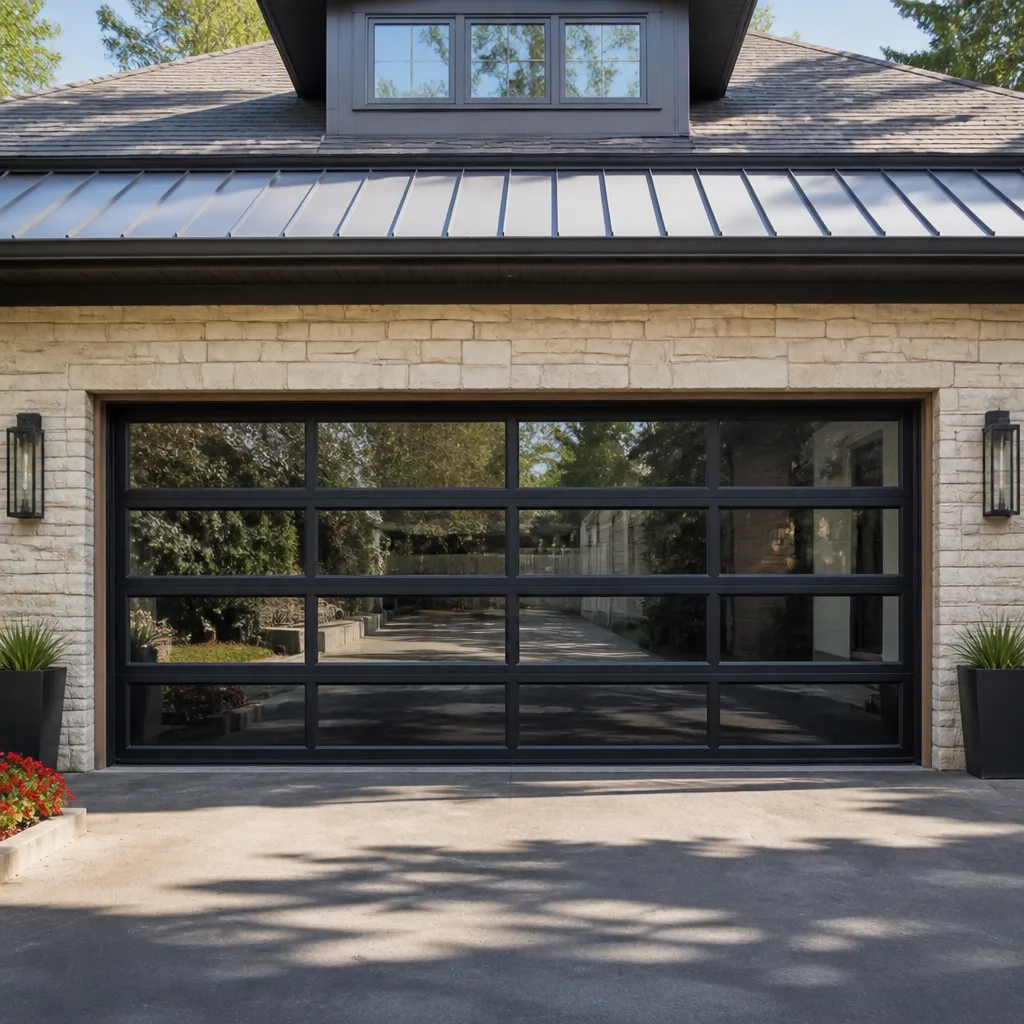 Full-view glass
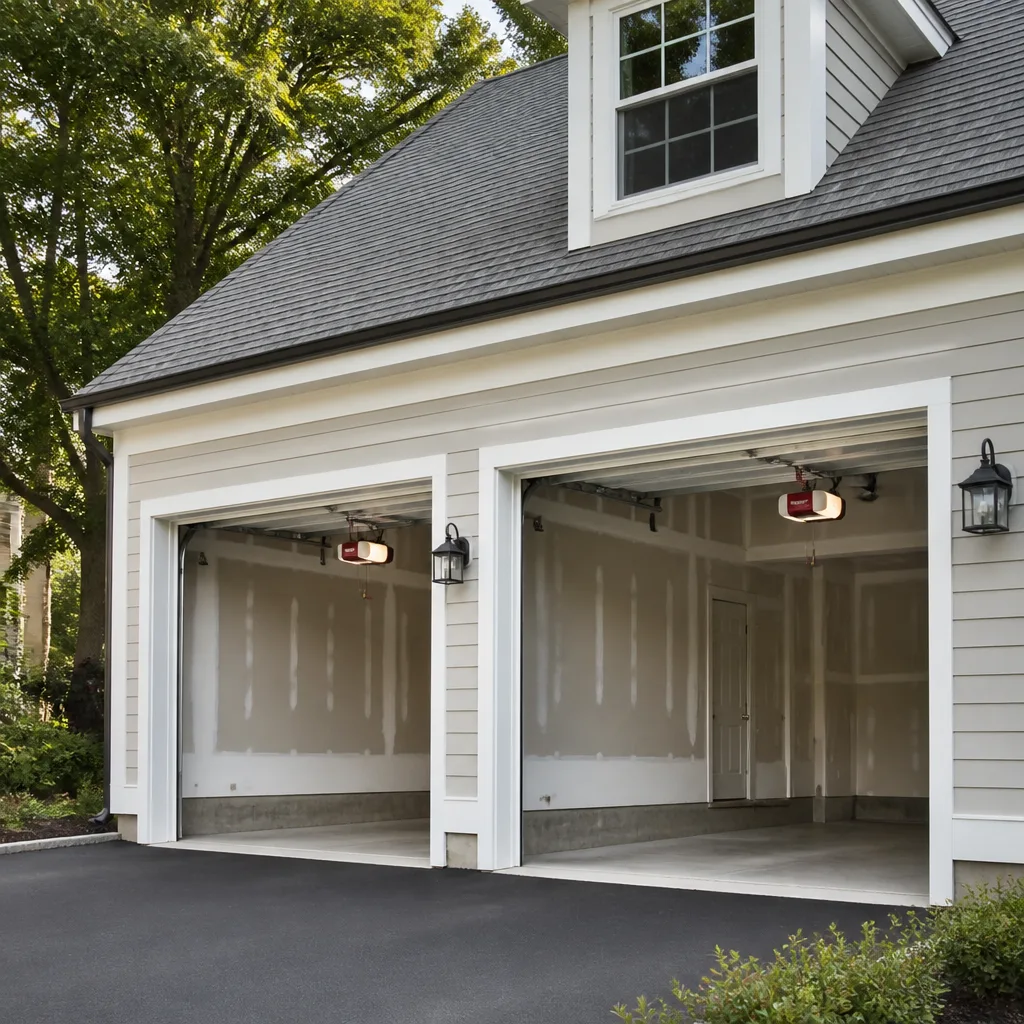 LiftMaster openers
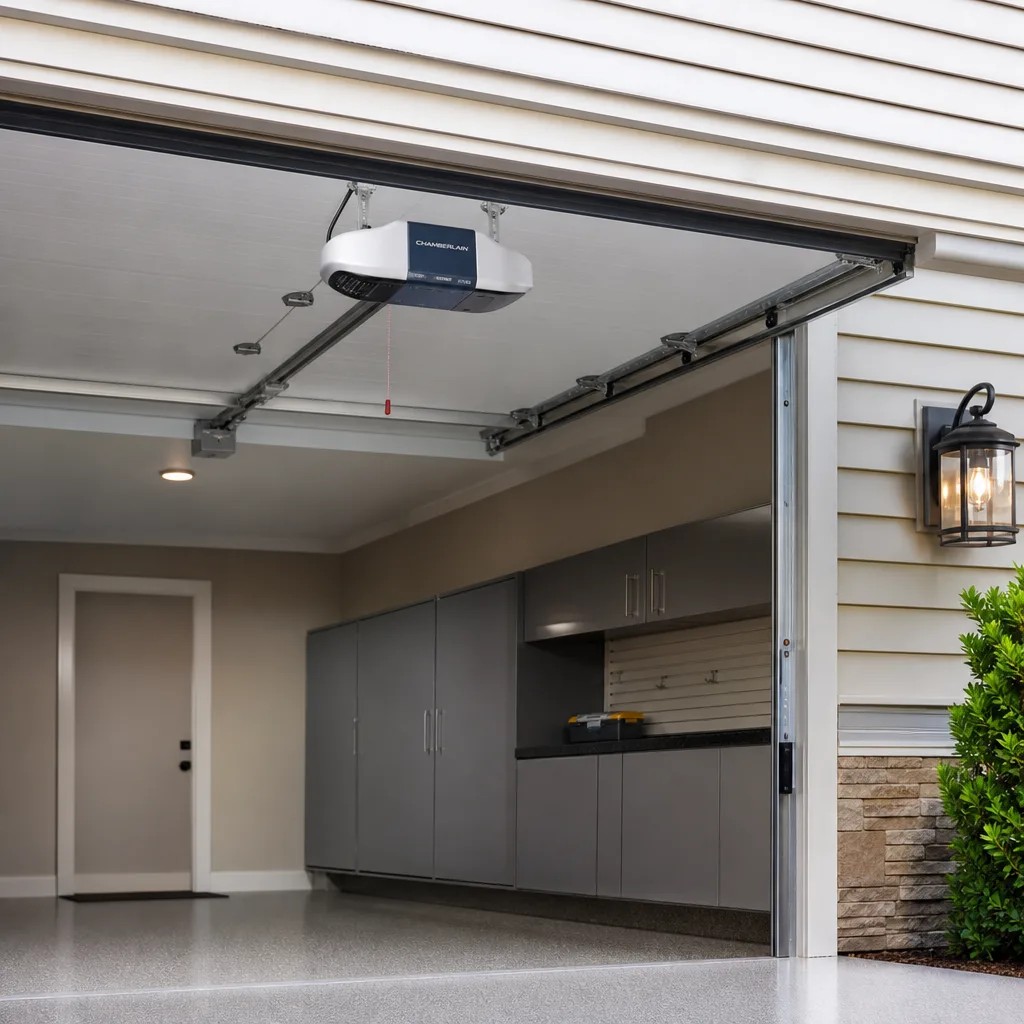 Chamberlain openers
Full 25-point door and opener safety check with every visit - springs, cables, rollers, tracks, and your LiftMaster or Chamberlain opener included
You get a price before we start. It does not change when the truck arrives.
Get your free estimateThe Complete Guide to Garage Door in Marietta
Your garage door is the largest moving part of your home and, in most Marietta houses built after 1985, it also shares a wall with the living space. That means a failing door isn’t just an inconvenience, it’s a thermal and security breach happening in slow motion. The morning you can’t get your car out is rarely the first sign of trouble. It’s usually the fourth or fifth. This guide walks through every decision a Marietta homeowner faces, from the first creak to full replacement, using the real part names and honest cost ranges locals actually need. For related reading, see our DIY vs Professional Garage Door: The Marietta Homeowner’s Decision Guide. We’ll cover what causes most failures here in Cobb County, what a fair repair costs, and when replacement is the smarter money.
Styles & brands we work with
Quick Answer
A garage door in Marietta is a system of seven linked components: the door itself, the springs that carry its weight, the opener that drives it, the tracks it rides on, the cables that keep it level, the rollers that reduce friction, and the photo-eye sensors that keep it from closing on people or cars. Most failures trace back to one of three Marietta-specific causes: red clay soil movement shifting the door frame, high summer humidity degrading rollers and cables faster than drier climates, or a torsion spring reaching the end of its rated cycle life. Repair costs for common issues run $95 to $280, full spring replacement typically runs $150 to $280 parts and labor included, and a complete new door installation in Marietta generally runs $1,000 to $3,200 depending on size, material, and insulation.
Table of Contents
- Why Garage Doors Fail in Marietta: Soil, Humidity, and Build Era
- A Component Map: Every Major Part, Named and Explained
- Torsion vs. Extension Springs: Which Your Marietta Home Has, by Decade Built
- Honest Cost Ranges for Marietta Garage Door Work
- Repair or Replace? A Cost-Per-Year Framework
- What a Written Guarantee Actually Means, and Why Verbal Promises Fail
- Six Maintenance Steps That Extend Door Life in Marietta’s Climate
- Common Mistakes to Avoid
- When to Call a Professional
- Frequently Asked Questions
- The Bottom Line
Why Garage Doors Fail in Marietta: Soil, Humidity, and Build Era
Marietta sits on Georgia red clay, a soil that expands when wet and contracts when dry. Over a decade of wet springs and dry autumns, that cycle pushes and pulls at foundation slabs and garage door framing. The result is subtle: a door frame that’s drifted a quarter-inch out of square. You won’t see it by eye, but the door feels it. It binds mid-travel, scrapes one track, or sits unevenly against the floor. Before blaming the opener or the springs, the first thing to check in a Marietta home is whether the frame itself has moved. We’ve seen dozens of doors in neighborhoods from East Cobb to West Cobb, from Powder Springs Road to Canton Road, where the opener was working perfectly but the track had shifted out of alignment due to soil movement under the slab.
The second Marietta factor is summer humidity. From June through September, relative humidity regularly exceeds 80 percent. Steel rollers develop surface rust, which eats at the bearings inside them. Nylon rollers fare better, but the hinge points still collect grit. Cables, especially on doors installed before 2000, lose their galvanization faster here than in drier climates. A cable that would last 15 years in Phoenix might last 8 in Cobb County. The third factor is build era. Marietta’s housing stock spans distinct periods: mid-century ranch homes built before 1975, the suburban wave of 1985 to 2005, and newer construction in developments around Sandy Plains Road and Dallas Highway. Each era tends toward different door setups, different spring configurations, and different failure patterns. Knowing which era your house belongs to tells you a lot about what to expect.
A Component Map: Every Major Part, Named and Explained
Most homeowners call us and describe a symptom: “It’s jerky,” “It’s loud,” “It won’t close all the way.” Those descriptions help, but knowing the real part names gets you a faster diagnosis and a more accurate quote over the phone. Here’s a plain-language map of the seven major components, in the order you’d encounter them when looking at the door.
- Door panels: the horizontal sections that make up the door. In Marietta, steel panels are most common, with aluminum and wood appearing on higher-end homes in historic areas like the Marietta Square district.
- Torsion spring system: the heavy coil or pair of coils mounted on a metal bar above the door opening. This is the spring system that handles most of the lifting weight.
- Extension spring system: the pair of long springs running along the upper side tracks. Less common in newer Marietta homes, but standard on many pre-1990 builds.
- Cables: the steel wires that connect the bottom corners of the door to the cable drums or spring assembly. When a spring breaks, these cables often fray or snap in the same moment.
- Track: the vertical and horizontal channel the rollers ride in. On a well-aligned door, the track is straight, secure, and evenly spaced from the door edge on both sides.
- Rollers: the small wheels, typically steel or nylon, that let the door move through the track. Nylon rollers run quieter; steel rollers are cheaper but louder and more rust-prone in humidity.
- Opener: the motorized box on the ceiling that does the pulling. It has three parts worth knowing: the trolley (the carriage that moves along the rail), the limit switch (the setting that tells the motor where to stop), and the photo-eye sensors (the pair of small lights near the floor that reverse the door if something crosses the beam).
When a homeowner can say “the trolley moves but the door doesn’t,” or “the limit switch stops it six inches short of closed,” it tells us immediately where to look. That precision also protects you from vague diagnoses.
Torsion vs. Extension Springs: Which Your Marietta Home Has, by Decade Built
The difference between a torsion spring and an extension spring isn’t cosmetic. It changes how the door behaves when a spring fails, how much a repair costs, and how long the replacement lasts. A torsion spring is the coil-mounted on a metal bar directly above the closed door. It stores energy by twisting, not stretching, and it applies lifting force to the cable drums at each end. A extension spring is a long spring mounted along each horizontal track that stretches when the door closes and contracts when it opens. Torsion systems are safer when they fail, because the energy releases on the bar rather than flying outward along the track. Extension springs, by contrast, can snap with real force if a safety cable isn’t present.
Here’s what we typically see in Marietta by build era:
- Homes built before 1975: extension spring systems are common. Many have been retrofitted to torsion over the years, but an original door from this era likely started with extension springs.
- Homes built 1985 to 2005: the dominant era for torsion spring systems. Most homes in subdivisions around East Cobb and the Sprayberry area have torsion setups, usually rated for 10,000 cycles.
- Homes built after 2005: torsion springs are standard, and many newer doors use higher-cycle springs rated for 15,000 to 20,000 cycles. Higher-cycle springs cost a little more and last years longer.
If you don’t know which system you have, look above the closed door. A bar running horizontally across the top with coils on it means torsion. Springs running along the side tracks mean extension. Either way, spring replacement is a job for a trained technician, not a weekend project. A torsion spring stores enough energy to cause serious injury if mishandled.
Honest Cost Ranges for Marietta Garage Door Work
Homeowners in Marietta tell us the same thing over and over: they want a number before they commit to anything. Here are the actual ranges we quote for common work in the Marietta market. These are parts-and-labor figures, and they reflect what you should expect from a licensed, insured contractor in Cobb County, not a national franchise with a call center in another state.
| Job | Typical Cost Range | Notes |
|---|---|---|
| Spring replacement (single torsion) | $150 – $280 | Parts and labor included; spring rated by cycle count |
| Spring replacement (pair) | $200 – $380 | Replacing both springs extends system life |
| Cable replacement (one side) | $125 – $225 | Often done alongside spring work |
| Roller replacement (full set) | $95 – $160 | Nylon rollers cost slightly more, run quieter |
| Opener repair (limit switch, trolley) | $90 – $210 | Depends on part; some older openers are cheaper to replace |
| New opener installation | $450 – $850 | Includes motor, rail, sensors, and labor |
| Full door replacement | $1,000 – $3,200 | Varies by size, material, insulation, and window inserts |
These ranges assume a standard single or double garage in a typical Marietta subdivision. Historic homes near the Square or custom builds in West Cobb can run higher due to non-standard door sizes. Every job we quote gets a written price before any work starts. The number you hear on the phone is the number on the invoice. If a contractor won’t commit to that, walk away.
Repair or Replace? A Cost-Per-Year Framework
Most people ask this question after a second or third repair: “Should I just replace the whole door?” The honest answer depends on a simple calculation. Look at what you’ve spent on repairs over the past three years. If that number, projected forward, is approaching the installed cost of a new door, replacement starts making financial sense. Here’s the framework we walk customers through in Marietta:
- Add up repair costs from the last 36 months. Springs, cables, rollers, track adjustments, opener parts. Be honest with the total.
- Divide by three. That’s your annual cost of keeping the current door alive.
- Compare to the installed cost of a new door divided by its expected lifespan. A mid-range steel door installed for $1,800 that lasts 15 years costs $120 per year. A high-end insulated door at $2,800 lasting 20 years costs $140 per year.
- Factor in energy loss. If your garage shares a wall with a bedroom or living room, an uninsulated 1990s door is costing you money every summer in air conditioning load. A new insulated door in Marietta usually pays back a meaningful portion of its cost through reduced cooling load alone.
As a rule of thumb: if the door is beyond 18 years old, has a rusted-through bottom panel, or needs a spring, cable, and roller job within the same year, replacement is usually the better math. If it’s a single spring and the door itself is solid, repair wins. The right answer is a cost-per-year comparison, not a guess.
What a Written Guarantee Actually Means, and Why Verbal Promises Fail
Every contractor in Marietta will tell you they stand behind their work. Very few will put it on paper. That distinction matters more than most homeowners realize. A verbal warranty is worth exactly nothing in a dispute. If a repair fails and the technician says “I never said that,” you have no standing. A written guarantee changes the legal reality: it’s a contract term, enforceable in Georgia small claims court, and it signals whether the company operates like a real business or a guy with a truck and a magnetic sign.
Here’s what a written guarantee should actually contain:
- Coverage period: how long the repair is guaranteed, stated in days or months, not vague language like “for the life of the repair.”
- Covered parts and labor: which components are included, and whether labor is covered or just parts.
- Exclusions: what’s not covered, such as damage from impact, flooding, or someone else’s attempted repair.
- Return terms: what happens if it fails, including who pays for the second visit.
At Bramwell Garage Doors Marietta, every repair includes the 365-Day Done Right Promise in writing, as part of the Kingswell Guarantee. If a covered repair fails within a year, we come back and fix it at no charge. Not as a courtesy. Because it’s written on the paperwork you sign before we leave. That commitment is the difference between a company that wants the job and a company that wants the relationship.
Six Maintenance Steps That Extend Door Life in Marietta’s Climate
Marietta’s heat and humidity are hard on garage door hardware, but a few simple habits add years to the system. Here are six steps we recommend to every homeowner, in order of importance:
- Lubricate the moving parts twice a year. Use a silicone-based lubricant on the hinges, rollers, and bearing plates. Do this in April and October. But do not lubricate the spring itself; a light oil on the coil is fine, but grease traps grit and accelerates wear.
- Tighten loose bolts and brackets every spring. The expansion and contraction cycle in Cobb County’s clay soil works bolts loose on track brackets and opener mounts. A 5-minute check with a socket set prevents most rail misalignments.
- Test the photo-eye sensors monthly. Close the door and wave your hand through the beam near the floor. If it doesn’t reverse immediately, the sensors need realignment or cleaning.
- Listen for changes in sound. A door that’s getting louder is telling you something: a bearing is drying out, a roller is wearing flat, or a cable is starting to fray. Catching it early costs $20. Catching it late costs $200.
- Check the balance every six months. Pull the emergency release cord (with the door closed) and lift the door manually. It should lift smoothly and stay at midpoint without drifting. A door that drops or shoots up has a spring problem.
- Keep the tracks clear but don’t over-clean them. Wipe the tracks with a dry cloth. Don’t apply grease to the tracks, that just collects Cobb County pollen season grime and makes the rollers work harder.
If any of these steps reveals a problem you’re not comfortable fixing, call before you attempt a repair. The most expensive jobs we see in Marietta are the ones where a homeowner tried a spring fix, a cable replacement, or a track adjustment with half-instructions from an online video and made things worse.
Common Mistakes to Avoid
- Replacing the opener before checking the door. If a door is out of balance or a spring is weak, a new opener works harder and dies sooner. The opener is rarely the root cause. Diagnose the door first.
- Ignoring a broken spring and using the door anyway. When one torsion spring breaks, the other carries double load. That’s the fastest way to turn a $200 spring job into a $400 job or a snapped cable. If a spring breaks, stop using the door until it’s fixed.
- Over-lubricating with the wrong product. WD-40 is a solvent, not a lubricant. It cleans, but it doesn’t protect bearings. Silicone spray or white lithium grease are the right tools. Using the wrong product in Marietta’s humid air just accelerates wear.
- Hiring on price alone. The cheapest quote in Cobb County often comes from an unlicensed operator with no insurance, no written guarantee, and no reason to answer the phone when the repair fails. Ask for the guarantee in writing before work starts.
- Shutting the garage door on a hot afternoon and leaving it. Marietta garages hit 110 degrees in July. That heat shortens opener motor life. Ventilate when possible, and don’t store paint, propane, or lithium batteries in a hot garage.
- Waiting until the door fails completely to call. The creak, the jerk, the uneven close, the slow open: these are all early warnings. Every one of them is cheaper to fix today than tomorrow.
When to Call a Professional
Some things are worth doing yourself. A garage door spring is not one of them. A torsion spring under tension can release with enough force to break bones or worse. Cable replacements carry the same risk. Track work that involves lifting the door off its mounting brackets is another job for a trained hand. If the door is off its tracks, if a cable is hanging loose, if a spring is broken, or if the opener makes a grinding sound and won’t move, call someone who does this every day. Garage door repair in Marietta should be handled by a licensed, insured professional who arrives with the right parts on the truck. Bramwell Garage Doors Marietta offers free estimates in Marietta, call (912) 520-4208.
Frequently Asked Questions
A single torsion spring replacement in Marietta typically costs $150 to $280, parts and labor included. Replacing both springs at once runs $200 to $380. The exact price depends on spring size, cycle rating, and the door’s weight. Call (912) 520-4208 for an exact quote, estimates are free.
That’s almost always a torsion spring snapping. The spring stores enough energy to make a sound like a firecracker when it lets go. The door won’t lift because the opener motor can’t handle the full weight on its own. Stop using the door and call a professional, because the remaining spring is now carrying double load and may fail next.
No. Torsion springs in a Marietta garage are under extreme tension, and the release of that tension can cause serious injury or death. Even experienced DIYers buy the wrong winding bars, use the wrong technique, or skip the safety cable. This is one repair where professional installation is a genuine safety matter, not an upsell.
A well-maintained steel door in Marietta typically lasts 15 to 20 years, though uninsulated doors from the 1990s often fail sooner due to rust at the bottom panel. The springs typically last 7 to 10 years depending on cycle rating. Humidity and red clay soil movement shorten both of those numbers compared to drier regions.
First, check the photo-eye sensors near the floor. If one is blocked, misaligned, or dirty, the door will reverse or stop mid-close. If the sensors are clean and level, the limit switch on the opener may be out of adjustment. Both are quick fixes for a technician, and both are covered under standard repair pricing.
Yes. Our technicians arrive with common spring sizes, cables, rollers, and opener parts for most major brands including LiftMaster, Chamberlain, Genie, and Raynor. Most repairs in Marietta are completed on the first visit. The price is quoted and agreed before any work starts.
The Bottom Line
A garage door in Marietta lives a hard life. Red clay soil shifts the frame. Summer humidity eats the hardware. Spring cycles add up, and when they’re done, they’re done. The homeowners who fare best are the ones who catch problems early, understand the real part names and cost ranges, and insist on a written guarantee before any work begins. Whether you need a spring replacement, a track adjustment, or a full new door, the principle is the same: know the number before the work starts, and get the promise in writing. For more guides & resources on keeping your door running, visit our blog. That’s the whole game. If you’re in Marietta and want a straight answer, call us at (912) 520-4208. A live person answers, day or night, and we’ll give you a written price before we touch anything.
Written by Marcus Ellery, Owner at Bramwell Garage Doors Marietta, serving Marietta since 2001.
See the difference
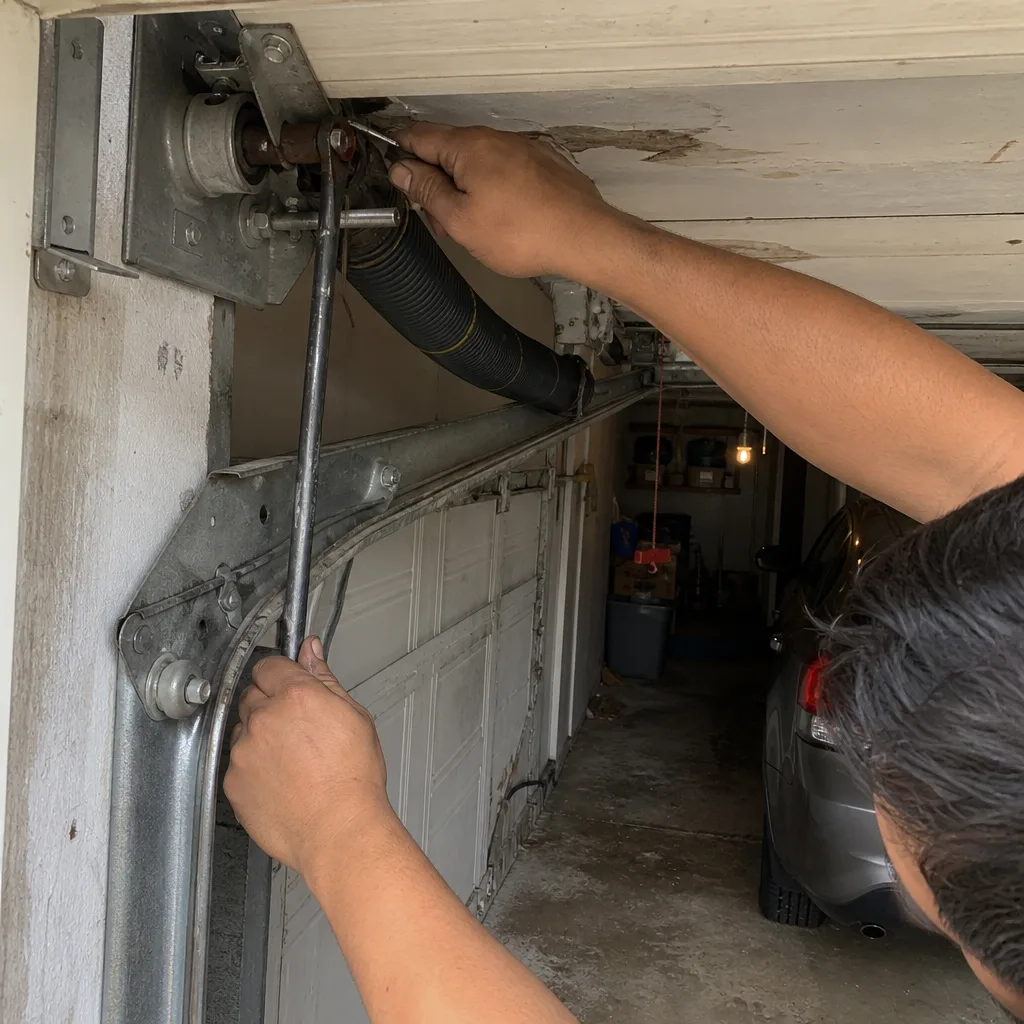 Before
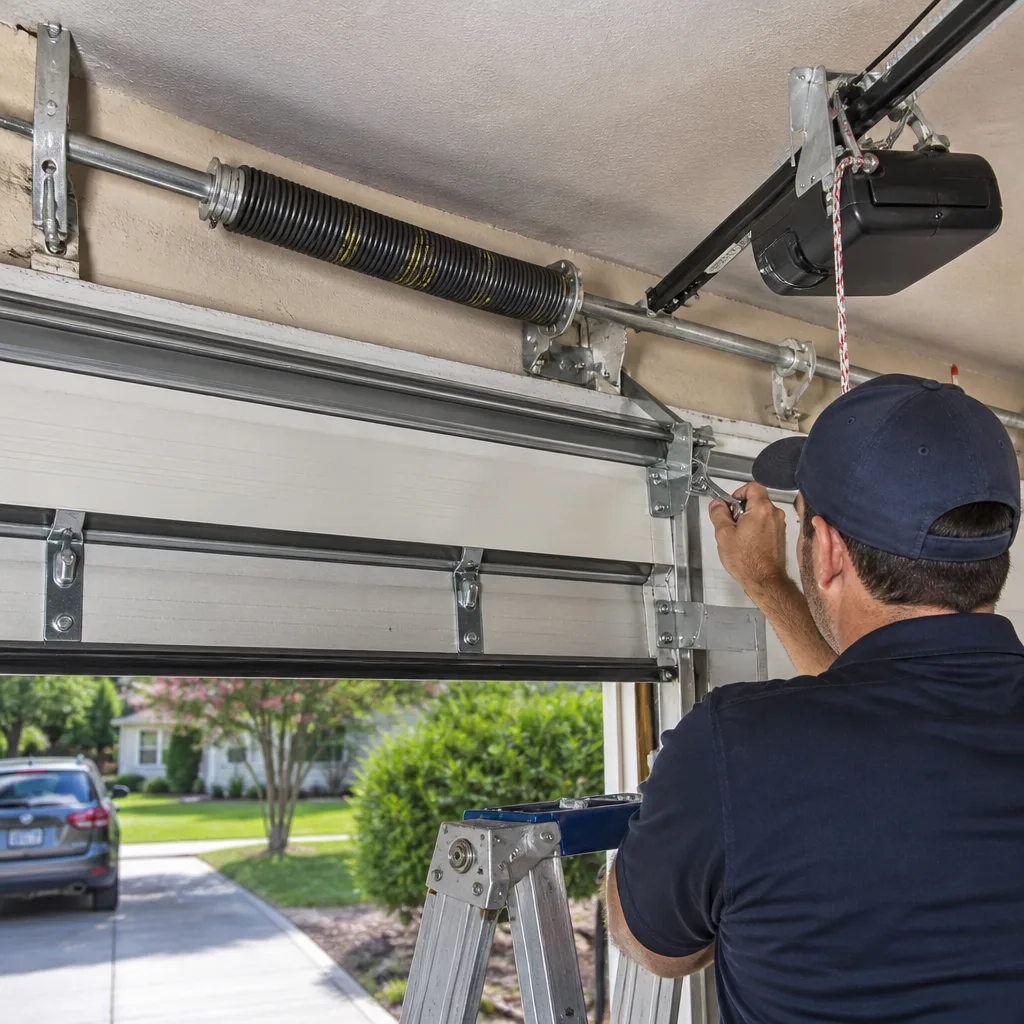 After
After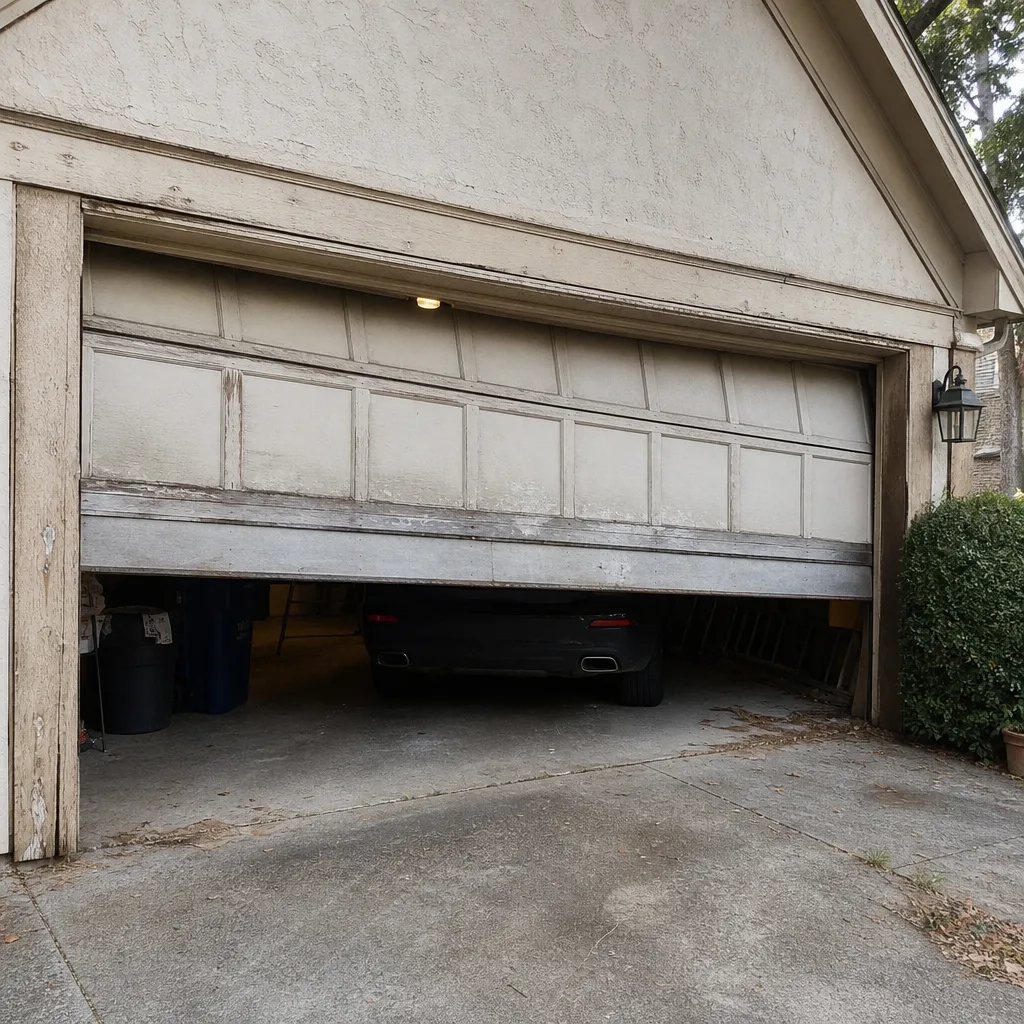 Before
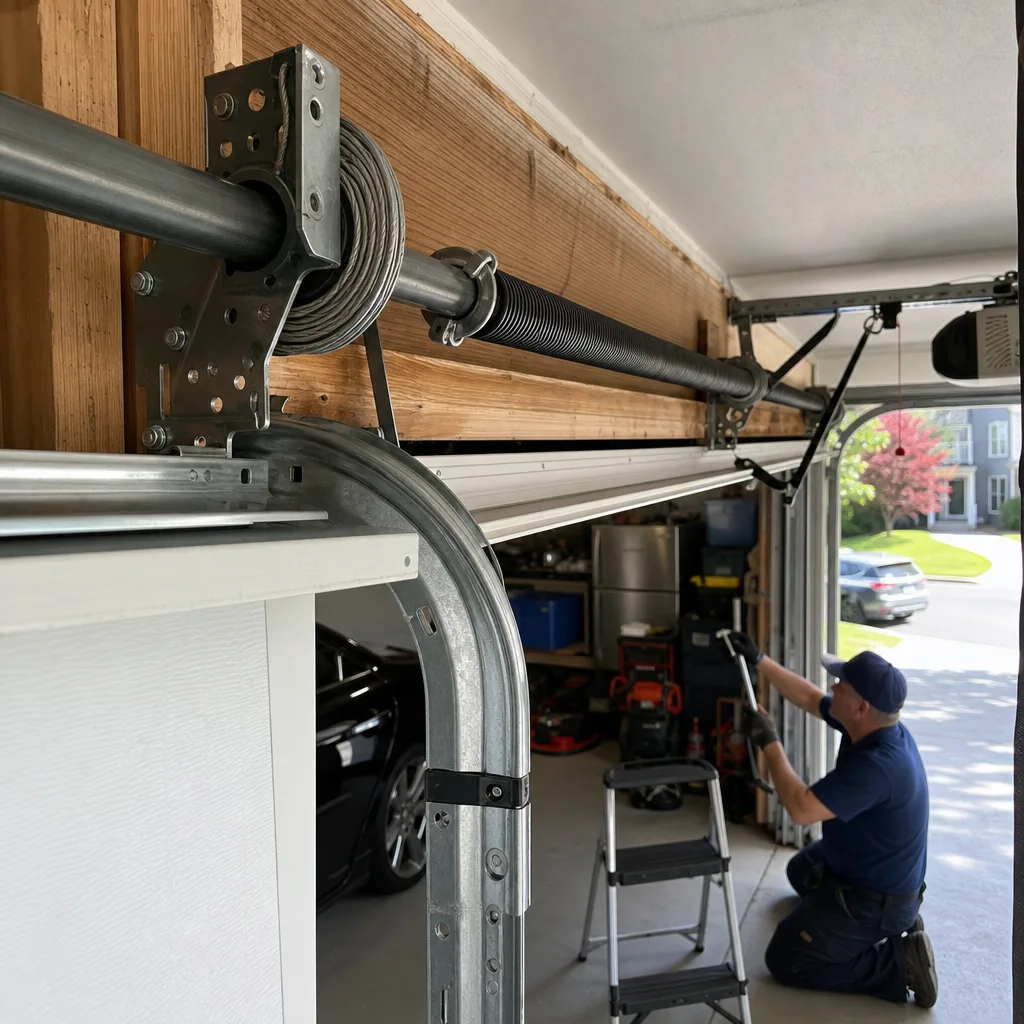 After
After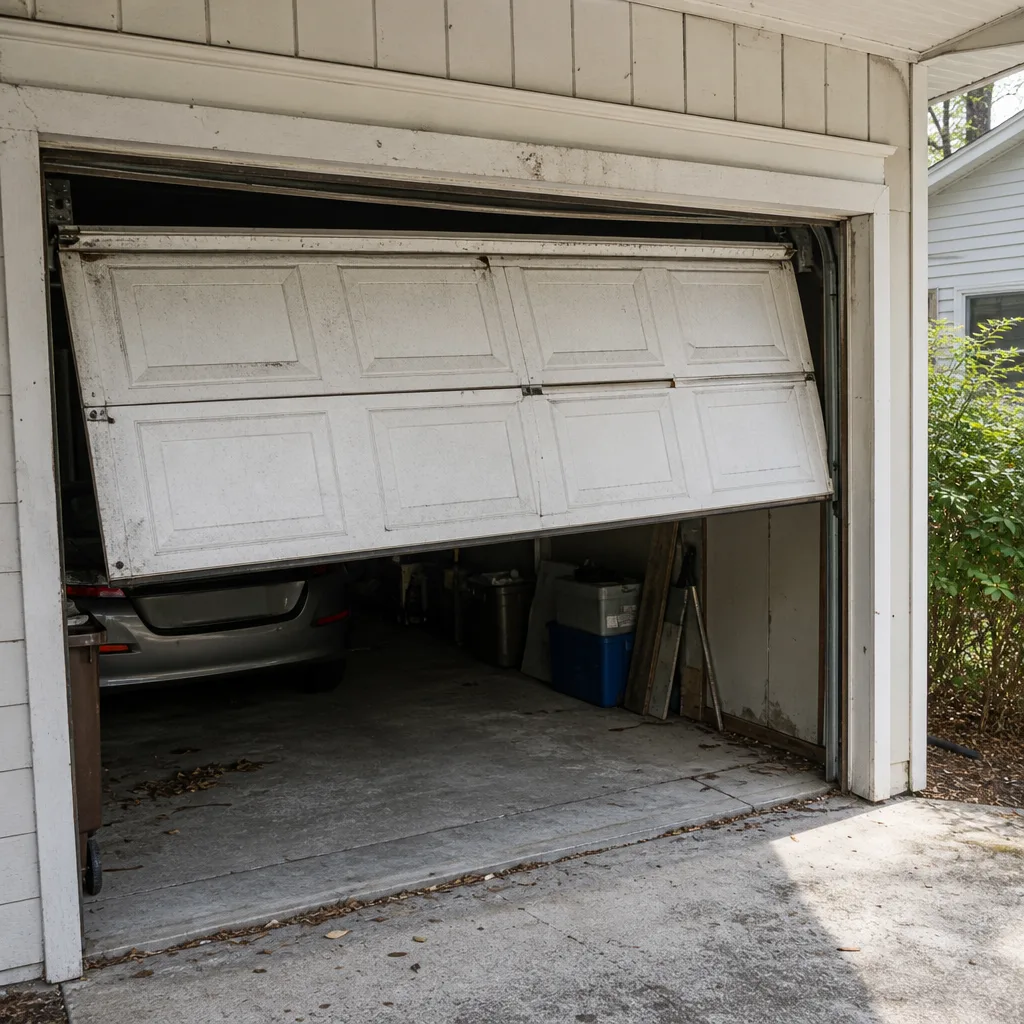 Before
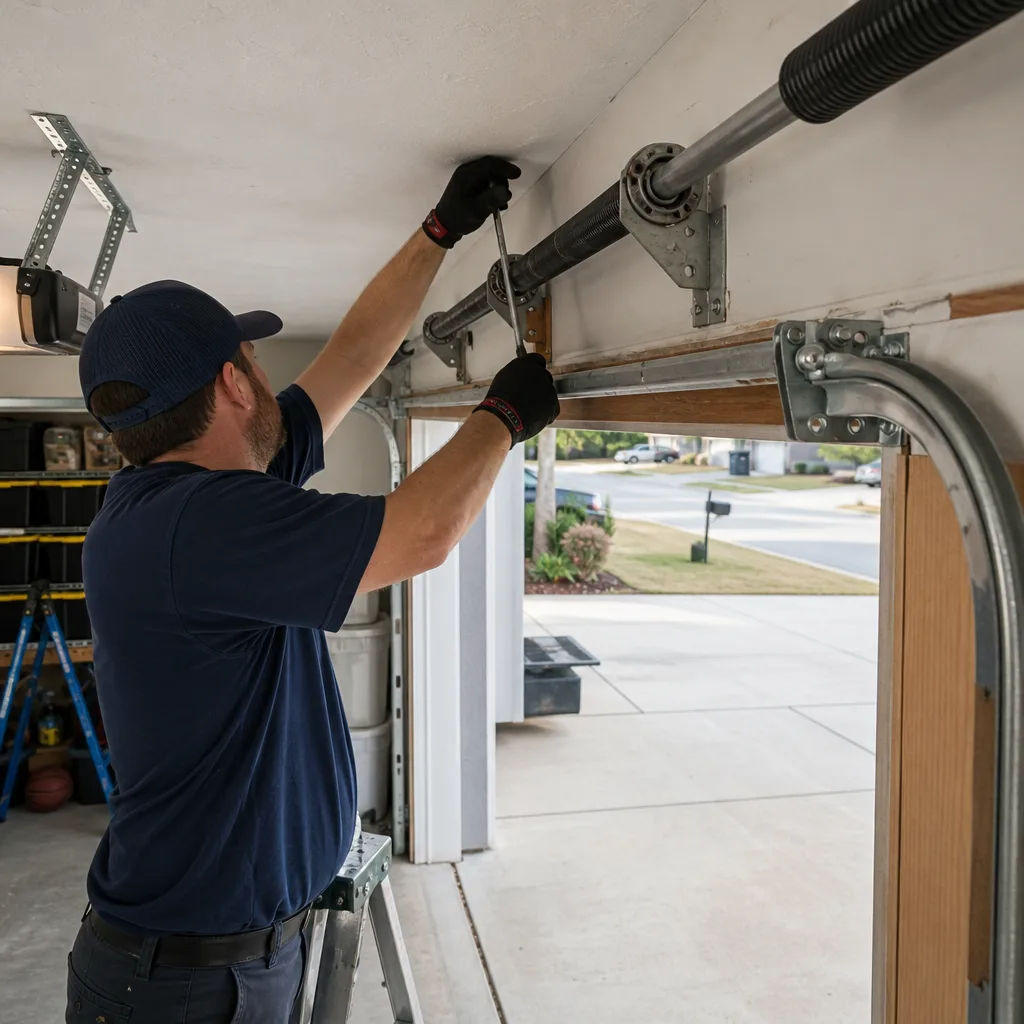 After
After