
Last updated October 16, 2026
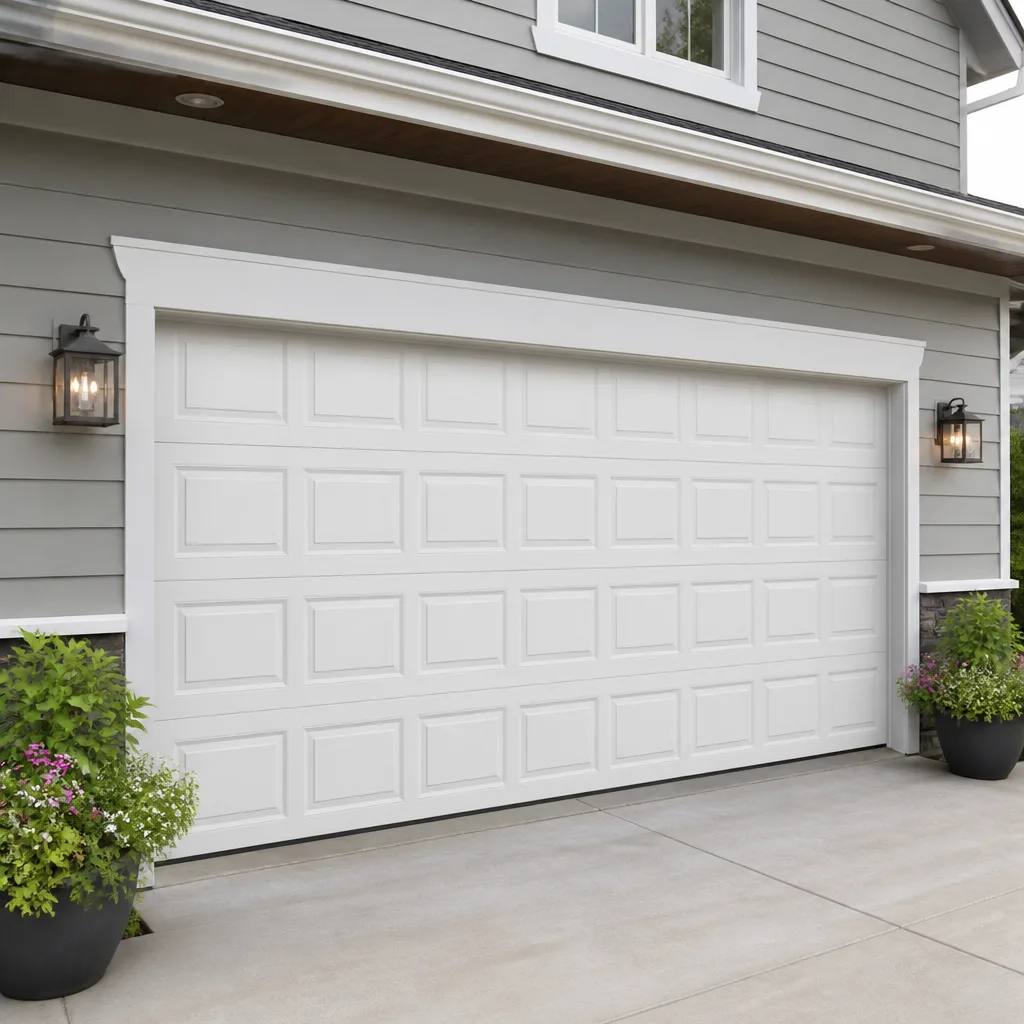 Raised-panel steel
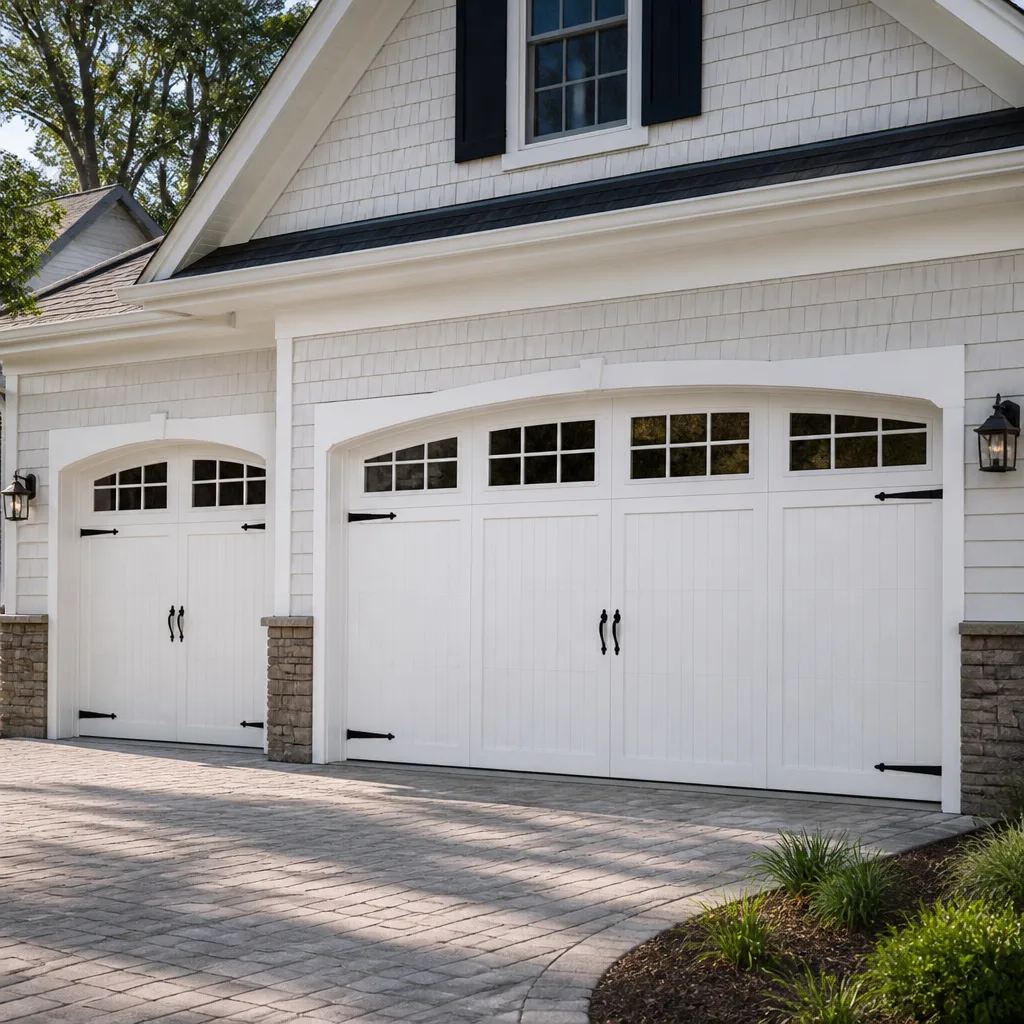 Carriage house
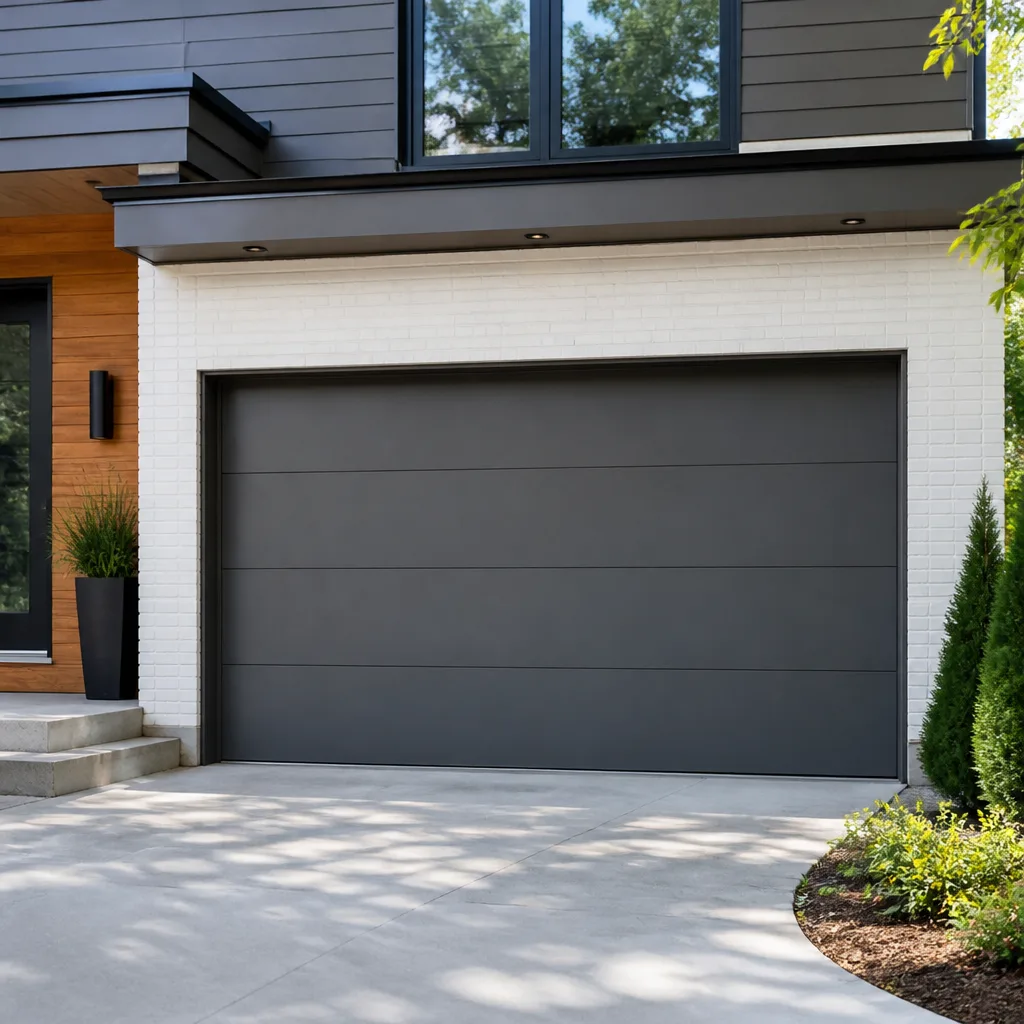 Modern flush
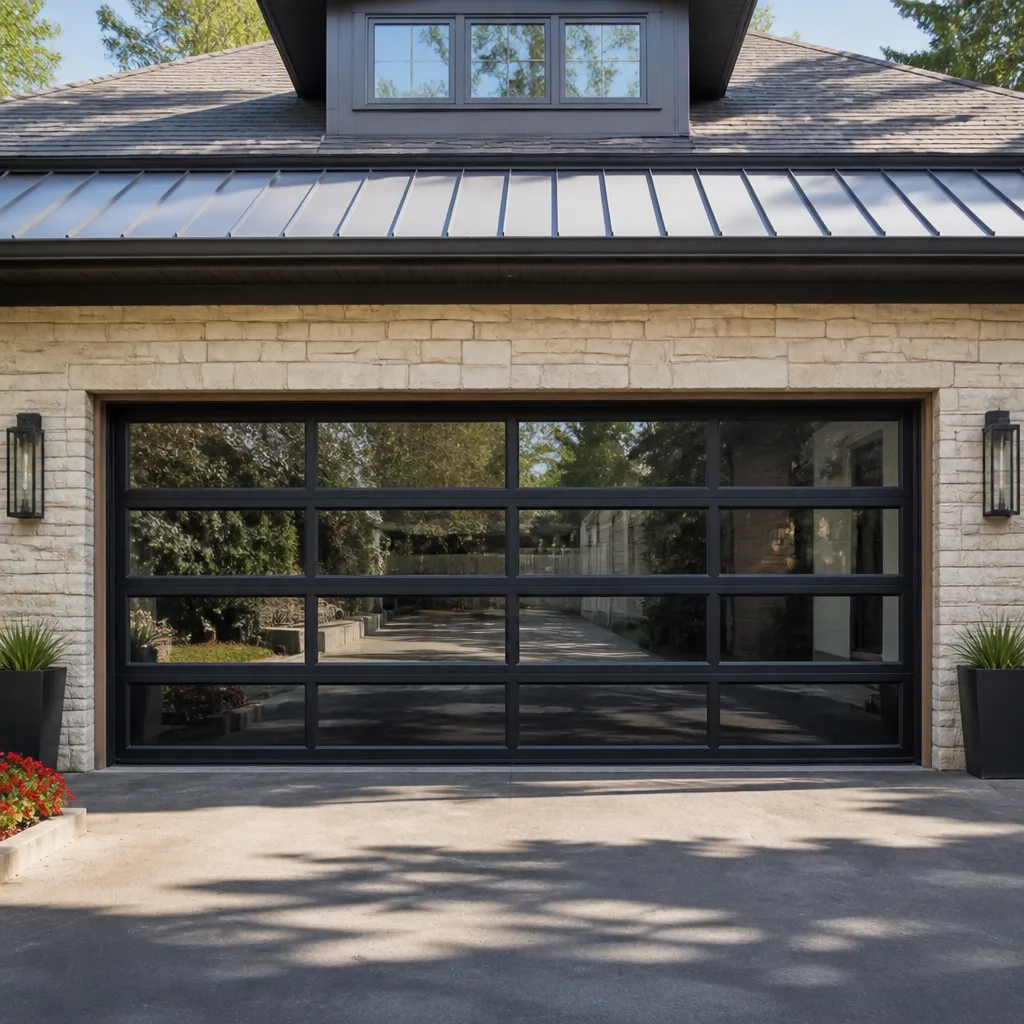 Full-view glass
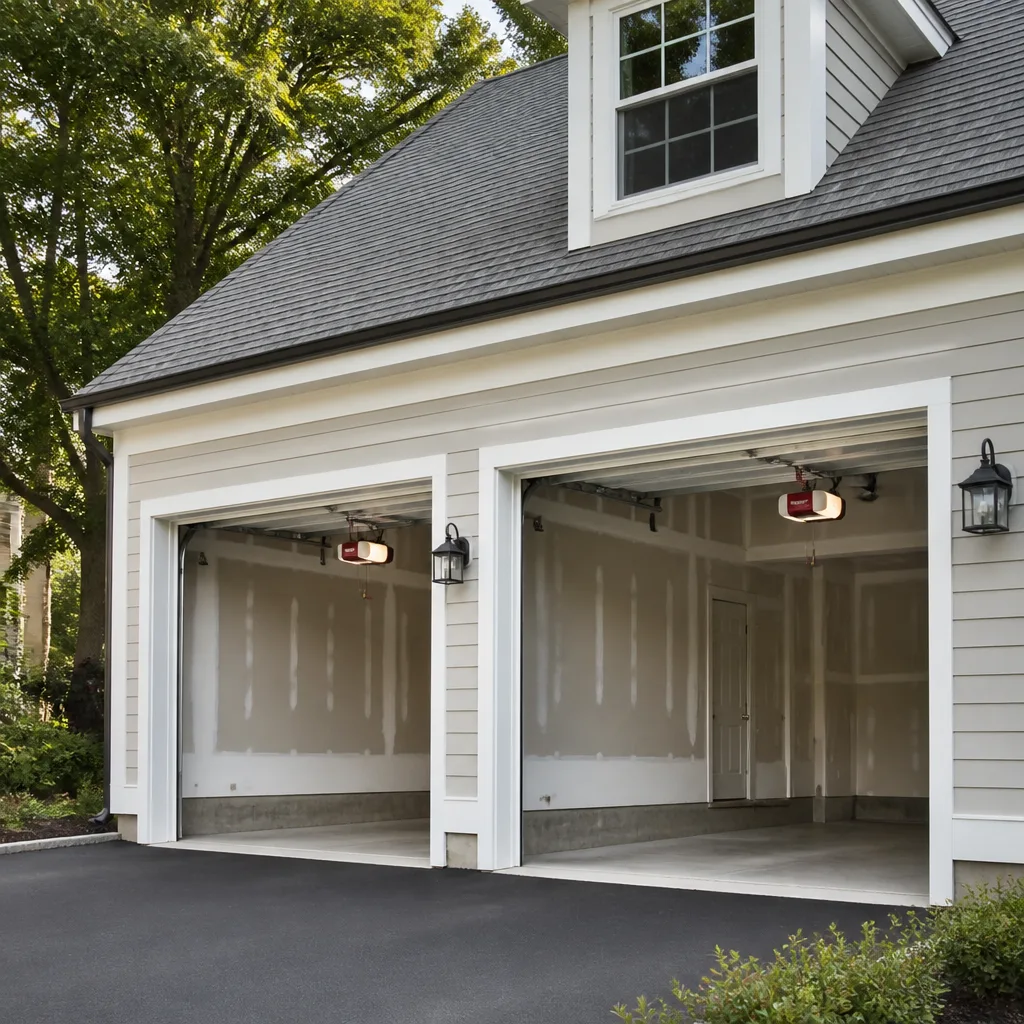 LiftMaster openers
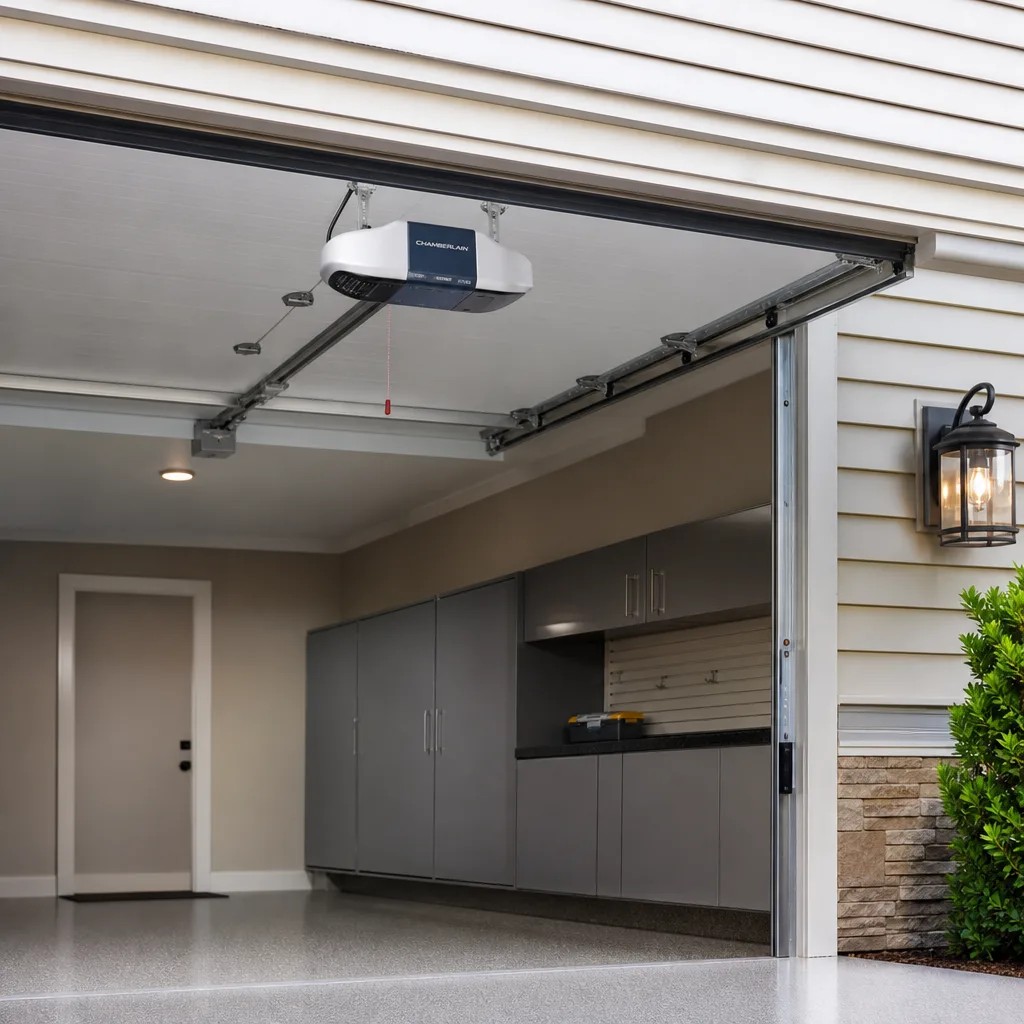 Chamberlain openers
Full 25-point door and opener safety check with every visit - springs, cables, rollers, tracks, and your LiftMaster or Chamberlain opener included
You get a price before we start. It does not change when the truck arrives.
Get your free estimateGarage Door Permits, Codes & Inspections in GA: What You Need to Know
Most homeowners in Marietta spend hours comparing door styles, R-values, and opener brands before a garage door replacement, but almost nobody asks the question that matters most at closing: does this job need a permit? The answer, for a surprising number of full replacements in Cobb County, is yes. Georgia’s residential building code treats a garage door as part of the home’s structural envelope, not just a convenience feature. And here’s the counterintuitive part: a door installed without a required permit won’t fail tomorrow, next month, or even next year. It fails at resale, when a buyer’s inspector flags an unpermitted structural modification and your deal collapses three days before you were supposed to move. This guide cuts through the official language to explain exactly when a permit is required in Georgia, what a Marietta garage door inspection actually checks, what it costs, and where to find more guides & resources.nd how to confirm a contractor pulled one before you hand over the final check.
Styles & brands we work with
Quick Answer
In Georgia, replacing an existing garage door with a similar door on the existing track usually does not require a building permit, but installing a new door with a new track system, altering the door opening, or replacing a door when the garage shares a wall with living space often does. In Marietta and unincorporated Cobb County, most full replacements trigger a residential permit that costs roughly $50 to $150 and includes a simple inspection focused on safety sensors, spring anchoring, and fire-rating requirements. A like-for-like repair (new springs, new opener, same door) almost never needs a permit.
Table of Contents
- The Line Between Repair and Replacement: When Georgia Requires a Permit
- How the Cobb County Permit Process Works for Garage Doors
- What a Garage Door Inspection Actually Checks
- Fire-Rated Garage Doors: The Code Requirement Most Marietta Homeowners Miss
- What Garage Door Permits Cost in Marietta in 2025 – 2026
- How to Verify Your Contractor Actually Pulled the Permit
- Common Mistakes to Avoid
- When to Call a Professional
- Frequently Asked Questions
- The Bottom Line
The Line Between Repair and Replacement: When Georgia Requires a Permit
Georgia’s residential code draws a practical line that most permit guides gloss over. The distinction comes down to what’s actually changing in your home.
A repair means fixing or replacing a component on an existing, functioning door system. You swap out a broken torsion spring (the heavy coil mounted above the door that handles most of the lifting weight). You replace a burned-out opener motor. You put a new panel on the same track. None of this requires a permit because you’re restoring the door to its original condition, not changing the structure.
A replacement that triggers code review happens when the work changes the door’s relationship to the house. Installing a completely new door on a new track system counts. Widening the door opening counts. Converting a single door to a double door counts. And here’s the one that catches Marietta homeowners off guard: replacing a door when the garage shares any wall or ceiling with conditioned living space frequently triggers a fire-rating review, which means a permit.
The practical test we use with our own customers in Marietta: if the new door is the same size, same type, and goes on the existing track, you’re almost certainly in repair territory. If the track comes down, the opening changes, or the door between your garage and living space needs to meet a fire rating, assume you need a permit until proven otherwise. When in doubt, call Cobb County’s permitting office and describe the job in one sentence. A two-minute phone call beats a delayed closing.
For context on what counts as a repair versus a full overhaul, see our guide to Garage Door Repair in Marietta.
How the Cobb County Permit Process Works for Garage Doors
Cobb County’s residential permitting process is online through the county’s public portal, and for a garage door replacement it’s straightforward enough that a homeowner can handle it in about 30 minutes, though most contractors include permit management in their scope of work.
Here’s how a typical residential garage door permit works in Marietta:
- Determine jurisdiction. If you live inside Marietta city limits, the city’s own permitting office may handle it, but most Marietta addresses fall under Cobb County’s residential building permit system. Your specific address determines which office you file with.
- Confirm the project description. The application asks for a one-sentence description such as “replace garage door on existing residential structure.” That’s usually enough for a door that’s staying the same size.
- Submit the application. Cobb County’s electronic filing portal processes residential garage door permits as a minor residential alteration. In most cases the permit is approved within 24 to 48 hours for a standard same-size replacement.
- Pay the fee. Fees for residential garage door permits in Cobb County typically run $50 to $150 depending on the valuation of the door and whether you’re adding any electrical work for a new opener.
- Complete the work. Once the door is installed, the contractor or homeowner schedules a rough inspection, which for a garage door is usually a final inspection since there’s no concealed work.
- Pass the inspection. The inspector verifies door operation, safety sensors, spring anchoring, and fire rating if applicable. The permit closes, and the record becomes public.
One note from our experience working in Marietta since 2001, and a topic we covered in our Garage Door Warning Signs: A Marietta Homeowner’s Reference Guide: the permit itself is usually not the bottleneck. The inspection scheduling can be. During peak spring and fall seasons, inspections may book out five to seven business days. If you’re doing a full door replacement before putting a house on the market, build that week into your timeline.
Most full replacement jobs we handle in Marietta include a new door on new track, which takes the project out of the simple repair category. Our Garage Door Installation in Marietta page explains what a complete installation actually involves.
What a Garage Door Inspection Actually Checks
A lot of homeowners assume a permit inspection is bureaucratic theater: someone glances at the door, signs a paper, and leaves. It’s not. The inspection is short, usually 15 to 20 minutes, but it checks specific safety thresholds that matter for anyone who stores a car, a workshop, or boxes of old tax returns in their garage.
The inspection checklist for a residential garage door in Cobb County covers:
- Opener force settings. The opener is tested to confirm it reverses when it encounters resistance. This is the anti-entrapment safety feature that protects kids and pets, and it’s the most common failure inspectors find.
- Photo-eye sensor alignment. The sensors mounted six inches off the floor on each side of the door must break the beam and reverse the door. Inspectors check that these are installed at the correct height, not just that they’re plugged in.
- Spring anchoring and containment. Torsion springs hold enormous tension, and the inspector verifies they’re mounted on a proper spring anchor bracket with a containment cable running through the center. A spring that breaks loose during operation can throw shrapnel across a garage.
- Header bracket attachment. The header bracket holds the opener’s rail to the wall above the door. Inspectors check it’s bolted into the framing, not just drywall screws into a drywall anchor.
- Fire rating where required. If the garage shares a wall or ceiling with living space, the inspector verifies the door meets the thermal and structural fire rating for that assembly.
- Weather sealing at the sides and bottom. This is less about fire and more about keeping Atlanta’s humidity out of your garage, which matters for whatever you store in there.
The safety items on this list are why a permit process exists for a door that seems like a simple swap. Opener force settings and sensor alignment are genuine injury-prevention features. If your current door doesn’t reverse when it hits an obstruction, that’s a repair issue worth addressing whether or not you’re getting a new door.
For a deeper look at opener safety and brand-specific repair quirks, see our Bramwell Garage Doors Marietta home guide to common failure points across Chamberlain, Genie, and LiftMaster openers.
Fire-Rated Garage Doors: The Code Requirement Most Marietta Homeowners Miss
Here’s the section that separates a surface-level permit guide from one that saves you money at resale. The majority of post-1990 construction in Marietta, and frankly across Cobb County, places the garage on the same footprint as the house with living space above it or beside it. In those homes, the wall or ceiling between the garage and living space is a fire separation assembly, and the garage door becomes part of that assembly.
A standard steel garage door is not fire-rated. It may be 24-gauge steel with a polyurethane core, but it has not been tested and labeled to withstand the thermal exposure required of a fire separation between a garage and a bedroom. When a garage shares a wall with living space, Georgia’s residential code requires the door to carry a fire rating label, typically a 20-minute rating, that matches the rating of the wall it’s installed in.
What does this mean for you? If you replace a door in a garage that sits below a bonus room or beside a kitchen, and the old door was fire-labeled but the new one isn’t, you’ve technically downgraded the fire protection of your home without knowing it. The door will look fine. It will open fine. But it won’t meet code, and a knowledgeable home inspector at resale will catch it. Amarr and Clopay both manufacture fire-rated residential garage doors that meet this requirement, but they cost more than their standard counterparts, which is exactly why a less scrupulous installer might quietly substitute one.
This is one of the reasons we always ask Marietta customers about the rooms adjacent to their garage before recommending a door. A fire-rated door in a detached garage is optional. A fire-rated door in a garage under living space is often required. The difference matters.
What Garage Door Permits Cost in Marietta in 2025 – 2026
Permit fees are one of those costs that feel like a tax until you realize you’re paying for a public record that protects you at resale. Here’s what to budget for in the Marietta and Cobb County market:
- Same-size door replacement with new track, no electrical: $50 – $90 permit fee
- Full replacement including new opener wiring: $80 – $150 permit fee (the extra covers a minor electrical review)
- Door opening alteration (widening, height change): $150 – $300, plus possible structural review if the header is modified
- Like-for-like component repair (springs, opener, panels): no permit required
These figures reflect what we see on permit applications handled across Marietta in 2025 and early 2026. They’re not exact quotes, and your specific address may fall under a slightly different fee schedule, but they’re the right ballpark. A full garage door replacement in Marietta, including door, track, hardware, and installation, typically runs $1,200 to $3,500 depending on door size, material, and insulation. The permit fee is a rounding error on that total, and it buys you a public record that says the work was inspected.
One thing worth understanding: the permit fee is not a markup. It’s paid to the county or city. A contractor who quotes you a permit fee should be able to show you the receipt from the jurisdiction, and the permit should appear in the public record under your address. If someone quotes you a “cash discount for skipping the permit,” you’re not saving money. You’re paying for a problem you’ll meet at closing.
How to Verify Your Contractor Actually Pulled the Permit
Most Marietta homeowners take a contractor’s word that the permit was pulled. Here’s how to check it yourself in five minutes.
Cobb County maintains a public online permit lookup that anyone can search by address. Here’s the step-by-step:
- Go to Cobb County’s official permitting portal. Look for the “Permit Search” or “Public Records” section. You don’t need to create an account to search.
- Enter your street address. Use the same format as your property tax bill (e.g., “1234 Whitlock Ave” without a unit number).
- Look for a permit with a project description matching your garage door work. It will be classified as a residential alteration or similar category, and the description will mention “garage door.”
- Check the status. An open permit is fine while work is in progress. Wait until the status reads “finaled,” “closed,” or “approved” before you make the final payment on the job.
- Save a screenshot or PDF of the closed permit. You’ll want this later for your own records and for the disclosure packet when you sell.
If the permit isn’t there and your contractor says it was pulled, call the permitting office and ask. Sometimes permits get filed under a parent permit number or a slightly different address format. But if it’s genuinely not in the system, that’s a signal. A contractor who skips a required permit has also skipped the inspection, which is the only independent check that the door was installed safely.
We include a copy of the closed permit with every job in Marietta that requires one. It’s part of the paperwork packet we leave with the customer, the same way we leave a written price before work starts and a written guarantee after it’s done. If you want to understand more about the full scope of a spring replacement, Garage Door Spring Repair in Marietta covers what a proper spring job looks like and why it’s not a DIY project.
Common Mistakes to Avoid
- Assuming every garage door job is a “repair” so no permit is needed. Swapping a broken spring is a repair. Swapping the entire door and track system is a replacement. The second one can trigger permit requirements in Cobb County if the garage is attached to living space.
- Paying for a “cheaper” non-fire-rated door on an attached garage. A 20-minute fire-rated door from Amarr or Clopay costs more upfront, but installing a non-rated door where code requires a rated one is a resale problem waiting to surface.
- Taking a verbal “yeah, we pulled it” from an installer without checking the public record. The permit lookup takes five minutes, and the record is permanent. Checking it is not a trust issue, it’s a closing protection.
- Misunderstanding what the inspection actually verifies. A garage door inspection is not a cosmetic review. It’s a safety check on opener force, sensor alignment, and spring containment, and it exists because these components can hurt someone.
- Waiting until the week before closing to deal with an unpermitted door. Cobb County inspections typically schedule a week out. If a buyer’s inspector flags the door mid-transaction, you’re suddenly negotiating price credits instead of scheduling a fix.
- Paying the full job price before the permit is closed. The final inspection is your confirmation that the work met code. If the permit is still open, hold the final payment until it’s closed.
When to Call a Professional
Some garage door work is genuinely DIY-friendly: replacing weather stripping, lubricating rollers, tightening hinge screws. But the projects that trigger permit requirements are the ones where you want a professional walking you through the paperwork as much as the installation. Our Garage Door Repair Maintenance Checklist for Marietta Homeowners covers the simpler tasks you can handle yourself. If you’re replacing an entire door on new track in a home where the garage shares a wall with living space, if you’re altering the door opening, or if you’ve inherited a house with an unpermitted door installation and you’re trying to bring it into compliance before selling, call someone who handles Cobb County permits regularly. Bramwell Garage Doors Marietta offers free estimates on replacement work throughout Marietta and the surrounding area. Call (912) 520-4208 and we’ll walk you through whether your project needs a permit, what it’ll cost, and who handles the paperwork.
Frequently Asked Questions
In most Georgia jurisdictions, including Cobb County, a building permit is not required for a like-for-like component swap such as a new spring or opener on an existing door, but it is often required for a full door replacement on new track, especially when the garage shares a wall or ceiling with conditioned living space. If you’re unsure, call your local permitting office with a one-sentence description of the job, or ask a licensed contractor who handles permits in your county. Call (912) 520-4208 for a free assessment of your specific project.
In Marietta and Cobb County, expect to pay $50 to $150 for a standard residential garage door permit, with the higher end applying when new opener wiring or an opening alteration is involved. The exact fee depends on your address and the project scope, but it’s a small fraction of the total door replacement cost, which typically runs $1,200 to $3,500 in the Marietta market. Call (912) 520-4208 and we can give you a realistic estimate for both the door and the permit.
The door will work. Nothing will fall apart. But if the installation did not meet code and a future buyer’s inspector catches it, you’ll be fixing it under transaction pressure, not on your own schedule, and the fix will cost more than the permit and inspection would have. In some cases an unpermitted structural modification can also create issues with insurance coverage for related damage, though that varies by policy and carrier.
A Cobb County garage door inspection checks opener force settings to confirm the door reverses on resistance, photo-eye sensor alignment, torsion spring mounting and containment cable, header bracket attachment to framing, and fire-rating compliance when the garage adjoins living space. It’s a 15 to 20 minute safety review, not a bureaucratic formality.
Fire-rated garage doors are required when the garage shares a wall or ceiling with living space, which applies to most attached garages in post-1990 Marietta construction. The rating typically needs to match the fire separation assembly, usually a 20-minute label. Standard steel doors don’t meet this without testing and labeling from manufacturers like Amarr or Clopay.
Go to Cobb County’s public permit lookup portal, search by your street address, and look for a residential alteration permit mentioning “garage door” in the description. Confirm the status reads “finaled” or “closed” before you make your final payment. The record is permanent and public, so the check takes about five minutes. Call (912) 520-4208 if you need help navigating the portal.
The Bottom Line
A garage door permit in Marietta is a small expense that buys a permanent public record of code-compliant installation. Like-for-like repairs don’t need one. Full replacements on attached garages usually do. Fire-rated doors are not optional when living space sits above or beside the garage. The inspection checks real safety systems, and you can verify the permit yourself in five minutes through the Cobb County portal. The Kingswell standard applies to paperwork the same way it applies to springs and openers: do it right, document it, and put it in writing. That’s how we’ve worked in Marietta since 2001, and it’s why our customers don’t meet surprises at closing.
Written by Marcus Ellery, Owner at Bramwell Garage Doors Marietta, serving Marietta since 2001.
See the difference
 Before
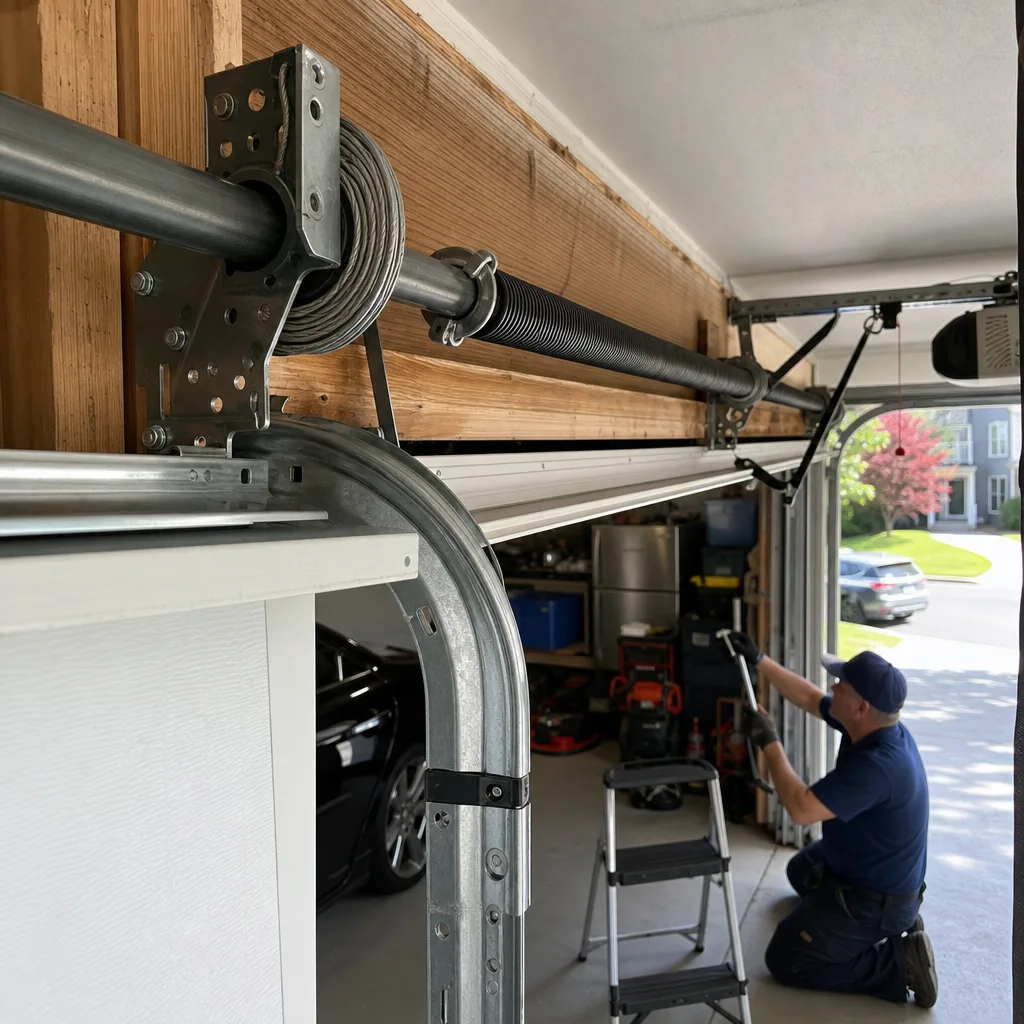
 After
After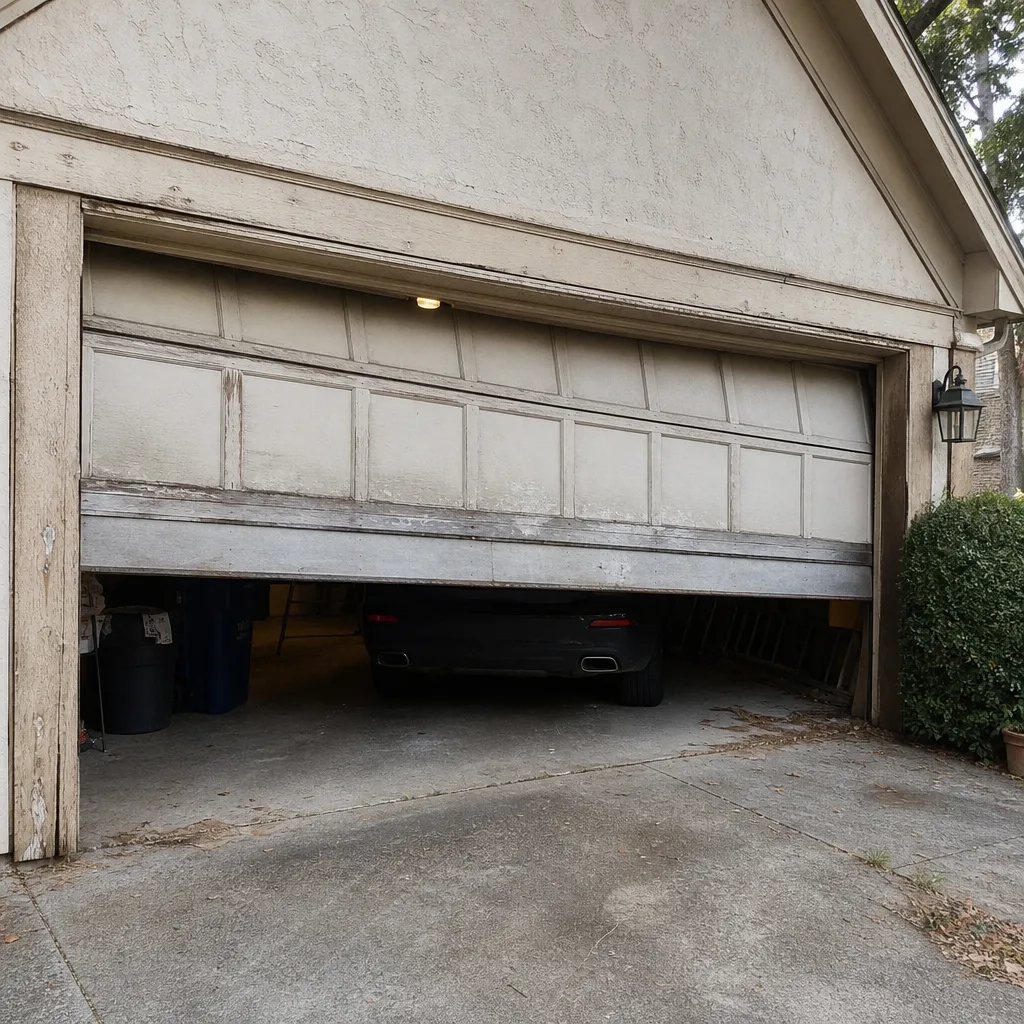 Before
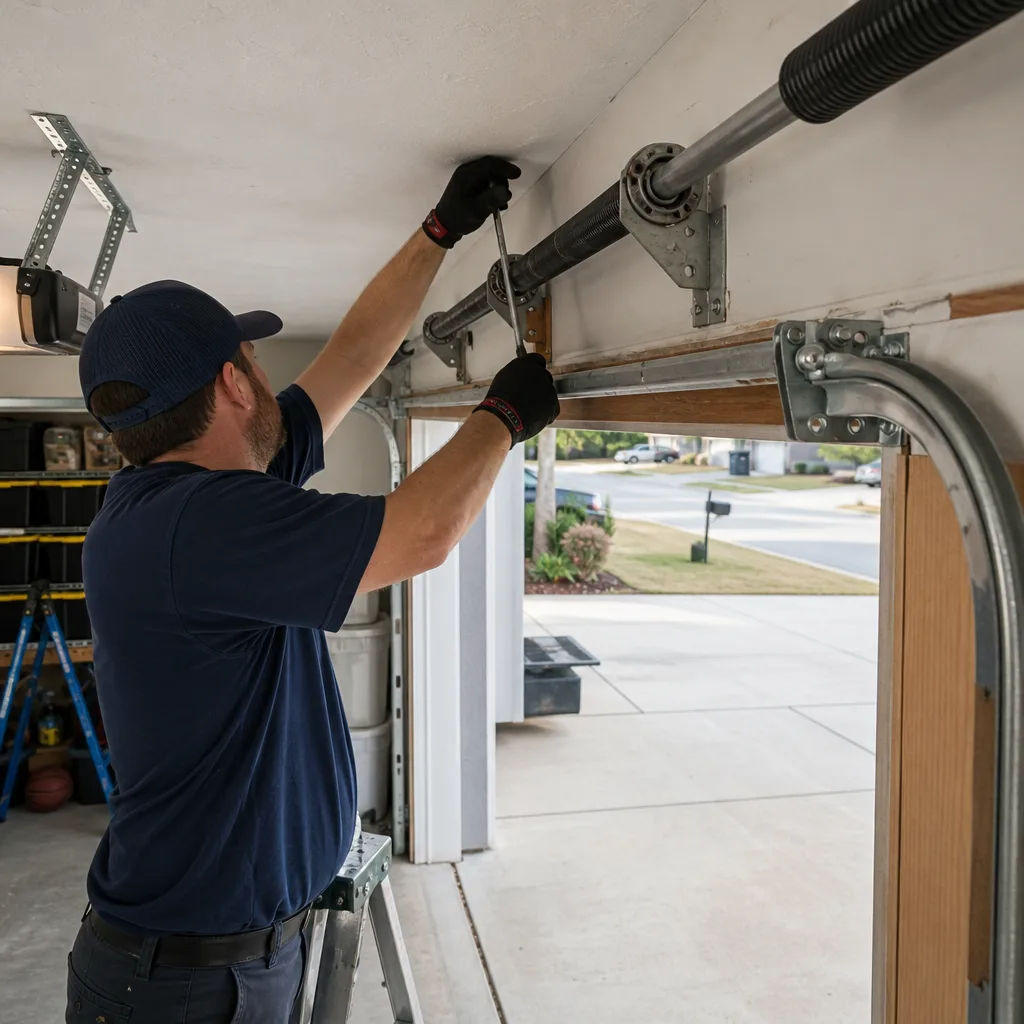
 After
After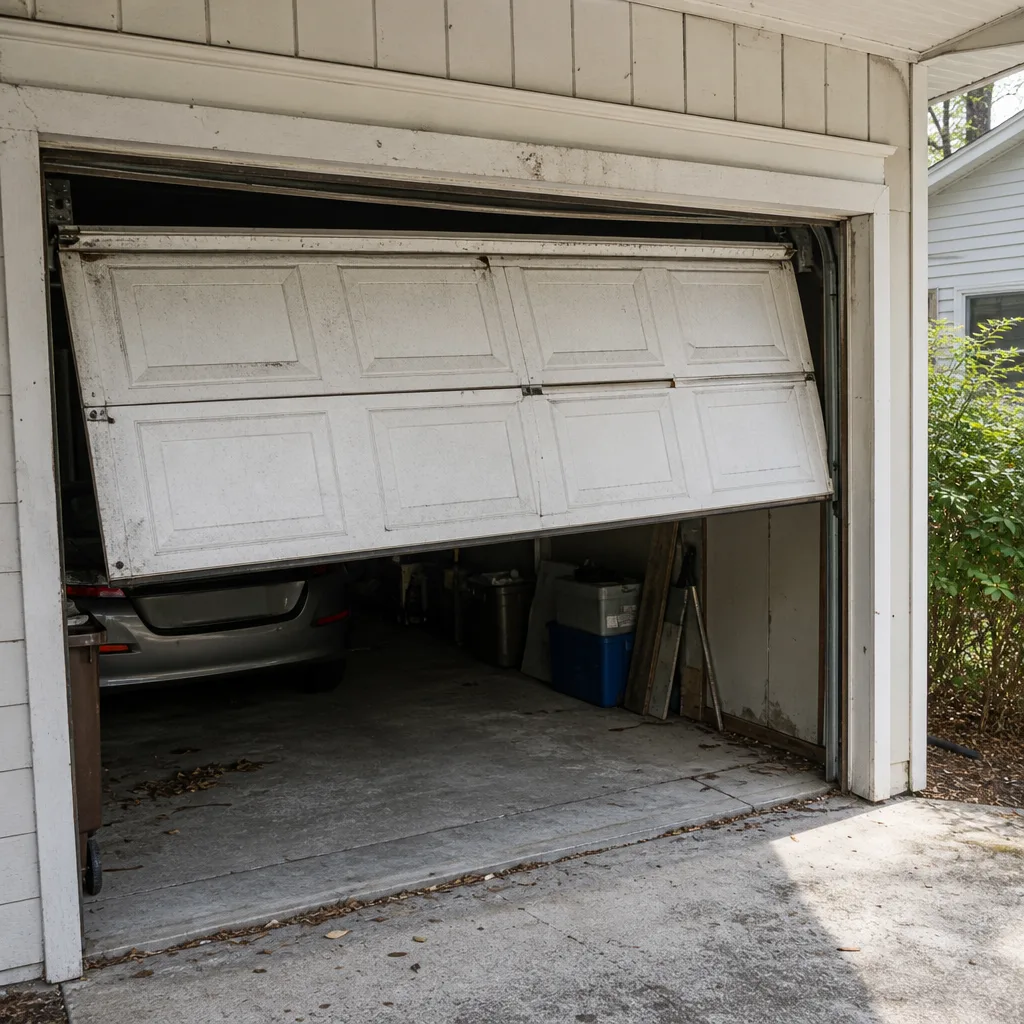 Before
 After
After