
Last updated October 16, 2026
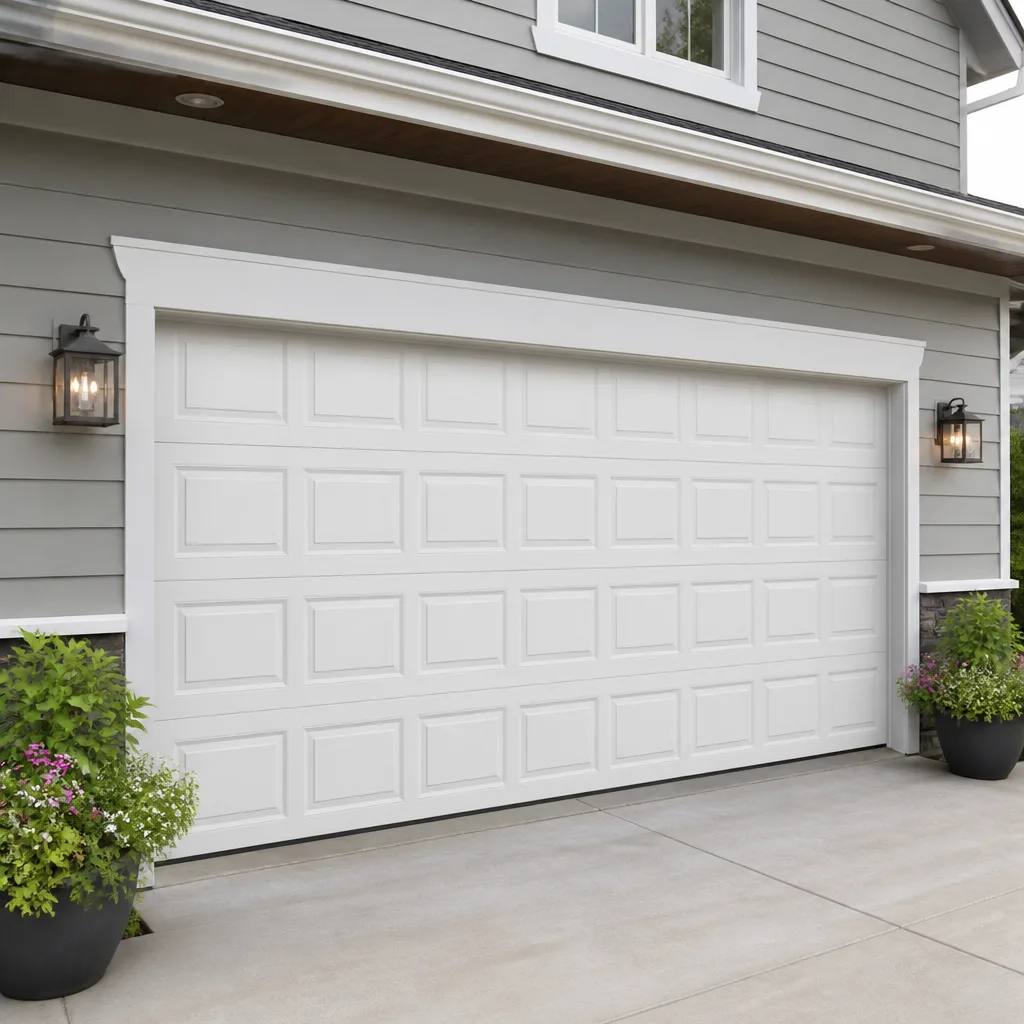 Raised-panel steel
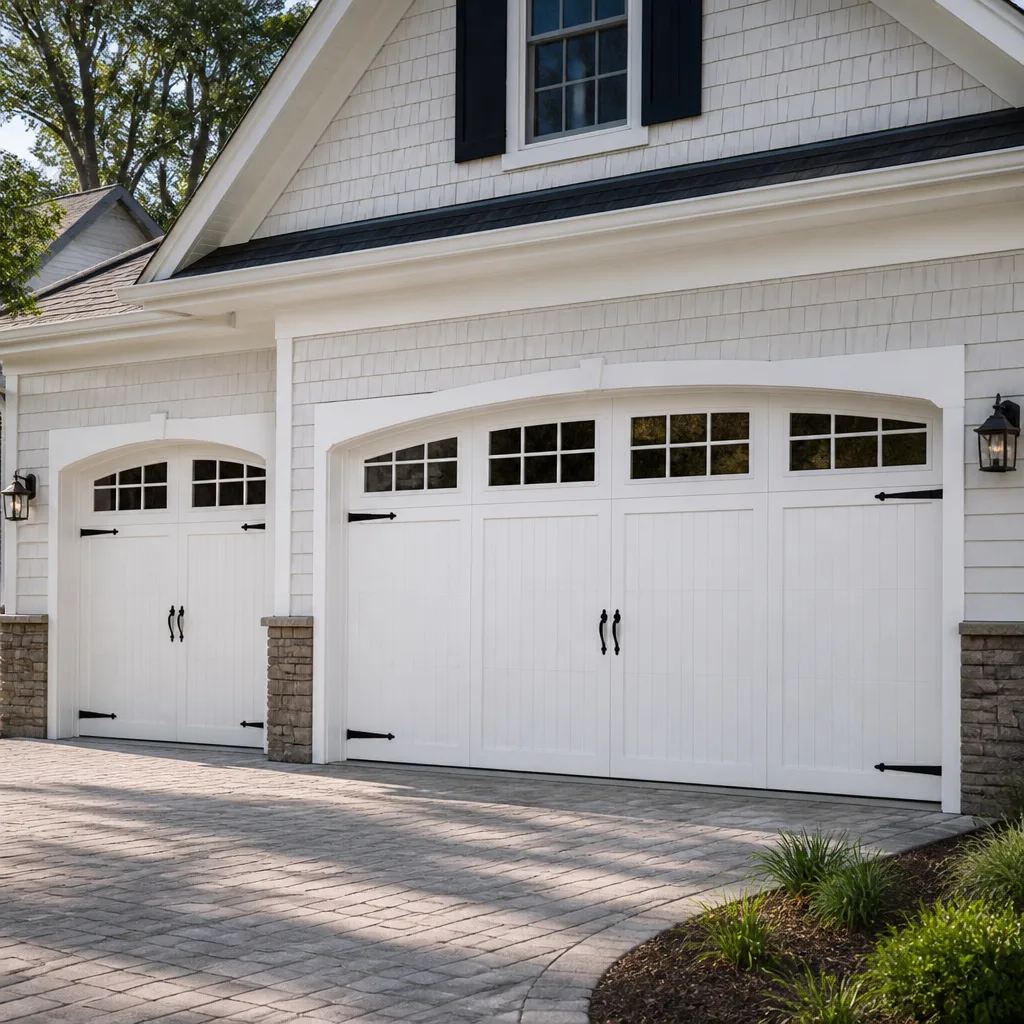 Carriage house
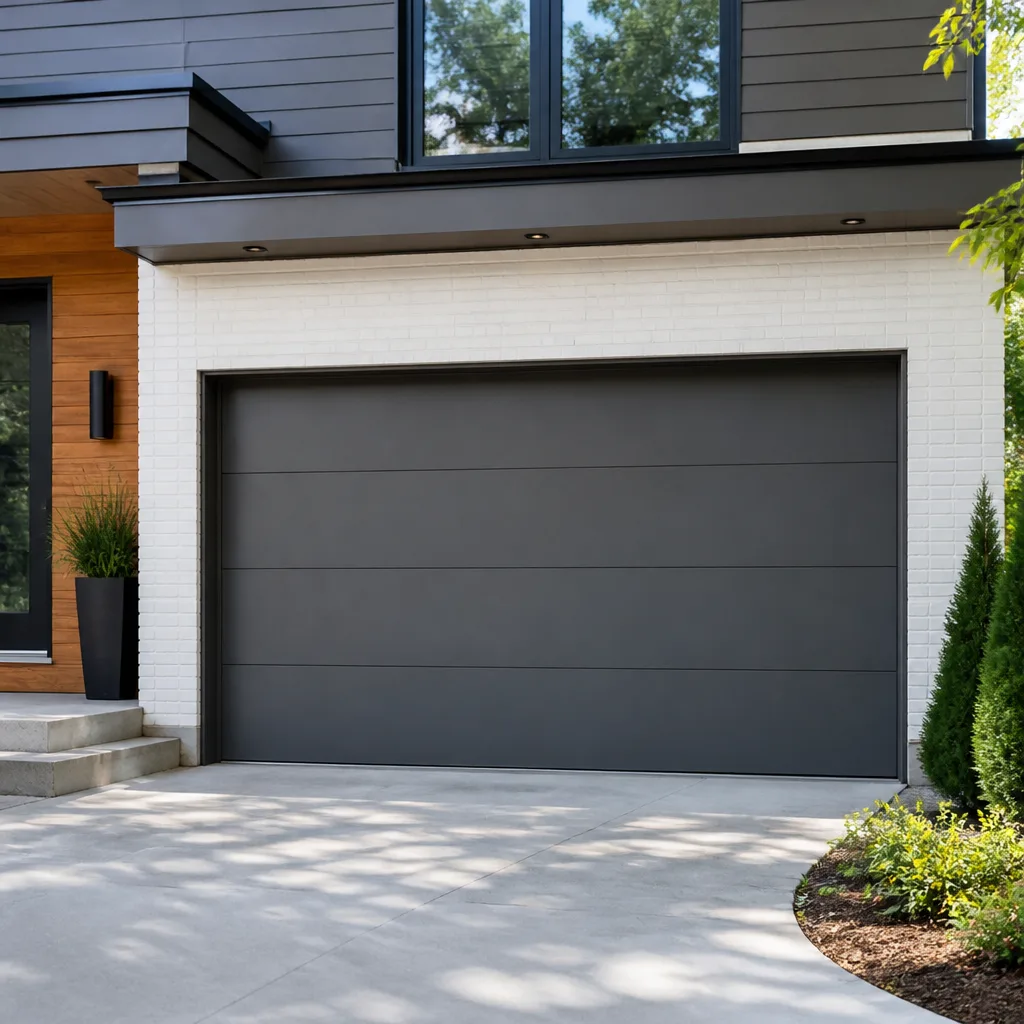 Modern flush
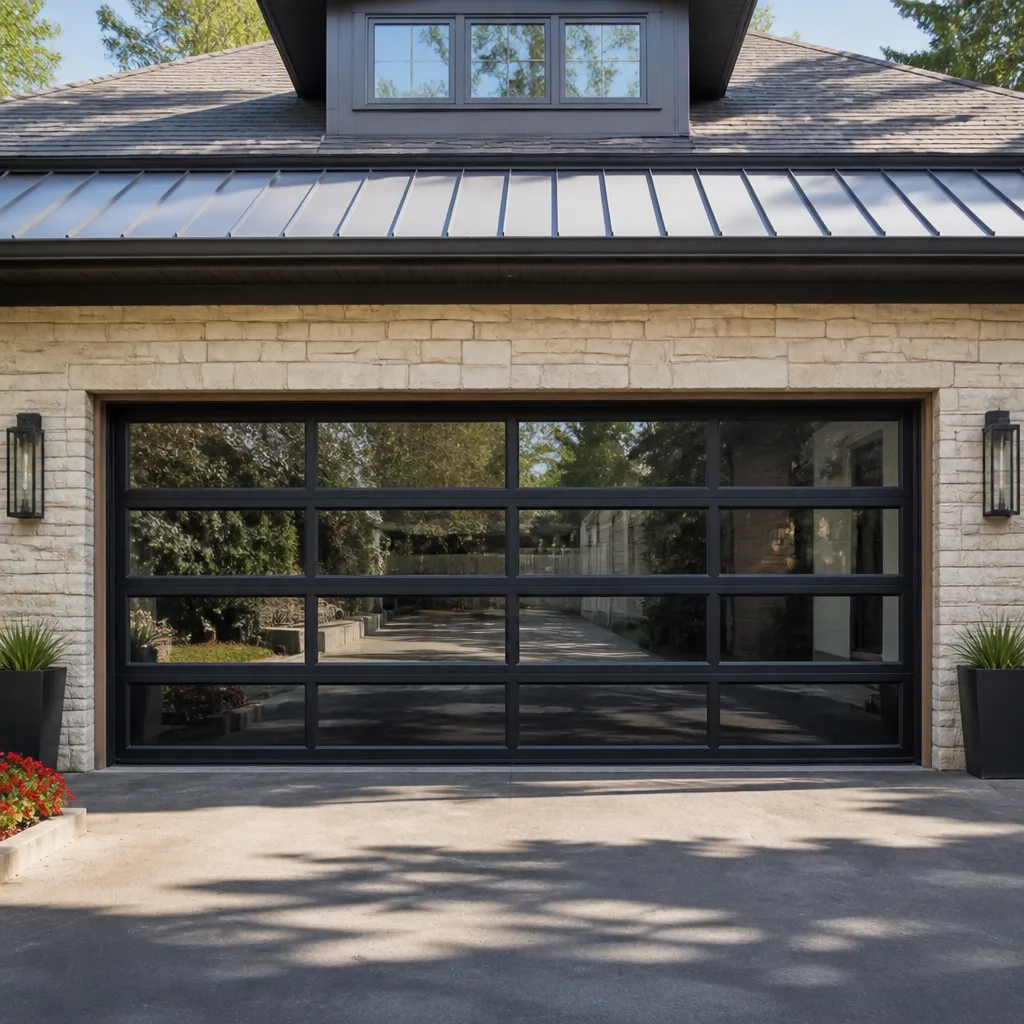 Full-view glass
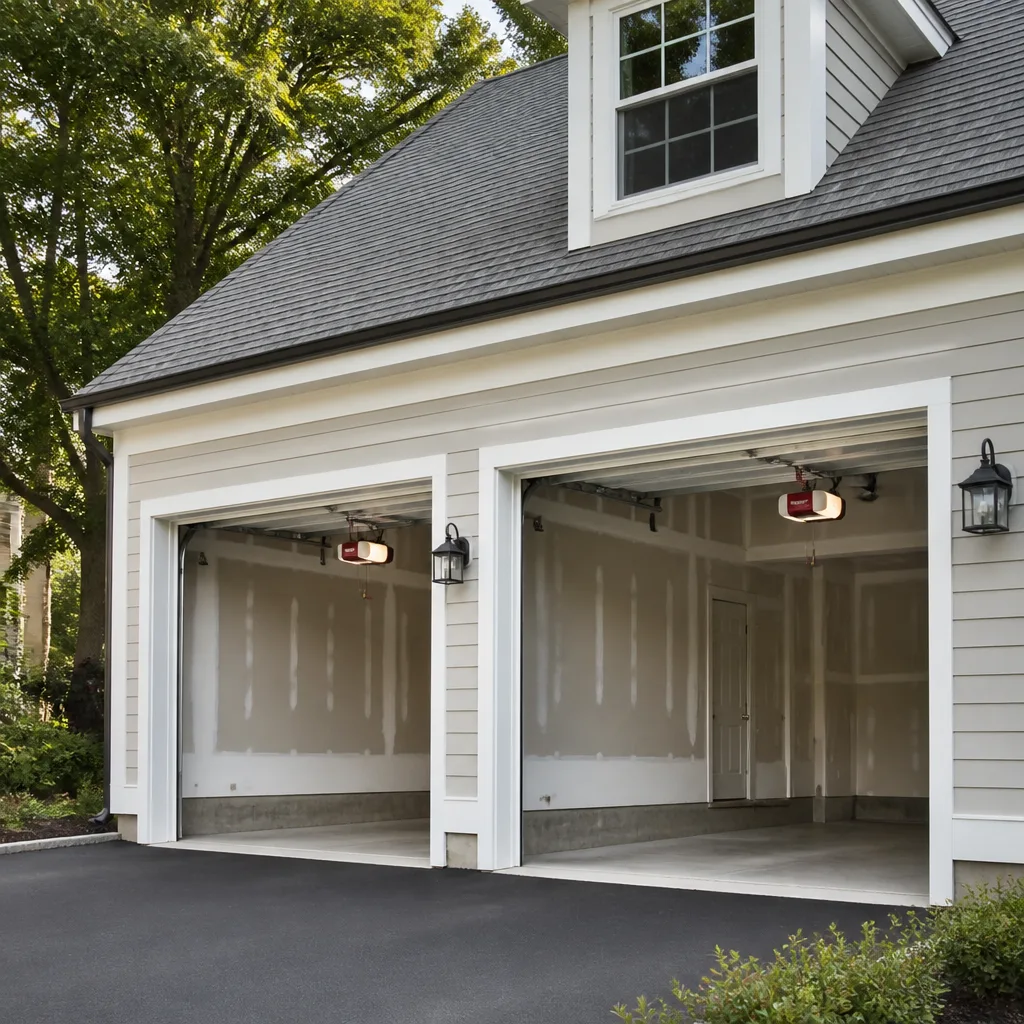 LiftMaster openers
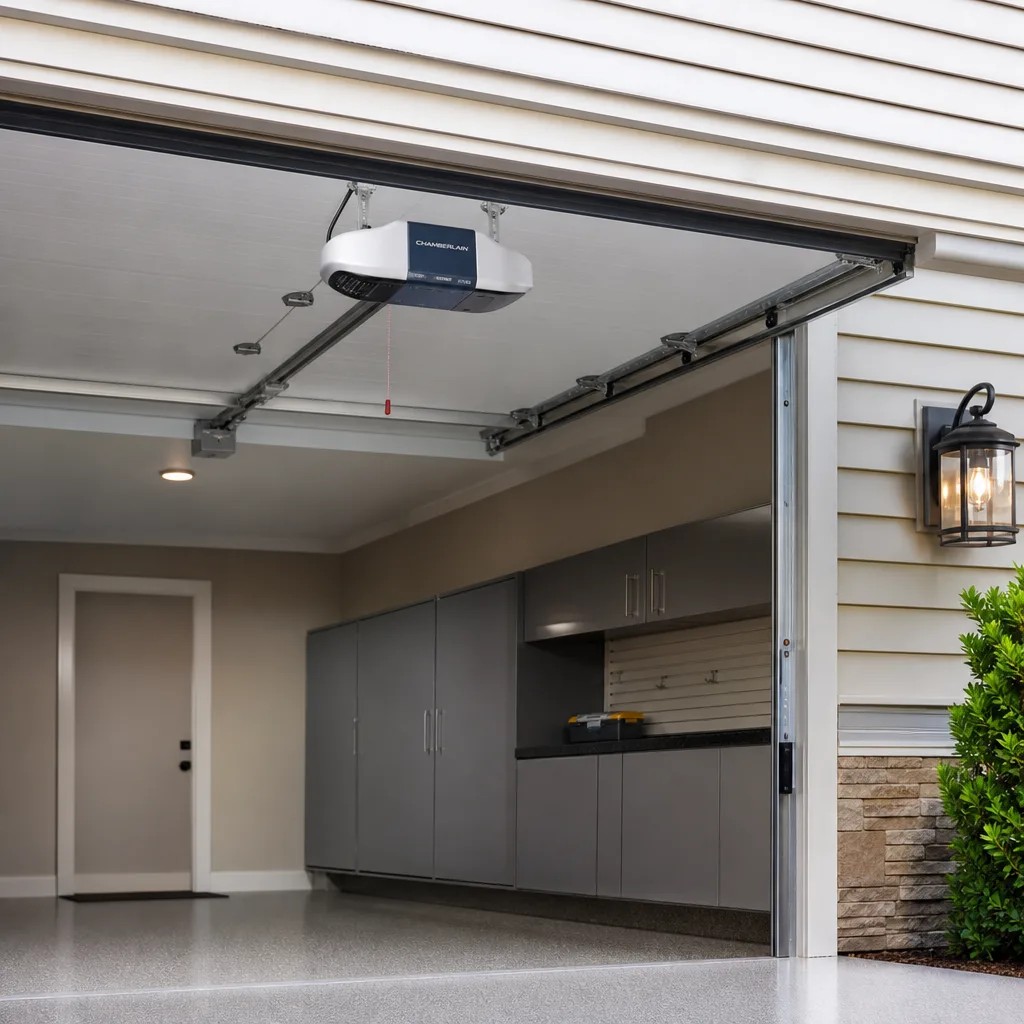 Chamberlain openers
Full 25-point door and opener safety check with every visit - springs, cables, rollers, tracks, and your LiftMaster or Chamberlain opener included
You get a price before we start. It does not change when the truck arrives.
Get your free estimateDIY vs Professional Garage Door: The Marietta Homeowner’s Decision Guide
Every year in Marietta, a homeowner opens YouTube, watches a 12-minute torsion spring tutorial, and decides to save $200 by doing it themselves. Some of them pull it off. Others end up in the ER with a broken forearm or worse. The surprising part isn’t that people try it. It’s that the same person who would never touch a loaded firearm or rewire a live electrical panel will happily stand on a ladder and release several hundred foot-pounds of stored mechanical energy with a couple of steel rods. This guide draws the line honestly: which garage door jobs are genuinely safe for a Marietta homeowner with basic tools, which ones aren’t, and how to decide without either fearmongering or false confidence. For more guides & resources, see our blog. By the end, you’ll know exactly what you can handle this weekend and what should stay on a professional’s truck.
Styles & brands we work with
Quick Answer
Most garage door maintenance in Marietta is safe for a homeowner to do: lubricating hinges and rollers, tightening loose bolts, cleaning and aligning photo-eyes, replacing weather stripping, and programming remotes. The jobs that genuinely require a professional are torsion spring replacement, cable replacement under tension, track repair involving the door’s weight-bearing path, and full door replacement requiring spring rebalancing. The dividing line isn’t complexity. It’s stored energy. If a component is under tension and its failure releases that energy suddenly, that’s a professional job.
Table of Contents
- The Real Difference: Stored Energy vs. Simple Parts
- 8 Garage Door Tasks That Are Genuinely DIY-Safe in Marietta
- Why Torsion Springs Are Categorically Different
- The Real Cost of DIY: Labor, Parts, and What Warranty Means
- The Hidden DIY Risk That Isn’t Injury: Improper Spring Calibration
- Marietta-Specific Factors: Climate, Codes, and Older Homes
- What to Tell a Contractor After a DIY Attempt
- Common Mistakes to Avoid
- When to Call a Professional
- Frequently Asked Questions
- The Bottom Line
The Real Difference: Stored Energy vs. Simple Parts
Most garage door tutorials online treat every component the same way, as if replacing a roller and replacing a spring are just two points on a difficulty spectrum. They’re not. They’re different categories of risk. A roller is a static part. It sits in a track and spins. If you remove it wrong, the worst outcome is usually a dropped door, and a door that drops from the fully open position can absolutely hurt. But a torsion spring is something else entirely. It’s a wound coil of steel sitting above your door, storing the energy needed to lift several hundred pounds. We’ve worked on Marietta doors where that single spring was holding back more force than a small motorcycle crash. That’s not an exaggeration for effect. A standard residential torsion spring under normal tension stores between 150 and 400 foot-pounds of energy depending on the door weight and spring size. Released suddenly, that’s enough to break bones or worse.
The practical framework we use, both in our own Garage Door Repair in Marietta work and when a homeowner asks us whether something is safe to try, is simple. Ask yourself two questions. First, is this part under mechanical tension or compression? Second, if I get this wrong, does the failure mode involve that stored energy releasing all at once? If both answers are yes, that’s a professional job. Weather stripping? No tension. A hinge? No tension. A torsion spring? Tension, and the failure mode is catastrophic release. That’s the whole framework. It’s not about skill level or how handy you are. It’s about what the component does when you make a mistake.
8 Garage Door Tasks That Are Genuinely DIY-Safe in Marietta
We’re not here to tell you that every garage door job needs a truck roll. That would be dishonest and, frankly, patronizing. Plenty of maintenance work is well within reach for a Marietta homeowner with a socket set, a step ladder, and an hour on a Saturday. Here’s the list of tasks we tell homeowners they can handle themselves, with the caveat that you should always disconnect the automatic opener before doing anything that puts your hands near moving parts.
- Lubricating hinges, rollers, and the opener rail. Use a silicone-based spray or white lithium grease, not WD-40. WD-40 is a solvent that cleans but doesn’t lubricate long-term. Apply to hinge pivot points and the steel rollers if you have them. Nylon rollers don’t need much. Do this every six months and you’ll extend the life of the whole system.
- Tightening loose hardware. Over years, the bolts and nuts holding brackets, tracks, and the opener to the ceiling work loose from vibration. A wrench and 20 minutes fixes most of it. Don’t overtighten track bolts; you want them snug, not stripped.
- Realigning photo-eye sensors. The eyes near the bottom of each door track are safety sensors. If they’re knocked out of alignment, the door won’t close. Usually you’ll see one light blinking. Loosen the wing nut, adjust the sensor so the beam hits the other one, and tighten. This is one of the most common service calls we get in Marietta, and half the time it’s a 2-minute fix.
- Replacing weather stripping. The rubber seal along the bottom and the vinyl strips along the sides degrade in Georgia heat within a few years. You can pull the old strip out of the retainer channel, slide in a new one, and cut it to length. It’s cheap, safe, and keeps out bugs and humidity.
- Programming or reprogramming remotes. Most openers from LiftMaster, Chamberlain, and Genie have a learn button on the unit. Press it, press the remote button, done. If the remote is old and failing, a universal remote from the hardware store usually pairs in under two minutes.
- Cleaning and checking rollers. You can visually inspect rollers for wear. If a steel roller’s bearings are shot, it’ll wobble and chatter. Replacing a roller is more involved because the bottom roller is under cable tension, but the top rollers on a properly supported door can sometimes be swapped. If you’re unsure, this is a good one to call about.
- Washing the door panels. Copper algae and mildew build up on north-facing doors in Marietta’s humid summers. A car-wash soap, a soft brush, and a garden hose handle it. Avoid pressure washers on steel doors; they can strip paint and damage the panel finish.
- Testing the auto-reverse safety feature. Every opener made after 1993 must reverse when it hits an obstruction while closing. Place a 2×4 flat on the ground under the door path and close the door. It should reverse within two seconds of contacting the wood. If it doesn’t, that’s a safety issue worth addressing immediately, and depending on the cause, it may need a professional.
One note specific to our area: Marietta sits at about 1,100 feet of elevation with heavy pollen in spring and high humidity most of the year. Pollen gets into the tracks and grit sticks to the lubricant. If your door is creaking or moving sluggishly in March or April, it’s probably not a mechanical failure. It’s pine pollen in the moving parts. A quick clean and re-lube usually solves it.
Why Torsion Springs Are Categorically Different
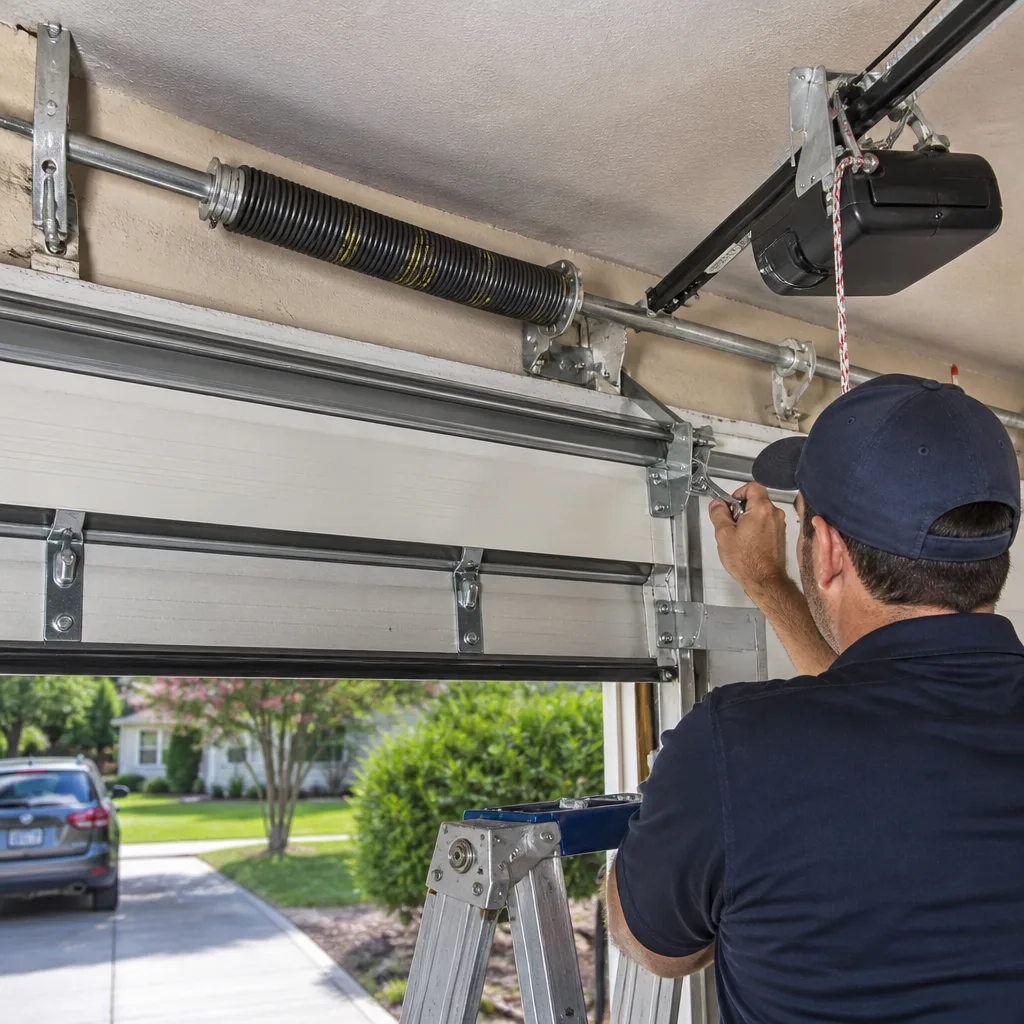
Let’s talk plainly about the component that causes the most injuries and the most confusion: the torsion spring. This is the heavy coil mounted horizontally on a shaft above the door opening. Its job is to counterbalance the door’s weight so a small opener motor or a single person can lift a 150 to 300 pound door with minimal effort. When the door is down, the spring is wound tight. When the door is up, it’s still wound, just less. There is no position in which a properly functioning torsion spring is “safe” in the way a replacement roller is safe. It is always under load.
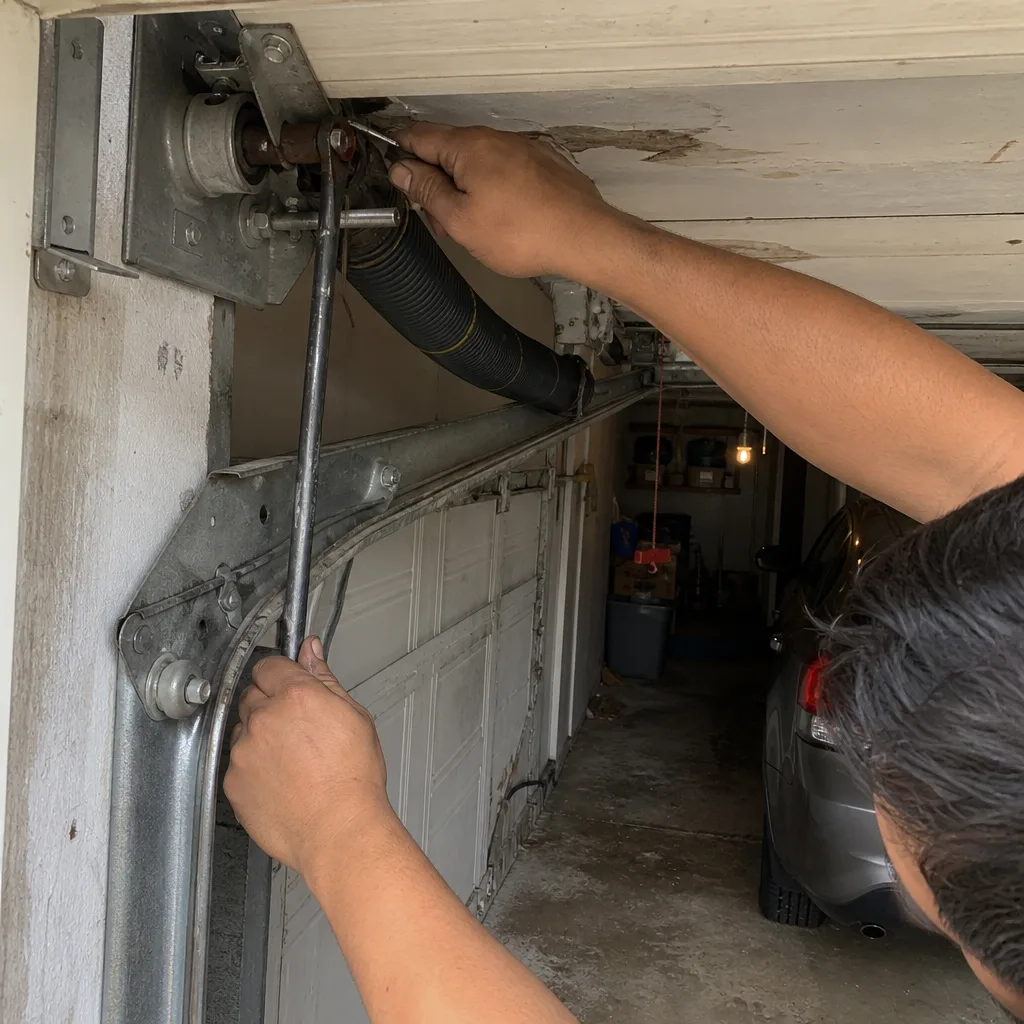
Replacing one requires winding bars, two specific-sized steel rods that insert into the spring’s winding cone. You use them to add or remove tension by turning the cone quarter-turn by quarter-turn. The technique is unforgiving. If a bar slips out mid-wind, the cone snaps back with all the stored force behind it. If you’re holding the bar at the time, the bar becomes a projectile or your hand is taken through the arc. If you’re on a ladder when it happens, you’re coming off the ladder. None of these are worst-case hypotheticals. They happen to confident, capable people who simply haven’t been trained on the specific failure points. We have replaced springs in Marietta homes where a previous DIY attempt sheared the set screws and left the spring unwound on the shaft. The homeowner walked away from it, which is the best possible outcome of a bad situation, but the door was now a dead-lift hazard for the entire family until the spring was properly replaced.
The bottom line is this: torsion spring replacement is not a difficulty ten on a difficulty ten scale. It’s a different category. It’s the one garage door repair where the tool used to do the job is also the thing that can hurt you if the job goes wrong. If you’re still weighing it after reading this, call a professional. The financial savings aren’t worth the risk profile. Our Garage Door Spring Repair in Marietta service replaces most springs same-day for $150 to $280 parts and labor, and you get a written guarantee with it.
The Real Cost of DIY: Labor, Parts, and What Warranty Means
The economic argument for DIY garage door repair usually goes like this: the part costs $50 online, the professional charges $250, so I’m saving $200. That math works if your labor is worth nothing and everything goes right the first time. But let’s run the honest version for a Marietta homeowner.
Say you need a new torsion spring. You find one online for $55 with shipping. You also need two winding bars at $20. If you don’t already own them, that’s a $75 outlay before you consider your time. Installing a torsion spring as a first-timer takes most people four to six hours including research, trying it, backing off, re-watching the video, and second-guessing every quarter turn. If your time is worth even $25 an hour, which is conservative for most Marietta professionals, that’s $100 to $150 in your own labor. You’re now at $175 to $225 for a job you’ve never done before, with no guarantee on the result and no recourse if the spring is wound too hot or too cold.
Now look at the professional number. A torsion spring replacement in Marietta runs roughly $150 to $280 including the part, labor, and a written guarantee. The professional has done it hundreds of times. They’ve seen what a spring with too much or too little tension does to a door over the next year. And critically, the warranty means something. At Bramwell Garage Doors Marietta, every spring replacement includes our 365-Day Done Right Promise. If that repair fails within a year, we come back and fix it at no charge. That commitment is in writing, and it has value the moment you’re standing in the garage asking whether that new creak is normal.
The financial case for DIY really only holds on the tasks we listed earlier: lubrication, tightening, weather stripping, photo-eye realignment. Those are things where the part is cheap, the labor is minimal, and the consequence of getting it wrong is annoyance, not injury or cascading mechanical damage.
The Hidden DIY Risk That Isn’t Injury: Improper Spring Calibration
When people think about the dangers of DIY garage door work, they think about broken bones. That’s the visible risk. But there’s a quieter failure mode that costs Marietta homeowners real money months after the YouTube tutorial is forgotten: incorrect spring tension calibration. When a torsion spring is wound too tight or too loose, the door doesn’t open and close the way it should. It might stay slightly open when told to close, or sag when told to stay up, or slam at the bottom because the springs aren’t holding enough of the load. What happens next is slow, invisible, and expensive.
A door with improperly calibrated springs asks the opener motor to do more work than it was designed for. On an opener from LiftMaster or Chamberlain, that means the motor runs hotter, the gear wears faster, and the travel limits get knocked out of alignment because the door’s behavior changes. Cables wear unevenly. Drums that guide the lifting cables score and groove. The bearings in the rollers take side-load they weren’t meant to take. The worst part is that none of this shows up for months. You install a spring in March, and in August the opener starts grinding, or a cable snaps, or the door starts hanging crooked. The repair you do to fix the opener or the cable is a separate bill from the spring work you thought you’d saved money on. In our experience, a noticeable share of Garage Door Installation in Marietta estimates that turn into bigger jobs start with a spring that was never balanced correctly, whether from a prior owner, a handyman, or a DIY attempt. The spring is the root cause. Everything else is a symptom.
This is also why the “I’ll just do it myself and call someone if it goes wrong” plan has a hidden flaw. By the time you know it went wrong, the damage has already spread. The spring is the foundation. Get it right and the rest of the system runs for years. Get it wrong and you’re paying for the spring anyway, plus whatever wore out in the meantime.
Marietta-Specific Factors: Climate, Codes, and Older Homes
Marietta’s climate does specific things to garage doors that a generic YouTube video won’t account for. We work on doors in the historic neighborhoods near the Square, in newer construction off Whitlock Avenue, and in the subdivisions that stretch out toward Kennesaw and Powder Springs. The common thread across all of them is humidity and heat cycling. Steel panels expand slightly in August heat and contract in January cold. If a door was installed with no allowance for that movement, you hear popping sounds when it opens or closes in the morning. Wood doors in older Marietta homes absorb moisture in summer and can warp enough to bind in the tracks. These are local realities that a generic troubleshooting guide doesn’t mention because it’s written for a national audience.
Code compliance is another piece. Cobb County adopts the Georgia State Amendments to the International Residential Code, and newer construction in Marietta must meet the requirement that garage doors between a garage and living space be equipped with a self-closing device. Older homes are grandfathered, meaning a pre-1990s Marietta house might have a garage door without the safety features a new installation requires. If you’re replacing a full door, the permitted work has to meet current standards. A homeowner doing a door swap in their Marietta garage without pulling permits and meeting the current wind-load and safety requirements is taking on a liability that a licensed company absorbs as a matter of routine.
We also see neighborhood-specific patterns. Houses in East Cobb and along the Atlanta Road corridor tend to have larger two-car doors with higher cycle counts because homeowners use the garage as the primary entrance. Doors in older Marietta neighborhoods like Whitlock Heights or the streets around Laurel Park frequently have odd sizes from the 1960s and 1970s that standard big-box door kits don’t fit. That’s a practical consideration: if your door opening isn’t a standard 16×7 or 9×7, the “just buy a kit” DIY route turns into custom fabrication pretty quickly.
What to Tell a Contractor After a DIY Attempt
Here’s a scenario we see regularly in Marietta: a homeowner starts a repair, realizes halfway through that they’re in over their head, and calls a professional. Sometimes they’re upfront about it. Sometimes they’re embarrassed and say less than they should. We want to address that second response directly because it matters for your safety and for the quality of the repair.
Every honest contractor should thank you for telling them what you attempted and how far you got. Here’s what we need to know. First, exactly what you touched: which spring, which cable, which bolts. Second, whether anything slipped, snapped, or released while you were working. Third, whether the door has been opened or closed since the attempt, and what it did when it moved. Fourth, what tools you used, particularly if winding bars came into play. Each of these details tells us something about the current state of the system. A professional who has done this work for years can look at a door and see, for example, that a set screw was loosened and re-tightened, which changes the torque situation. But we can’t see everything, and what we can’t see is where your hands were when things were at their most tense.
A contractor who refuses to work on a homeowner-touched door is a red flag, by the way. That’s not a standard in the industry. It’s not a sign of careful conservatism. It’s usually a sign that the contractor doesn’t want to take responsibility for diagnosing secondary damage or doesn’t carry the experience to assess a system that’s been partially disassembled. The professional standard is to listen, assess, quote the full repair including any correction needed from the prior attempt, and do the work. A garage door isn’t a patient who won’t disclose their history. It’s a mechanical system, and everything that happened to it is knowable if you look. We simply need to know what to look for.
Common Mistakes to Avoid
- Using WD-40 on hinges and rollers. It cleans and evaporates; it doesn’t provide lasting lubrication. You’ll be back to squeaking within two weeks, and the dry metal will be wearing faster than before. Use a silicone spray or white lithium grease made for garage door components.
- Replacing a spring with the wrong size because it was cheaper online. Springs are rated by wire gauge, inside diameter, length, and wind direction. A spring that’s “close” from an online marketplace might fit physically but provide the wrong lifting force. You’ll feel it in the door’s behavior within days.
- Reusing old cables when installing new springs. Cables and springs wear together. If a spring broke, the cables saw a shock load. Put new cables on with new springs. The parts are cheap compared to the damage a snapped cable causes.
- Working with the opener plugged in. Even if you’re only tightening bolts, disconnect the opener and, if you can, pull the manual release so the door can’t activate while your hands are in the mechanism. This seems obvious until it isn’t.
- Ignoring a door that’s become hard to open manually. In Marietta’s humidity, a door that suddenly requires more effort to lift is usually telling you a spring is losing tension or a hinge is seizing. Waiting until it fails means paying for the failure as well as the original issue.
- Assuming every garage door company is the same. Marietta has excellent contractors and some that will quote one price over the phone and another when they arrive. Our standard at Bramwell Garage Doors Marietta is a written price before any work starts, on every job, without exception. Ask any contractor you call whether they’ll commit to that in writing.
- DIYing a door replacement on a non-standard opening. Marietta homes built before about 1980 often have garage openings that are not the standard 16×7 or 9×7 sizes from the big-box store. Measure first. A custom order is a different project than a swap.
When to Call a Professional
The honest list is short. Call a professional when a torsion spring or extension spring has broken or is visibly cracked. Call when cables show fraying, especially near the bottom brackets. Call when the door is off-track enough that it’s jamming under its own weight. Call when the photo-eyes won’t align after you’ve tried the basic adjustments and the door still refuses to close. Call when the opener motor runs but the door doesn’t move, because that usually means a gear or sprocket inside the opener unit has failed and the repair involves opening a motor housing. And call when you’ve attempted a DIY fix, realized it’s beyond you, and want the whole system inspected for secondary damage before it becomes a bigger bill. Bramwell Garage Doors Marietta offers free estimates in Marietta and the surrounding area. Call (912) 520-4208 and a live person will answer. We’ll give you a real arrival window, a written price before any work starts, and a written guarantee on the repair. The Kingswell standard means every job gets the same four commitments: written price, real arrival window, clean job site, and a written guarantee.
Frequently Asked Questions
Most garage door repairs in Marietta run between $150 and $400 depending on what’s failed. A typical torsion spring replacement runs $150 to $280 parts and labor. A broken cable is usually $120 to $200. A full opener replacement can run $350 to $700 installed depending on the model and features. The price you’re quoted should be the price you pay if the company follows the Kingswell standard we follow: written price before work starts, on every job, without exception. Call (912) 520-4208 for an exact quote on your specific door and situation. The estimate is free.
No, not safely. Torsion springs are under several hundred foot-pounds of tension even when the door is down, and the winding process requires specific tools and techniques that are unforgiving of mistakes. A slip with a winding bar can cause serious injury. This is the one garage door repair where the risk-to-person is high enough that no amount of YouTube preparation closes the gap. Hire a professional for this one. If you’re in Marietta, our spring replacements come with the 365-Day Done Right Promise in writing.
You can lubricate hinges and rollers with silicone spray, tighten loose bolts and brackets, realign photo-eye sensors, replace weather stripping, program a new remote, and wash the door panels. These jobs require no special tools beyond a wrench set and a step ladder, and the failure mode from a mistake is cosmetic or annoying rather than dangerous.
Look for three things in writing: a written price before work starts, a real arrival window with a commitment to keep it, and a written guarantee covering the repair. At Bramwell Garage Doors Marietta, those three are part of the Kingswell standard our company has operated under since 2001. Our technicians are background-checked and uniformed, and every job leaves with a written guarantee. If a covered repair fails inside the guarantee period, we come back and fix it at no charge.
It depends on the door’s age and condition. A well-maintained steel door from the 1990s can often be kept running with spring, cable, and opener replacements for far less than a full replacement. But if the panels are bent, rusted through, or the door is sagging structurally, replacement is the better long-term play. The team at Bramwell Garage Doors Marietta services all major brands including LiftMaster, Chamberlain, Genie, and Clopay, so we can usually repair what you have rather than pushing a replacement you don’t need.
Yes. A live person answers the phone at Bramwell Garage Doors Marietta 24 hours a day, 7 days a week, including nights, weekends, and holidays. We’ll schedule a time with a real arrival window and send a background-checked, uniformed technician to your home in Marietta. The estimate is free, and you’ll get a written price before any work starts. Call (912) 520-4208.
The Bottom Line
The DIY versus professional decision for garage doors in Marietta comes down to stored energy. If the component is under tension, hire a professional. If it’s a static part you can see and touch without entering the tension path, most homeowners can handle it with basic tools. The money math only favors DIY on the small jobs: lubrication, tightening, sensors, weather stripping. On springs and cables, the professional’s price includes a written guarantee and the assurance that the system is balanced correctly, not just assembled. Marietta homeowners who’ve been burned by no-shows, price changes at the door, or repairs that failed in six weeks should know there’s a standard for how this work ought to be done. Written price before work starts. Real arrival window. Clean job site. A guarantee in writing. That’s the Kingswell way, and it’s how we’ve operated in Marietta since 2001.
Written by Marcus Ellery, Owner at Bramwell Garage Doors Marietta, serving Marietta since 2001.
See the difference
 Before
 After
After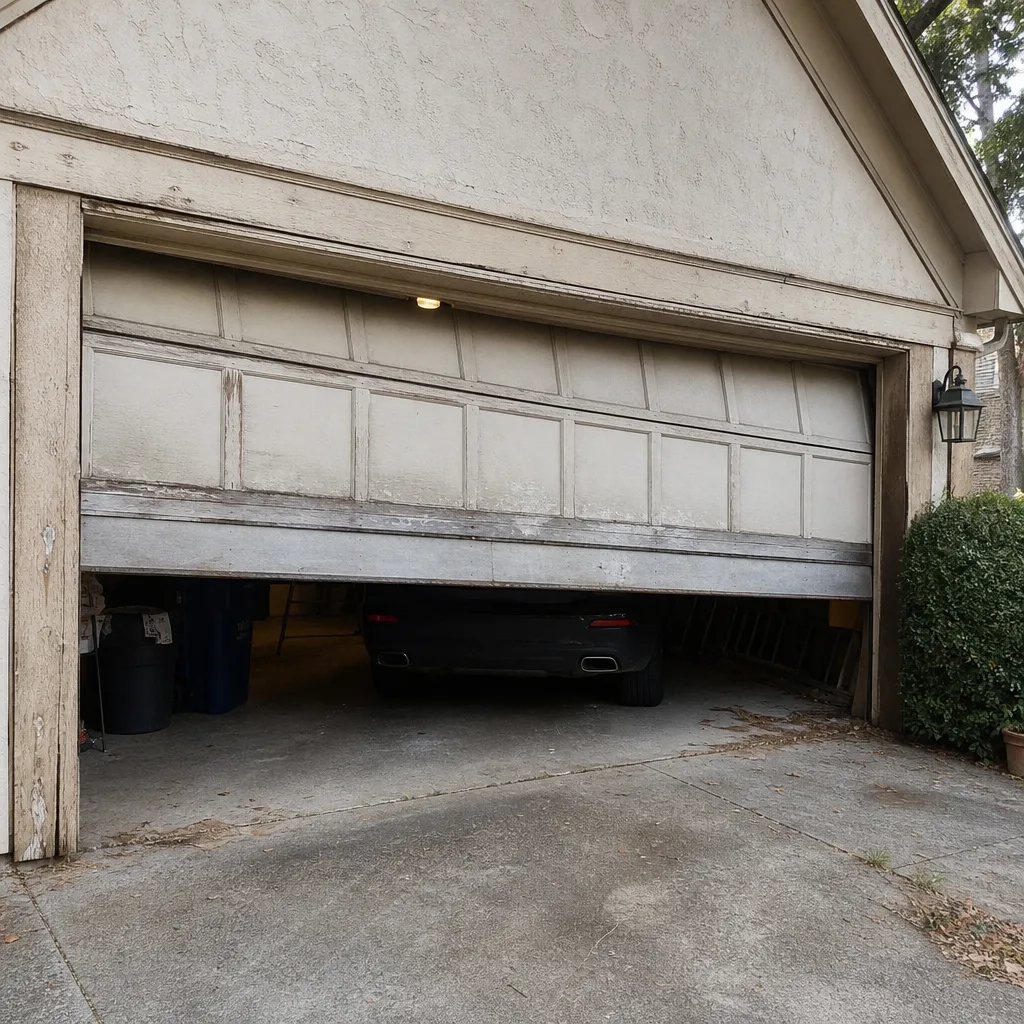 Before
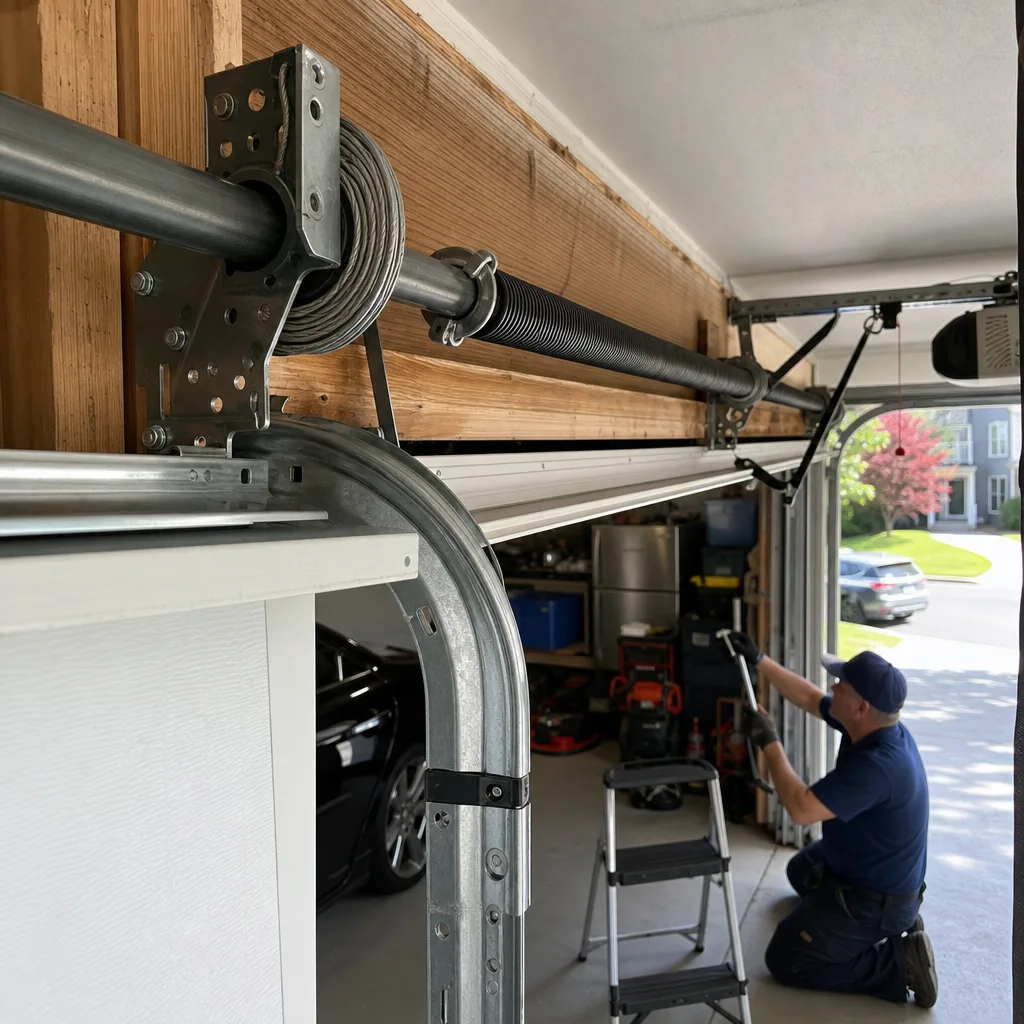 After
After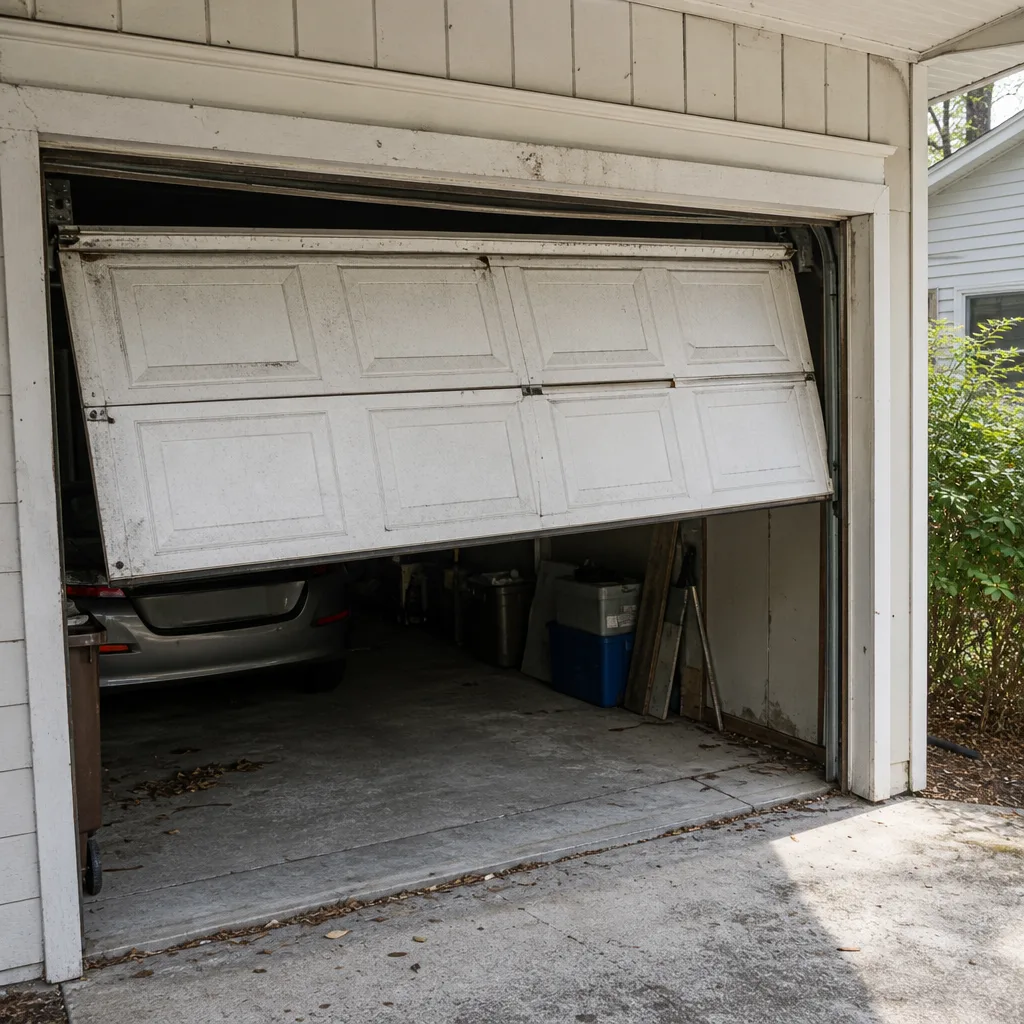 Before
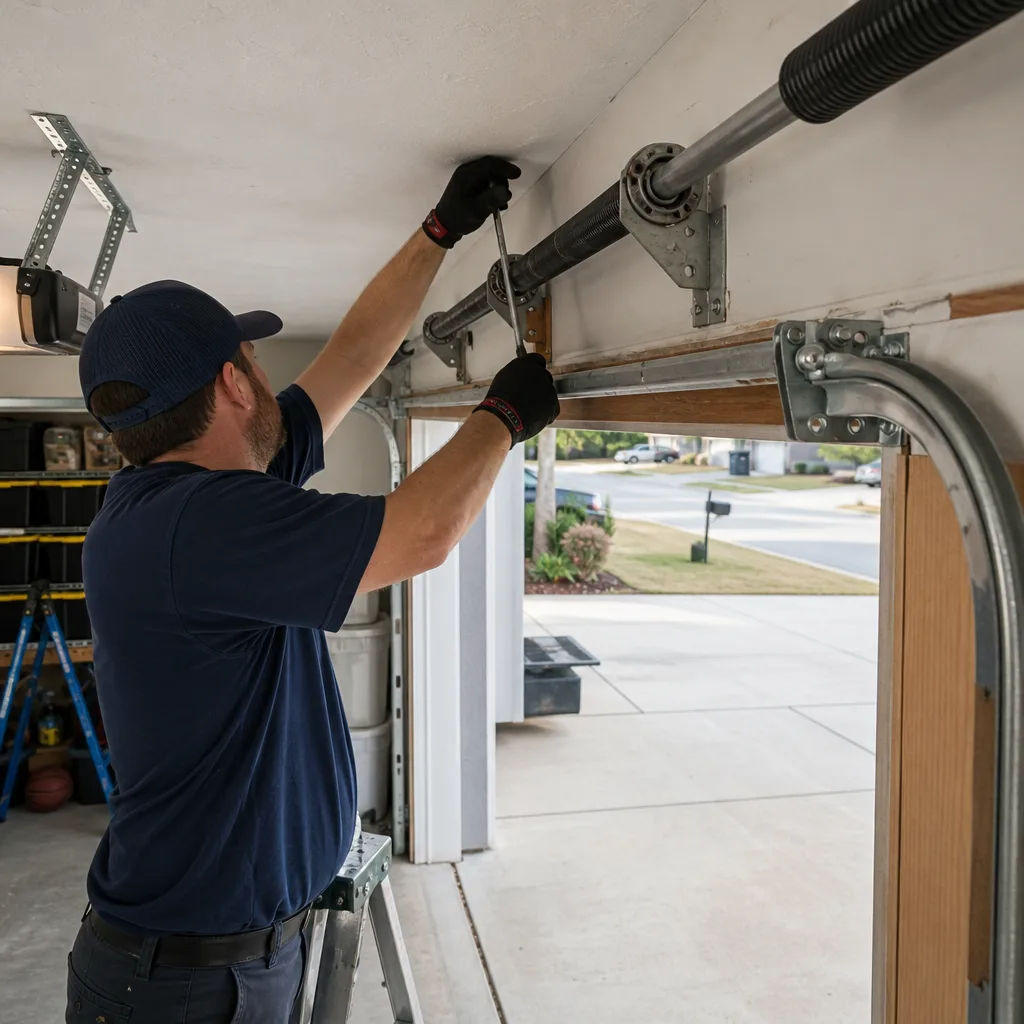 After
After